

 Gas fireplace service
 Sweep & inspection
 Caps & crowns
 Flue relining
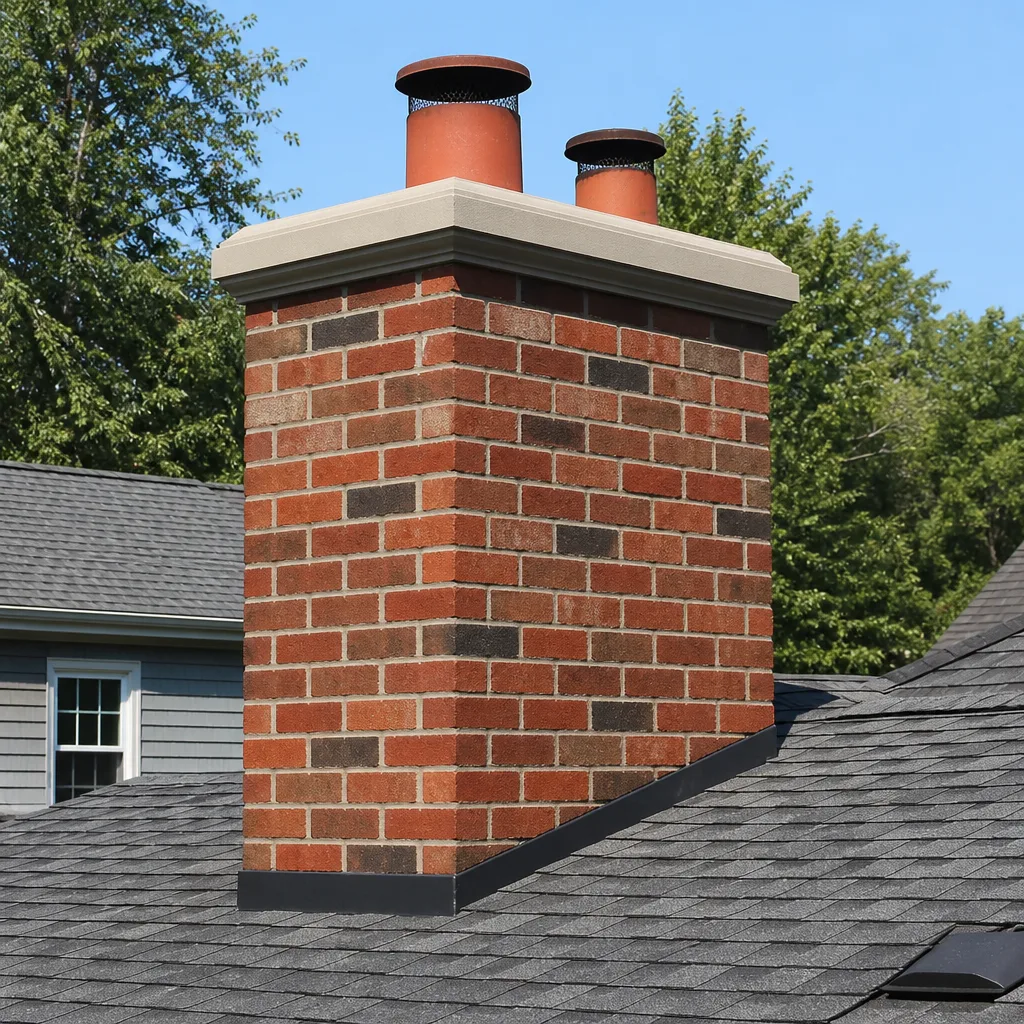 Masonry repair
Level 1 sweep and inspection to the NFPA 211 annual standard - flue, crown, cap, and flashing checked and photographed
Chimney sweep logs do not sweep chimneys. They loosen some creosote - which then falls where a brush and vacuum still have to collect it.
Why Silver Lake Homeowners Choose HeatShield Chimney Cleaning
HeatShield chimney cleaning in Silver Lake is a specialized resurfacing and restoration service we perform as an independent contractor, not a factory-authorized dealer. We work with HeatShield’s Cerfractory Flue Sealant and Resurfacing System because it’s engineered to rebuild the interior of a damaged masonry flue, and our crews understand the product’s cure times, adhesion requirements, and failure points from hundreds of local applications. If you own a home in Silver Lake with an original clay-tile or unlined flue and you’ve been told it needs a liner, HeatShield is often the answer that avoids a full tear-out. Call (866) 538-0809. We answer 24/7. Fast dispatch from 7am to 7pm, Sunday through Friday.
Why Trust Chimney Sweep Silver Lake for Your HeatShield Chimney Cleaning?
HeatShield is not a product you can apply correctly by reading a label. The ceramic material has a specific cure window, and it bonds differently depending on the condition of the masonry substrate, the ambient temperature, and how thoroughly the flue was cleaned before application. Our techs have applied HeatShield Cerfractory Flue Sealant, the Resurfacing System, and CeCure in Silver Lake homes ranging from 1920s Spanish Colonials to mid-century bungalows, and we’ve seen what works and what doesn’t. The difference between a coating that lasts two decades and one that blisters in two seasons is almost always substrate preparation. That’s the step we never shortcut.
Earl Crawford, our owner, grew up in Silver Lake and spent over a decade in the heating and ventilation trade before starting this company in 2013. He’s the one who set the rule we still follow: if the surface isn’t clean, dry, and sound, no coating goes on it. That’s not a sales line. It’s the difference between doing the job once and doing it twice.
As an independent HeatShield service provider, we’re not tied to a corporate script. We’ll tell you plainly when HeatShield is the right fix and when it isn’t. If your flue tiles are cracked but the surrounding masonry is solid, HeatShield resurfacing usually makes sense. If the mortar joints behind the coating are crumbling, slapping on another layer of ceramic sealant is a waste of your money. We’d rather tell you that up front than find out together two years later.
Styles & brands we work with
- Sweep & inspection
- Caps & crowns
- Flue relining
- Masonry repair
- Gas fireplace service
Common HeatShield Chimney Cleaning Problems We Fix in Silver Lake
HeatShield works. But it works best when it’s applied to a properly prepared surface and maintained correctly afterward. Here are the issues we see most often in Silver Lake chimneys that have been treated with HeatShield or are candidates for it.
- Adhesion failure at the smoke chamber transition. The smoke chamber is the funnel-shaped section between the firebox and the flue. It’s also where soot and creosote accumulate most heavily because the smoke slows and swirls as it narrows. When HeatShield is applied over a soot-contaminated surface, the ceramic coating can’t bond, and it starts cracking or delaminating right at the transition. The fix is removing the failed coating, aggressively cleaning the masonry, and reapplying only after the surface is properly prepped.
- Spalling and flaking inside the firebox. CeCure, HeatShield’s firebox and flue surface sealant, can peel when it’s been exposed to repeated high-heat wood-burning cycles in undersized fireboxes. Silver Lake’s older bungalows often have fireboxes that were never designed for heavy use, so the coating takes more thermal abuse than it should. When the firebox is small and the fire is hot, the finish breaks down faster. We see this most often on rear firebox walls where heat concentrates.
- Blistering at the crown-to-flue joint. The top of the chimney is where HeatShield meets the concrete crown, and that seam is vulnerable. If the crown has hairline cracks or water is seeping in behind the coating, the ceramic layer blisters and loses its seal. In Silver Lake’s damp, cool evenings, especially during winter and spring, that moisture gets a chance to sit and do damage. Water intrusion behind HeatShield is a job we handle by repairing the crown and then restoring the coating.
- HeatShield masking deteriorated mortar joints. The coating looks sound. The flue behind it is falling apart. This happens when HeatShield was applied over masonry that wasn’t structurally stable to begin with. The ceramic shell hides the problem for a while, but the underlying mortar keeps crumbling, and eventually the flue structure weakens. A Level 2 inspection catches this early.
- Creosote buildup on a HeatShield surface. HeatShield doesn’t stop creosote from forming. It just creates a smoother, more uniform surface that’s easier to clean. But Silver Lake’s deodar cedars and eucalyptus trees drop needles and seed pods that end up in fireplaces, and those resinous materials burn hot and sticky. The creosote they produce clings to the HeatShield surface and needs mechanical removal with the right brushes and technique. We do this as part of our standard sweep on treated flues.
HeatShield Parts & Our Repair-vs-Replace Approach
For HeatShield work, we source only genuine HeatShield ceramic sealant and primer from authorized distributors. We don’t substitute generic refractory cement, because generic products cure differently, expand at different rates, and fail prematurely. The material matters. But we also don’t manage parts by throwing a new coating over a compromised base. When a HeatShield-treated flue has failed because of substrate issues, we take an honest look at whether spot repair with HeatShield is viable or whether the flue needs full relining with a product like DuraFlex. We don’t sell a second HeatShield application if the first one failed because the masonry behind it was never fixed.
That distinction is what separates a specialist from a salesman. HeatShield is excellent at sealing and resurfacing sound masonry. It’s not a structural repair product. If the flue itself has shifted or the mortar beds are gone, a new liner may be the only responsible answer. Call (866) 538-0809 for an honest assessment. We answer 24/7.
Our HeatShield Service Process – Step by Step
- 1
Diagnosis. We start with a camera inspection of the flue interior. You see the footage. If HeatShield has failed, we identify exactly where and why: is it a soot contamination issue, a water intrusion path, or a structural problem behind the coating?
- 2
Surface preparation. If HeatShield spot repair or reapplication is the right move, we remove the failed material, clean the masonry thoroughly, and address any water infiltration before the new coating goes on. Skipping this step is how coatings fail twice.
- 3
Repair or resurfacing. We apply HeatShield Cerfractory Flue Sealant, the Resurfacing System, or CeCure according to the product’s cure and adhesion requirements. We watch the ambient conditions, because Silver Lake’s cooler, damper air affects cure times.
- 4
Testing. After the cure cycle, we run the system and verify the draft and the coating’s adhesion. We don’t just spray and leave. A chimney that works is a chimney that’s been tested.
- 5
Follow-up. We schedule a sweep before the next burn season if you use your fireplace regularly. HeatShield surfaces still need annual maintenance, and staying ahead of creosote keeps the ceramic intact longer.
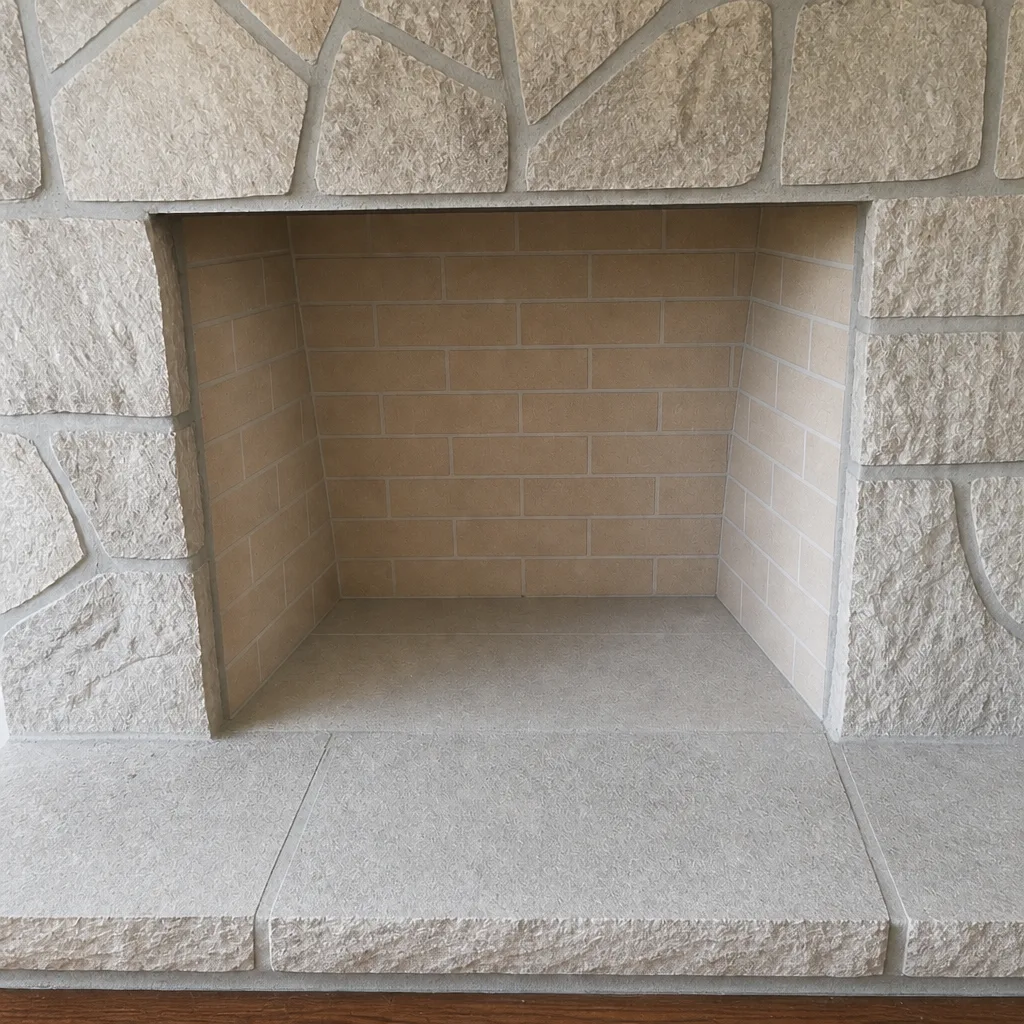
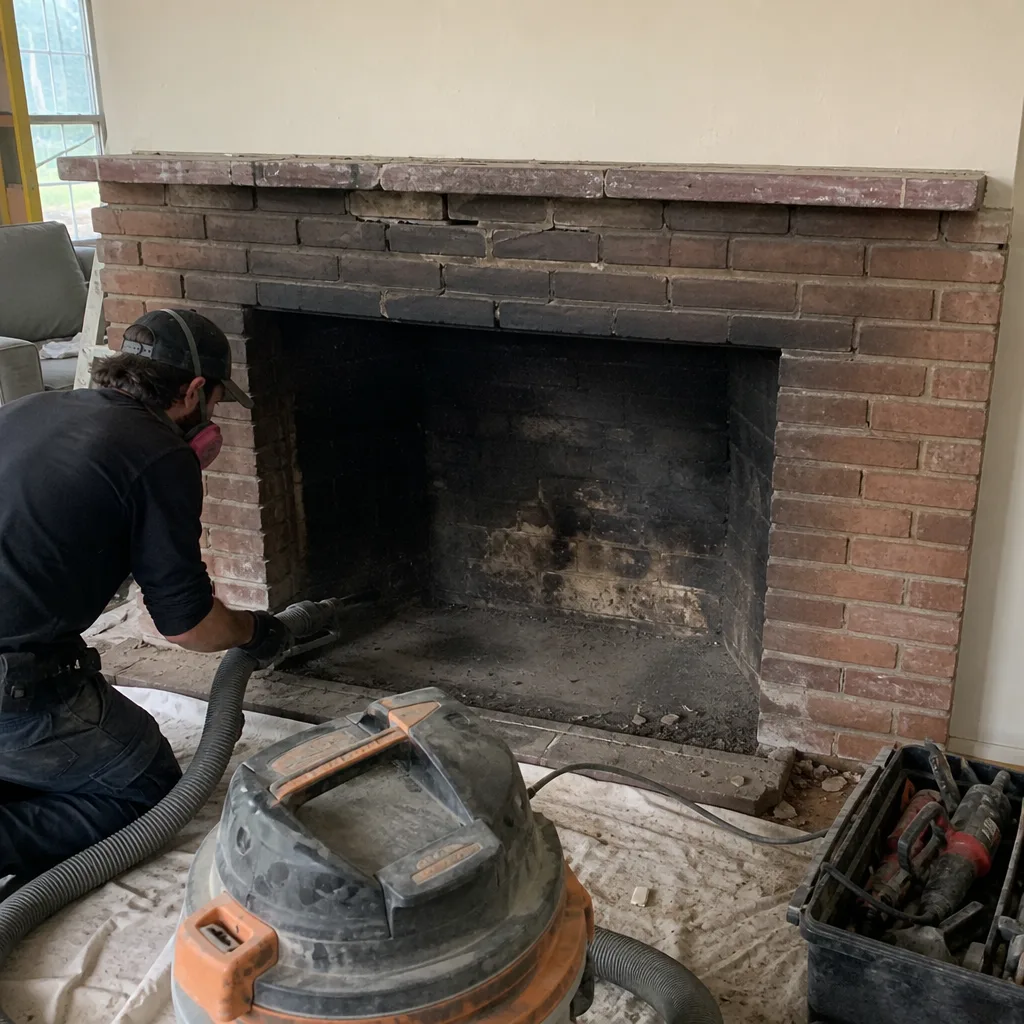
See the difference
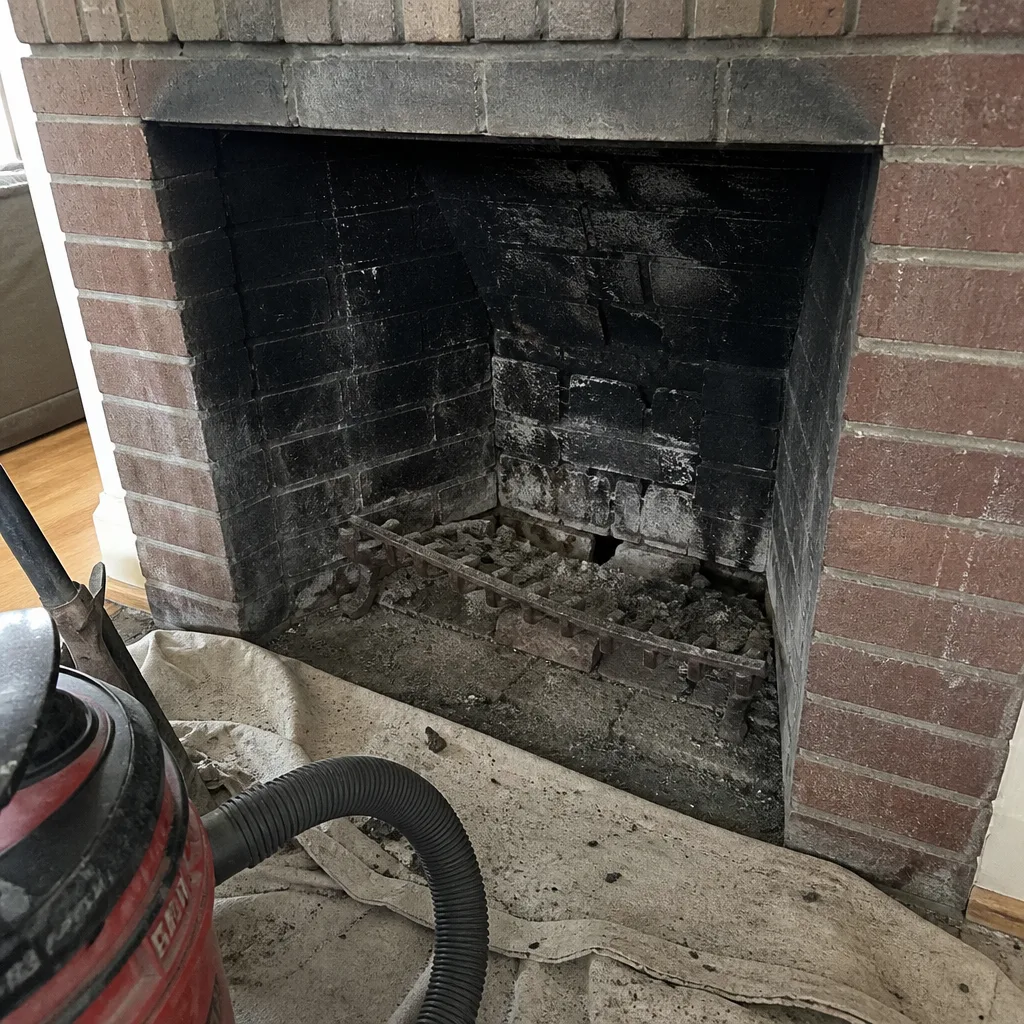 Before
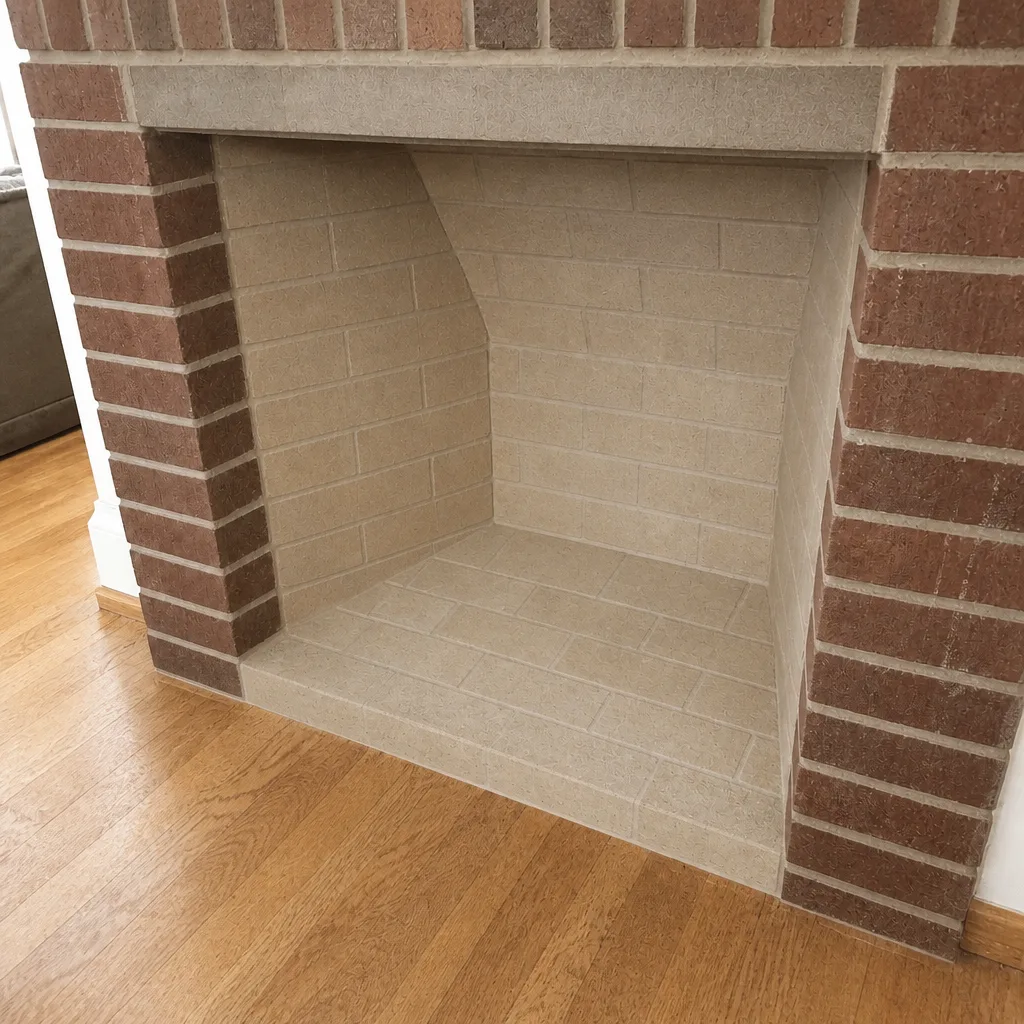 After
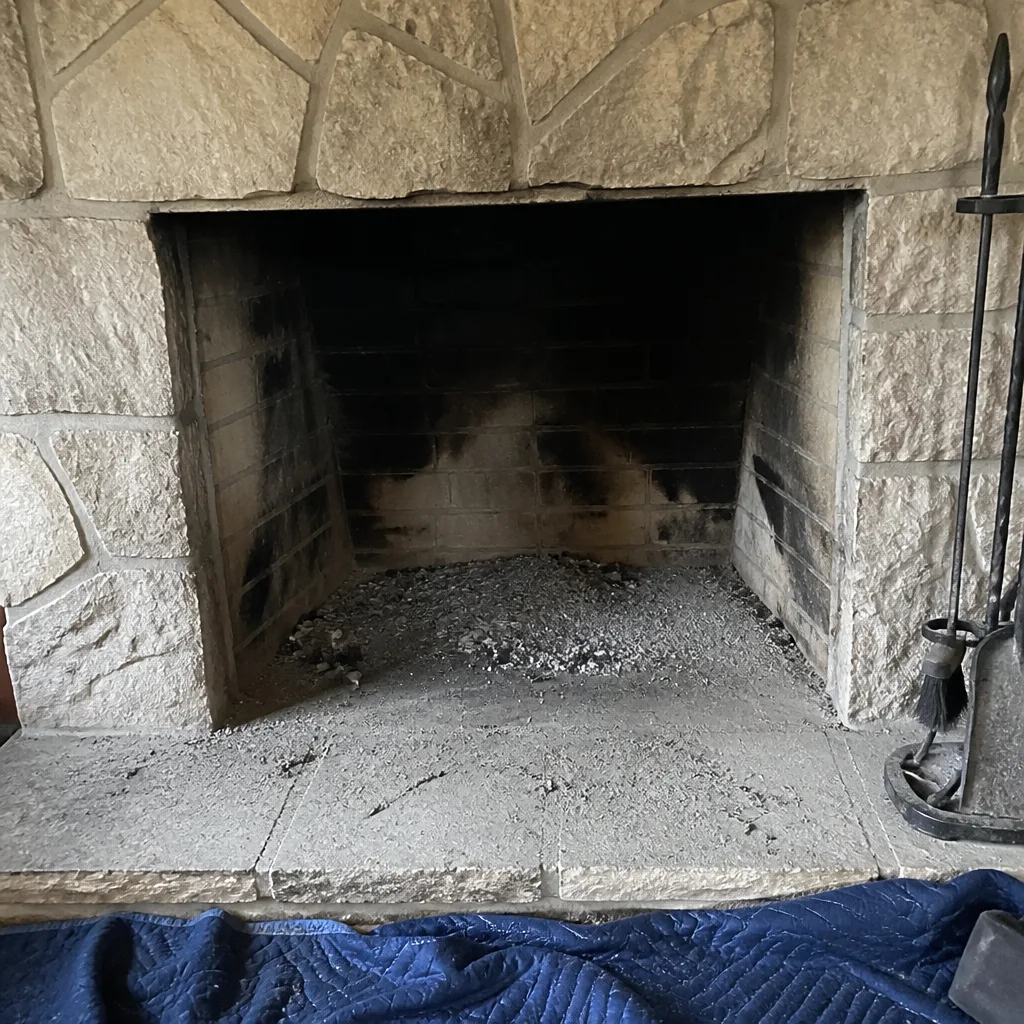 Before
 After
 Before
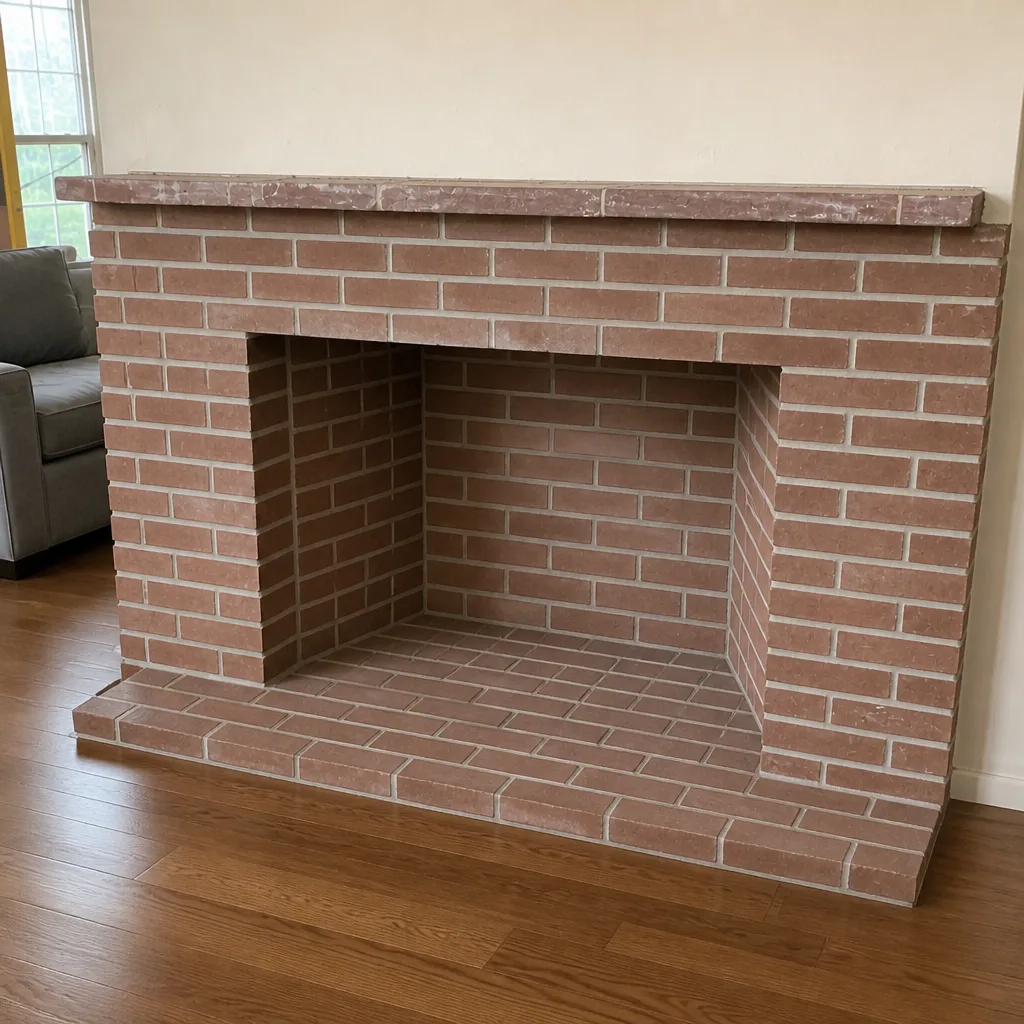 After
HeatShield Products We Service & Install in Silver Lake
We work with the HeatShield Cerfractory Flue Sealant, a cast-in-place ceramic liner system that restores the inside of a damaged masonry flue without demolition. We also install and maintain the HeatShield Resurfacing System for full flue restoration, and we apply HeatShield CeCure for sealing firebox and flue surfaces. Each product has a different use case, and we help Silver Lake homeowners choose the right one for their chimney’s age, condition, and expected use. Our focus is correct application and honest evaluation, not pushing the most expensive option.
We Also Service These Brands
HeatShield is one tool in a full chimney service operation. We also install and maintain DuraFlex stainless steel liner systems for full flue relining projects, and we use Gelco products where appropriate for masonry and crown work. That means when HeatShield isn’t the right call, we can offer a real alternative from the same crew, not a referral to another contractor.
FAQs – HeatShield Chimney Cleaning Service in Silver Lake
A failed HeatShield coating usually shows up as visible flaking or peeling around the firebox, white or chalky blistering inside the flue, or a sudden drop in draft. You may also hear a fine grit falling when you open the damper. A camera inspection confirms it. If you suspect the coating has failed, don’t keep burning. Loose ceramic material can block the flue. Call (866) 538-0809 and we’ll tell you what’s actually happening.
No. Glazed creosote is a hard, tar-like deposit that ceramic sealant cannot bond to. Any HeatShield application over glazed creosote will fail. The correct sequence is aggressive mechanical creosote removal first, followed by a surface check, and only then a decision about whether HeatShield is appropriate. If the chimney has a history of heavy creosote, we may recommend a different approach entirely.
Often, yes. HeatShield’s Cerfractory Flue Sealant is designed to seal cracked joints and create a smooth, insulated interior surface in a masonry flue. But the masonry around those tiles must be structurally sound. Silver Lake homes from the 1920s through 1940s often have original clay-tile flues, and HeatShield works well on those when the structure hasn’t shifted. We’ll inspect before we recommend it, because in some hillside lots the chimney has moved more than a coating can accommodate. Tell us what you’re seeing and we’ll tell you what it actually means.
CeCure is a ceramic sealant formulated for firebox and flue surfaces, especially areas exposed to direct flame and high heat. The flue resurfacing system is a heavier restoration layer designed to rebuild the interior of a damaged flue. CeCure is the right choice for a firebox that’s spalling or a flue surface with minor gaps. The resurfacing system is the call for larger structural resurfacing of a compromised flue. We carry both and choose based on what the chimney actually needs.
Sometimes. If your draft problem is caused by a rough, damaged, or oversized flue interior, HeatShield’s smooth ceramic surface can improve airflow. But if the draft issue is caused by chimney height, a poorly designed smoke chamber, or negative pressure in a tightly sealed old Silver Lake house, a coating won’t solve it. That’s why we inspect before we coat. A coating over a draft problem that has nothing to do with the flue surface is just money spent.
HeatShield service costs depend on what we’re doing: a standard sweep on a HeatShield-treated flue is typically in the $180 to $340 range, while full resurfacing or spot repair costs more because of the material, prep work, and cure time involved. Every job is priced by a written estimate after we see the flue. Call (866) 538-0809 for a free estimate. We answer 24/7. Fast dispatch from 7am to 7pm, Sunday through Friday.
Book Your HeatShield Service in Silver Lake, CA
If your HeatShield coating is showing wear, or you’re considering it for an older Silver Lake chimney, call us at (866) 538-0809. We answer 24/7, and fast dispatch runs from 7am to 7pm, Sunday through Friday. Earl Crawford and our crew will give you a straight assessment with camera evidence to back it up.
Written by Earl Crawford, Owner at Chimney Sweep Silver Lake, serving Silver Lake since 2013.