
Last updated November 4, 2026
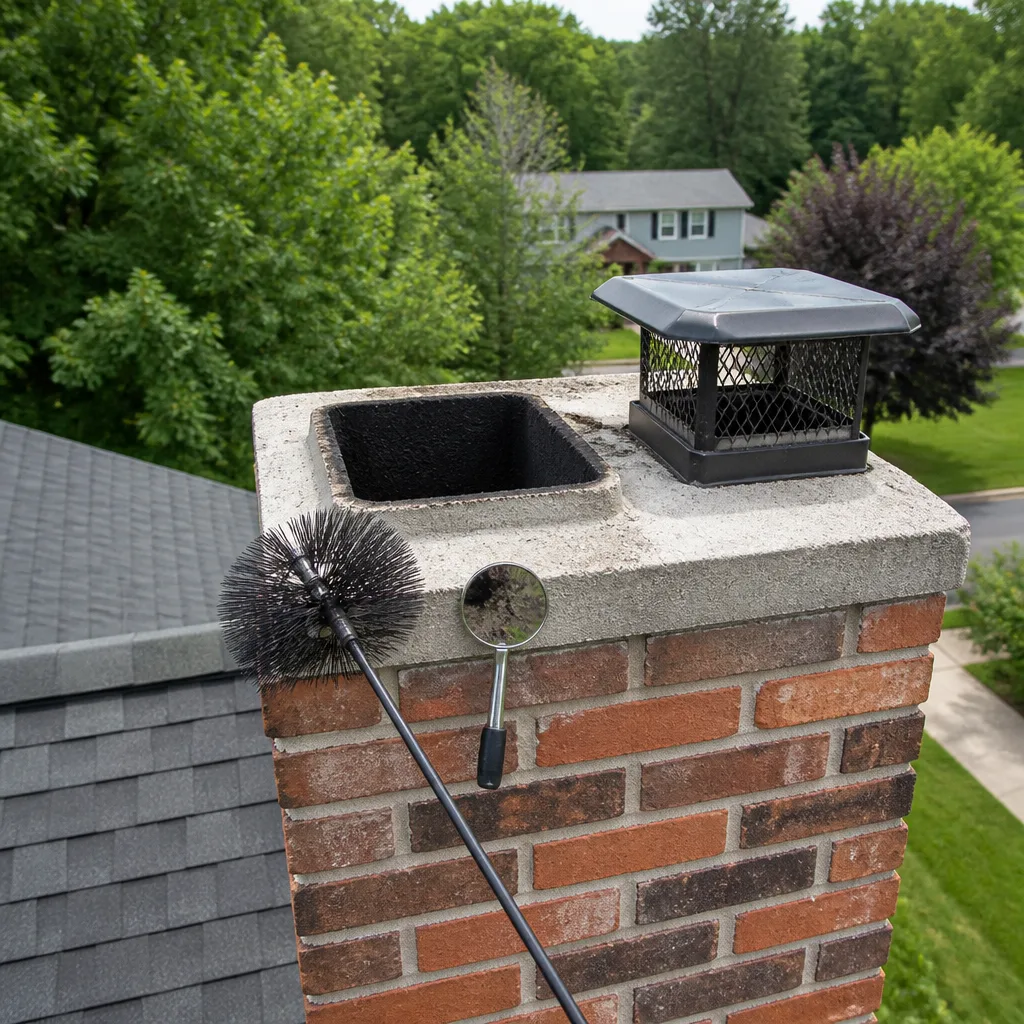 Sweep & inspection
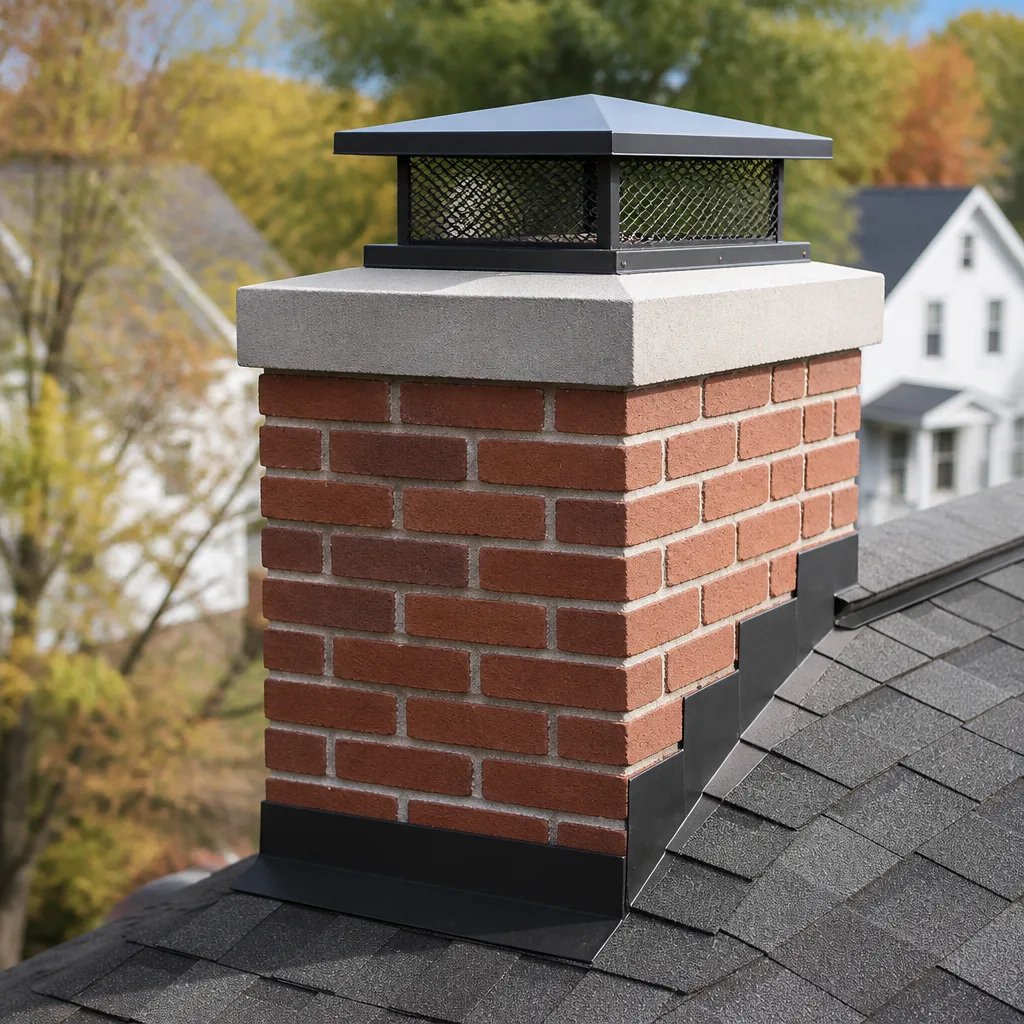 Caps & crowns
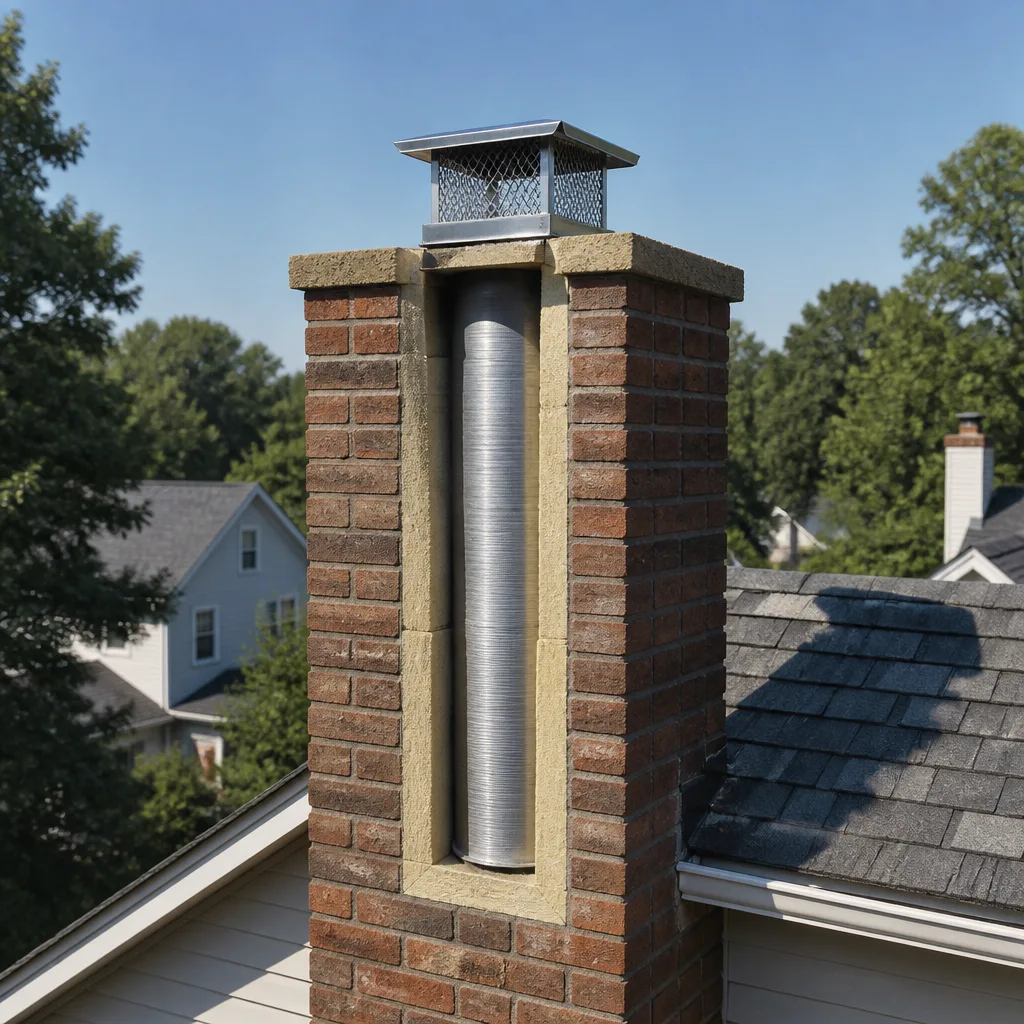 Flue relining
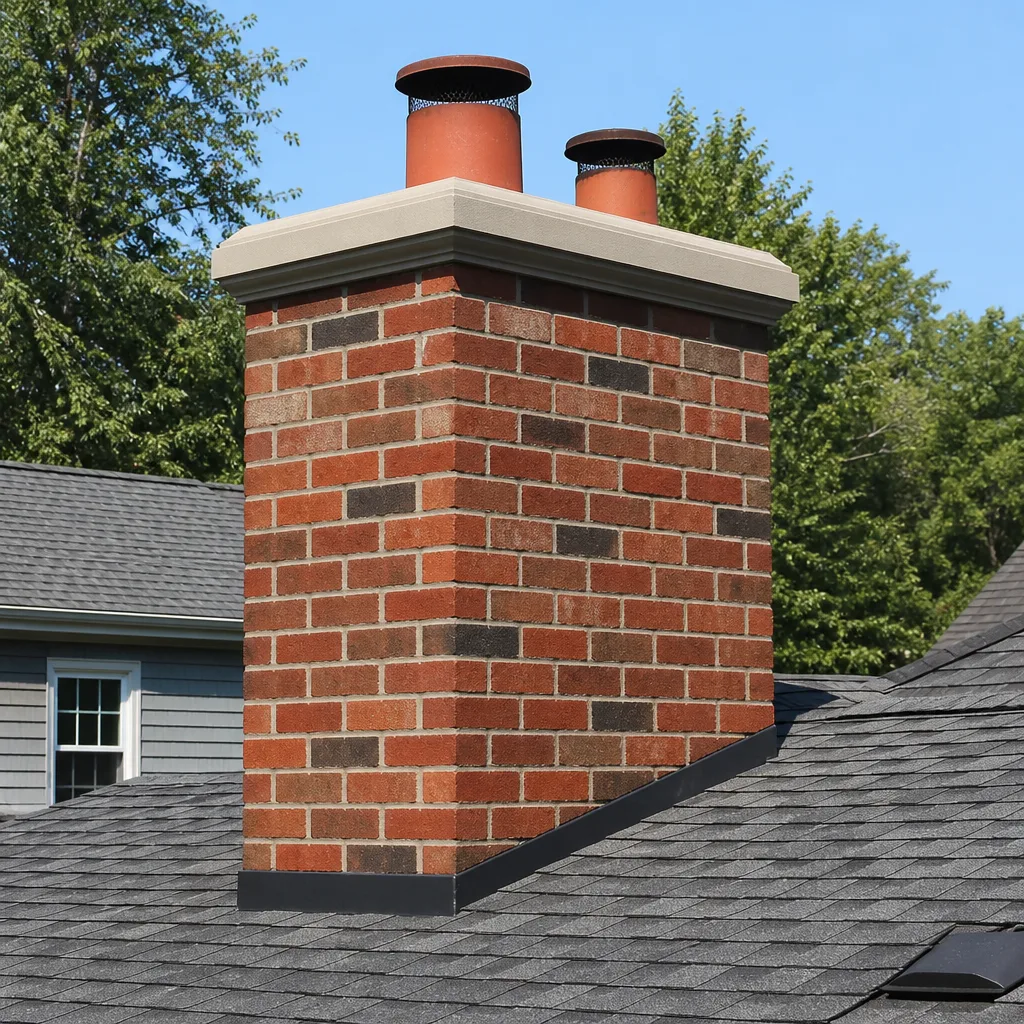 Masonry repair
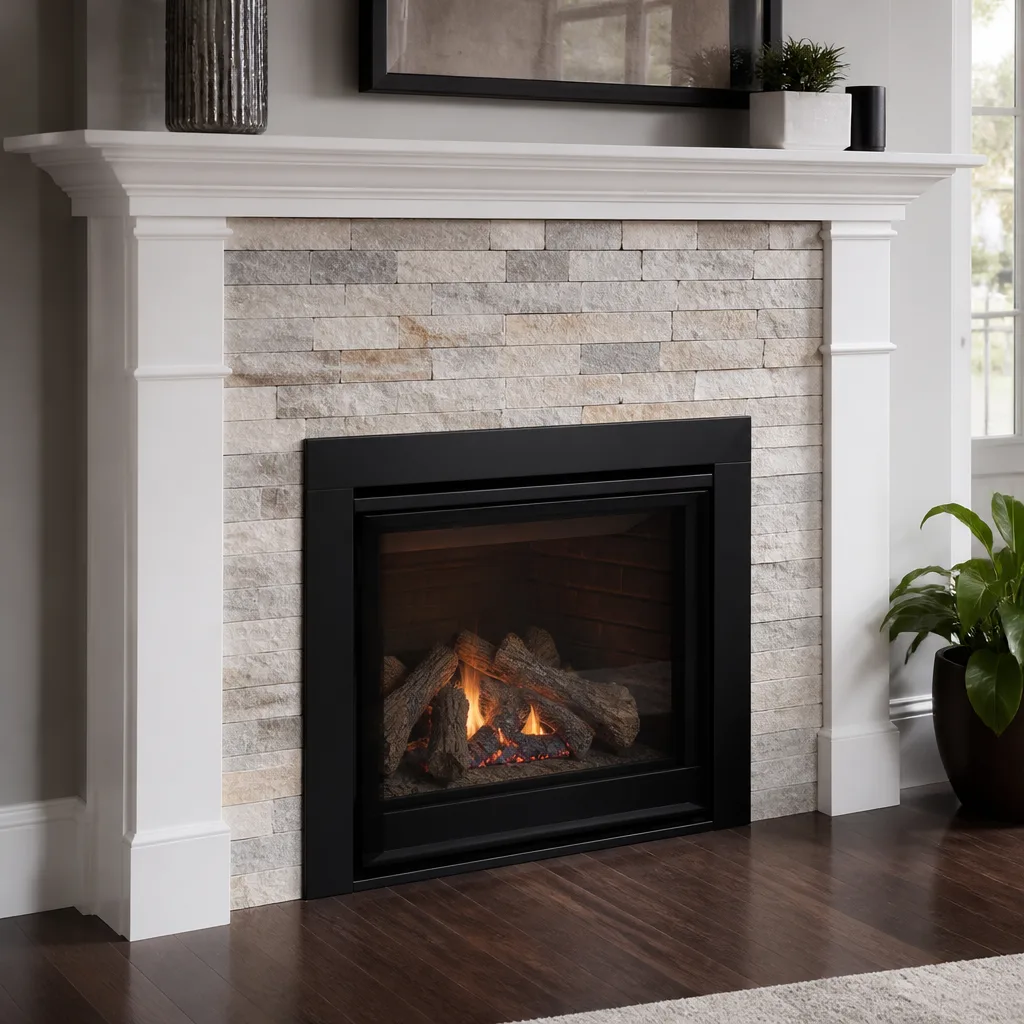 Gas fireplace service
Level 1 sweep and inspection to the NFPA 211 annual standard - flue, crown, cap, and flashing checked and photographed
Chimney sweep logs do not sweep chimneys. They loosen some creosote - which then falls where a brush and vacuum still have to collect it.
Chimney Sweep Troubleshooting in Silver Lake: Common Problems and How to Fix Them
If your fireplace smokes back into the room, nine out of ten online sources will tell you to open a window. That’s a workaround, not a diagnosis, and it won’t tell you whether you have a draft problem, a blockage, or a liner failure. Silver Lake’s hillside homes, with their tight lots and varied rooflines, have their own set of chimney behaviors that flat-land guides never address. This guide teaches you to read the actual evidence: smoke behavior, stain patterns, and sound.
Styles & brands we work with
- Sweep & inspection
- Caps & crowns
- Flue relining
- Masonry repair
- Gas fireplace service
Quick Answer
Most chimney problems in Silver Lake fall into four categories: drafting issues, creosote buildup, liner damage, and mechanical failures. You can diagnose many of them yourself by watching how smoke moves, checking for stain patterns on exterior masonry, and listening for specific sounds. But misidentifying a negative air pressure problem as a chimney blockage leads to repeat repairs and wasted money. Knowing the difference between house-tightness backdrafting and an actual flue obstruction is the single most useful skill a Silver Lake homeowner can have before calling a chimney sweep.
Table of Contents
- Negative Air Pressure vs. Actual Blockage: The Candle Test
- Reading Creosote Stages: What the Deposit Color Tells You
- Hillside Draft Problems: How Silver Lake Rooflines and Wind Change Everything
- Exterior Staining Patterns: Spotting Liner Damage Before the Camera
- Chimney Sounds Decoded: Popping, Hissing, and Animal Noise
- What You Can Safely Check Yourself (and What You Shouldn’t Touch)
- Common Mistakes to Avoid
- When to Call a Professional
- Frequently Asked Questions
- The Bottom Line
Negative Air Pressure vs. Actual Blockage: The Candle Test
Here’s a scenario we see regularly in Silver Lake: a homeowner lights a fire, smoke rolls into the living room, and they assume something is stuck in the flue. They call for a sweep, the flue gets cleaned, and the next fire still smokes. The real culprit is often negative air pressure. Modern Silver Lake homes are tighter than older construction, and when your range hood, bathroom fan, or furnace kicks on, it pulls air down the chimney instead of letting it rise. The house becomes a vacuum, and your chimney is the easiest place for air to enter.
Here’s a simple test that takes five minutes and tells you more than most forums will. Before you light a fire, open the damper fully, close all exterior doors and windows, and turn on anything that exhausts air: the dryer, a bathroom fan, the range hood. Hold a lit candle just inside the firebox opening. If the flame leans into the room, you have negative air pressure. If it leans toward the flue or stands straight, your draft is adequate and the problem is likely elsewhere. This single observation changes the entire diagnosis, and it’s one the average online guide never mentions.
- Open the damper completely and make sure no ashes are smothering the grate.
- Close every door and window in the house.
- Turn on exhaust fans, the range hood, and the clothes dryer.
- Hold a lit candle at the firebox opening and watch the flame direction.
- Lean into the room means negative air pressure. Lean toward the flue means the draft works.
If the candle points into the room, the fix might be as simple as cracking a window when you burn. But that’s a bandage. In Silver Lake, where many homes sit on hillsides with multiple levels, the pressure stack effect is stronger than in single-story houses. A real solution often involves a combustion air intake or a chimney cap designed to stabilize draft. A Chimney Sweep Silver Lake technician can evaluate whether your setup needs mechanical draft help or just a behavioral change.
Reading Creosote Stages: What the Deposit Color Tells You
Creosote is not one substance. It forms in three distinct stages, and each one tells a different story about how you burn and what your chimney needs. When a homeowner sends us photos, the first question we ask is what the deposit looks like, not how thick it is. That’s because color and texture correlate directly with the source problem.
Stage one is flaky brown or gray soot. This is normal combustion byproduct. It brushes off easily during a standard chimney sweep and means your wood is reasonably dry and your fires are hot enough. In Silver Lake, where winters are mild and many homeowners burn shorter fires, stage one creosote is the most common finding. It’s a maintenance issue, not a repair issue.
Stage two is black, granular, and baked on. It looks like coffee grounds glued to the flue wall. This forms when fires smolder at lower temperatures, often from wood that hasn’t fully seasoned or from fireplaces used with the damper half-closed. It requires mechanical removal, not just brushing. Left alone, it becomes a genuine fire risk.
Stage three is glazed, shiny, tar-like creosote. This is the stage that worries professionals. It’s dense, highly flammable, and often forms when someone burns unseasoned wood repeatedly or uses the fireplace incorrectly for extended periods. Removing it requires specialized rotary equipment, not a standard brush. If you see shiny black deposits on your damper or flue walls, stop burning and call a specialist. This is not a DIY situation, and it’s not something a handyman with a wire brush should address.
Hillside Draft Problems: How Silver Lake Rooflines and Wind Change Everything
Silver Lake is built on hills. That single fact affects chimney drafting more than most homeowners realize. When your roofline sits below the house behind you, the chimney terminates in a zone of turbulent air. Wind flows over the uphill structure, curls downward, and straights into your flue opening. The result is smoke pushing back into the house even when the chimney is completely clean and the damper is fully open.
This is a geography problem, not a construction problem. The classic candle test will often show an adequate draft on calm days. Then the wind picks up, and the fireplace behaves differently. Homeowners describe it as “intermittent smoking” or say the fireplace “only backs up sometimes.” That intermittent pattern is the signature of wind-induced downdraft, and it’s more common on Silver Lake’s hillside lots than on flat streets.
The solutions differ from what works for a blockage. A properly sized and positioned chimney cap with wind baffling can break the airflow pattern. So can extending the flue height, or in some cases reorienting the cap to account for the prevailing wind direction on that specific hillside. We’ve solved more than one Silver Lake smoking fireplace with nothing more than a cap change and a draft measurement. Before assuming you need a liner replacement or a thousand-dollar repair, rule out the wind first. It costs far less to fix.
Exterior Staining Patterns: Spotting Liner Damage Before the Camera
Before you pay for a camera inspection, walk around your chimney and look at the masonry. Liner damage leaves evidence on the outside, and knowing what to look for saves you from paying for diagnostics you don’t need. In Silver Lake’s older hillside homes, this matters because many chimneys have decades of exposure, and liners fail in predictable ways.
White efflorescence on brick or stone is a moisture signal. Water is moving through the masonry. If it appears in a vertical streak rather than a general haze, that’s often a sign that flue gases are condensing inside and pushing moisture through the chimney wall. A damaged liner lets those gases reach the masonry directly, and over time, you’ll see staining that follows the path of least resistance.
Dark, greasy-looking patches near the crown or flashing are a different story. That often indicates creosote or soot migrating through cracks in the flue liner and staining the exterior from the inside out. This is a red flag. It means the liner has failed in that specific area, and the chimney is depositing combustion byproducts into the masonry rather than venting them outside.
Rust staining at the base of the chimney, especially near the cleanout door, frequently points to a metal liner that has corroded through. The rust drips down and stains whatever it touches. If you see this, a camera inspection is warranted. In our experience, Silver Lake homeowners who catch liner damage at the staining stage spend significantly less on repairs than those who wait until the problem affects the firebox or causes smoke to back into the living area. When a liner does need replacement, we install DuraFlex systems designed to last, not off-the-shelf substitutes.
Chimney Sounds Decoded: Popping, Hissing, and Animal Noise
Chimneys make noise. Most of it is benign. Some of it deserves attention. Here’s how to map what you hear to what it means, because guessing wrong means either ignoring a problem or paying for a repair you don’t need.
Popping and crackling during a fire is almost always thermal expansion. The flue liner, masonry, or cap heats up and expands at a different rate than the surrounding material. Metal liners pop noticeably when they heat. Brick chimneys creak. These sounds are normal and fade as the chimney reaches temperature. If the popping is unusually loud or accompanied by mortar dust falling into the firebox, that’s worth a closer look.
Hissing or sizzling is different. If you hear hissing during a fire, something is wet. That could be moisture in the wood you’re burning, rain that entered through a damaged crown, or condensation inside the flue. In Silver Lake’s mild winters, condensation is less common than in colder climates, but a missing cap or cracked crown still lets water in. Hissing means water is boiling off inside your chimney, and that moisture is degrading your liner and masonry.
Scratching, fluttering, or chittering means you have guests. Birds, squirrels, and raccoons all use chimneys as nesting sites, especially in the spring and fall. The noise will be intermittent, often at dawn and dusk. A properly installed cap solves most animal entry problems, and it’s one of the simplest, most cost-effective things a Silver Lake homeowner can do. We use professional-grade caps from Gelco, Olympia Chimney, and Famco because a flimsy cap is almost worse than no cap at all. It gives a false sense of coverage while failing within a few seasons.
What You Can Safely Check Yourself (and What You Shouldn’t Touch)
There’s a line between homeowner diligence and dangerous DIY. Here’s what’s safe to inspect, and what should always be left to a trained professional with proper equipment.
Safe to Check Yourself
- The damper opens and closes fully, and the handle moves smoothly
- The firebox has no visible cracks wider than a dime
- Exterior masonry shows no obvious staining, spalling, or missing mortar joints
- The chimney cap is present and sits straight
- No animal noise or nesting material is visible from the top
- The smoke shelf isn’t piled with debris you can see from the firebox
Leave to a Professional
- Anything requiring you to get on the roof
- Creosote removal beyond a light brushing
- Liner inspection and replacement
- Masonry repair on the upper chimney structure
- Detail cleaning of the smoke chamber
- Any work involving the flashing at the roofline
Chimney work at height is genuinely dangerous. A fall from even a single-story Silver Lake roofline can be catastrophic, and roofs here are often steep. The same goes for glazed creosote removal, which requires specialized rotary equipment and creates combustible dust. We carry professional-grade materials from brands like Copperfield and Olympia Chimney because they meet standards that off-the-shelf parts don’t. That standard matters when the part in question is separating fire from your roof structure. If you’re not sure whether something is safe, call us. We’d rather answer a question than see a homeowner take an unnecessary risk.
Common Mistakes to Avoid
- Treating backdrafting as a blockage. If you don’t run the candle test, you might pay for a sweep that doesn’t fix the problem because the issue was negative air pressure all along. Knowing the difference saves money and frustration.
- Burning unseasoned wood to save money. Wet wood is the fastest way to build stage two and stage three creosote. In Silver Lake’s mild climate, firewood you buy in the fall is often still too wet to burn that winter.
- Closing the damper too soon after a fire. The coals are still producing carbon monoxide long after the flame dies. Leave the damper open until the coals are completely out.
- Using the fireplace as a primary heat source. Most Silver Lake fireplaces are built for ambience, not heat. Continuous burning without proper sweeping accelerates creosote buildup and liner wear.
- Assuming a chimney cap is optional. It’s not. A missing cap lets in rain, animals, and debris, and it’s one of the cheapest components to replace compared to the damage it prevents.
- Ignoring exterior staining. That streak on the brick is a message. Waiting until it becomes smoke in the living room means paying for a liner replacement instead of a resurfacing.
- Hiring a general contractor for chimney work. Chimney systems are specific. A handyman who “also does chimneys” doesn’t have the training to properly diagnose flue damage or install liners. This is what we do every single day.
When to Call a Professional
Call a chimney specialist when you see glazed black creosote, hear hissing during a fire, notice exterior staining that follows a vertical pattern, smell smoke when the fireplace isn’t in use, or have animals nesting in the flue. These are not maintenance issues. They indicate a structural or safety problem that needs professional equipment and trained eyes. At dryer vent cleaning time is also worth remembering: a clogged dryer vent is a slow-burning fire risk that most people never inspect until it’s too late. Chimney Sweep Silver Lake offers free estimates in Silver Lake – call (866) 538-0809. We answer 24/7. Fast dispatch from 7am to 7pm, Sunday through Friday.
Frequently Asked Questions
Run the candle test described above. A flame that leans into the room when exhaust fans are running indicates negative air pressure, not a blockage. A flame that leans toward the flue but smoke still backs up suggests an obstruction or a flue that’s too large for the appliance. If you’re unsure, call (866) 538-0809 and describe what you observed. We can usually narrow it down over the phone before scheduling anything.
The answer depends entirely on the cause, which is why an estimate requires a look at the actual chimney. A wind-induced downdraft might be solved with a cap change. A negative pressure problem might require a combustion air intake. A liner failure is a bigger job requiring a DuraFlex relining system. Free estimates mean you know the number before you commit to anything. We carry the parts and the expertise to fix what we find, not just report it.
The general guidance is once per year if you burn regularly. But Silver Lake’s mild winters mean many homeowners burn only a few times per month, and those homeowners might safely go longer between sweeps. The deciding factor is what the flue actually looks like. Annual inspection is always smart. Sweeping can be scheduled based on what we see.
You can brush light stage one soot from the firebox and lower flue, but anything beyond that belongs to a professional. Glazed creosote requires rotary tools. Roof access is dangerous. A proper sweep also includes an inspection of the liner, crown, cap, and flashing, which is the part that actually prevents problems. Doing half the job yourself and skipping the inspection doesn’t save money in the long run.
That’s the signature of wind-induced downdraft, and Silver Lake’s hillside homes are prone to it. The chimney terminates in turbulent air created by surrounding structures and terrain, and wind pushes down the flue. A properly designed cap with wind baffling usually solves it. Call us for a free estimate – the fix is often simpler than homeowners expect.
HeatShield is a resurfacing product that restores a damaged liner’s integrity without a full replacement. It’s appropriate for liners with gaps, cracks, or minor deterioration, and it’s a service we’re certified to perform. When damage is too extensive, a full DuraFlex relining system is the better call. We’ll tell you which one applies to your chimney and show you why, with camera footage you can see yourself. Nothing gets recommended without evidence, and no work gets done without your informed approval.
The Bottom Line
Silver Lake’s chimneys have their own set of failure patterns, driven by hillside wind conditions, older construction, and how homeowners actually use their fireplaces. The homeowners who get the best outcomes are the ones who read the evidence before calling: smoke direction, creosote color, exterior staining, and sound. That knowledge protects you from paying for work you don’t need and keeps small problems from becoming liner replacements. When in doubt, call a specialist. Chimney work only – this is what we do every single day.
Written by the team at Chimney Sweep Silver Lake, serving Silver Lake since 2013.
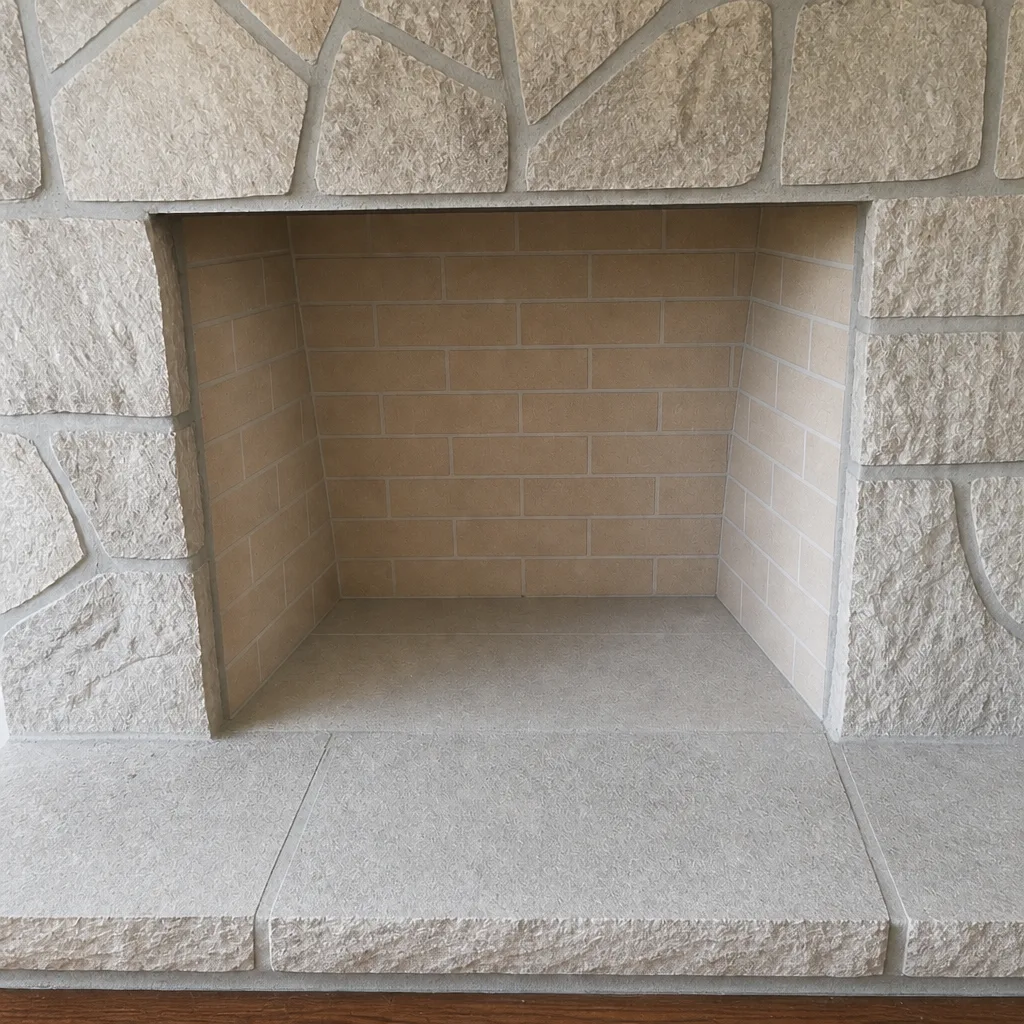
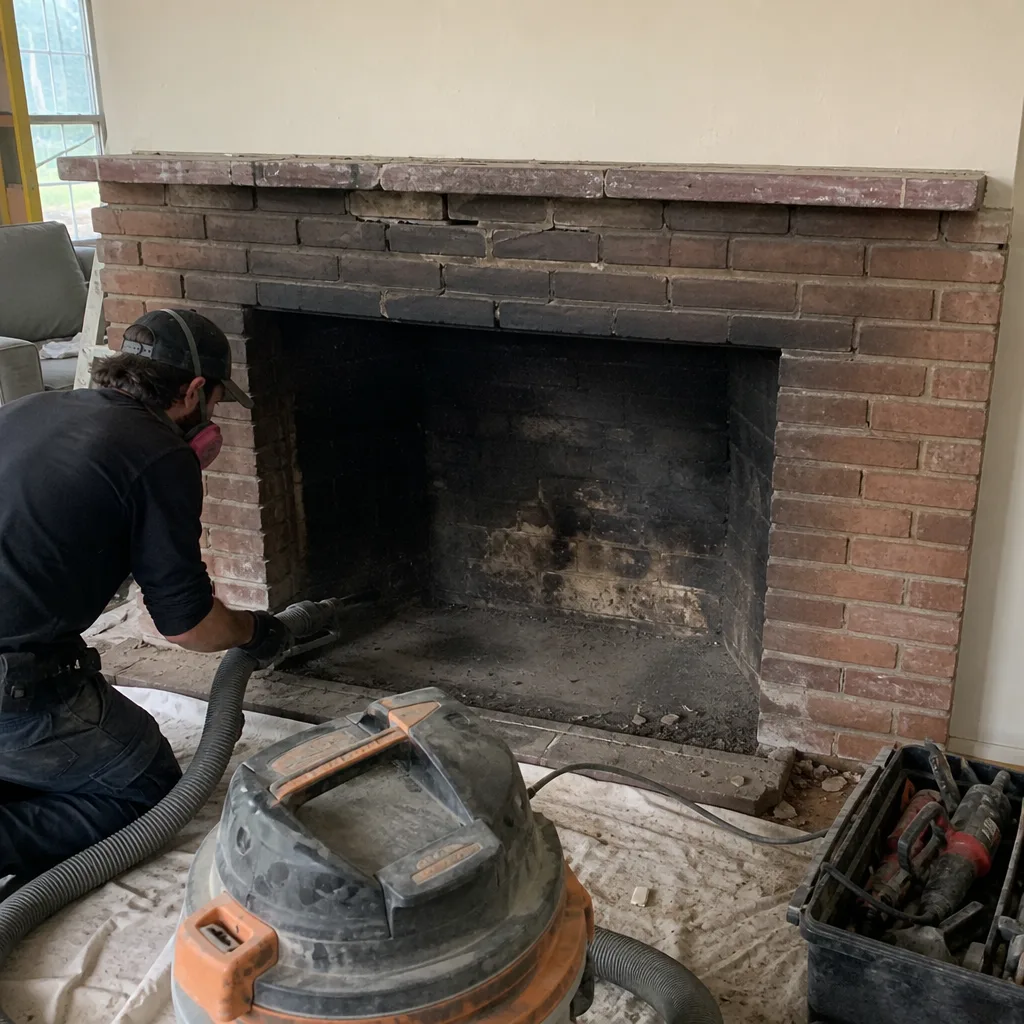
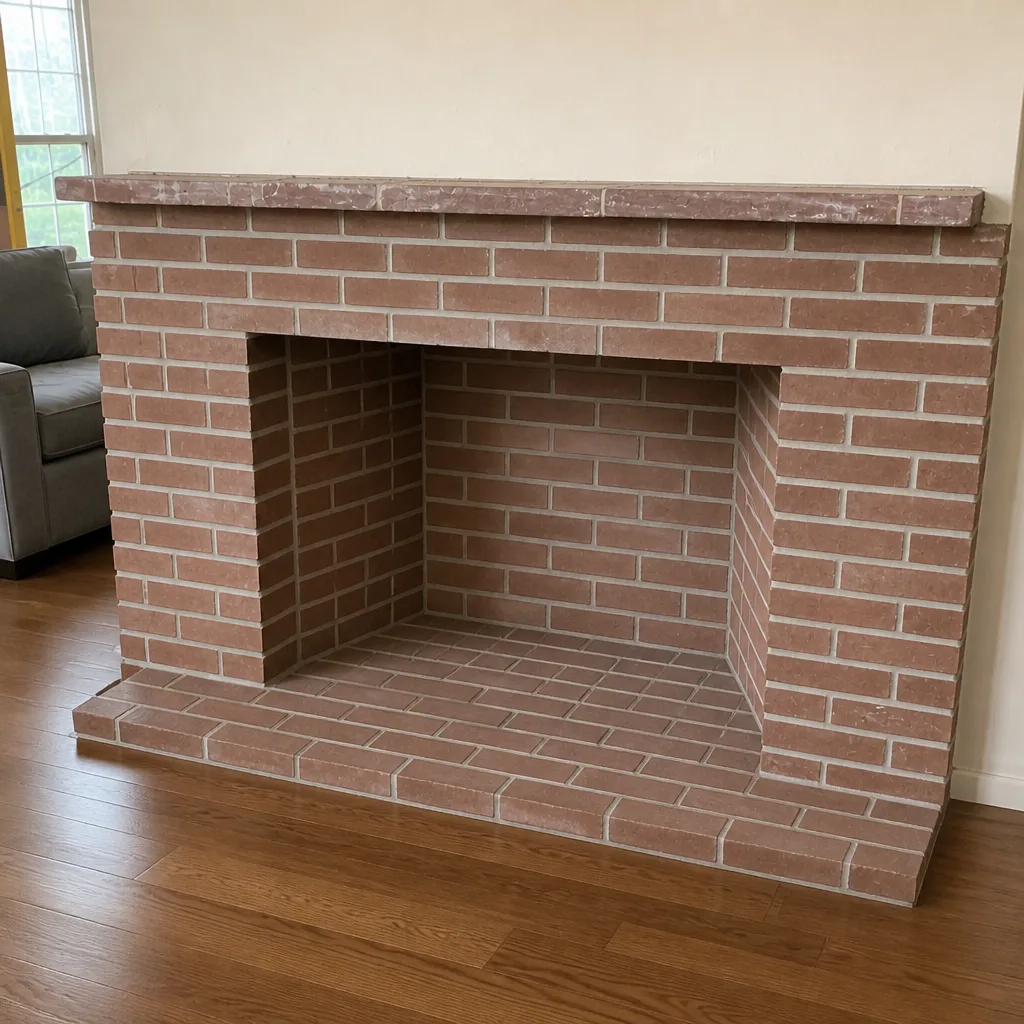
See the difference
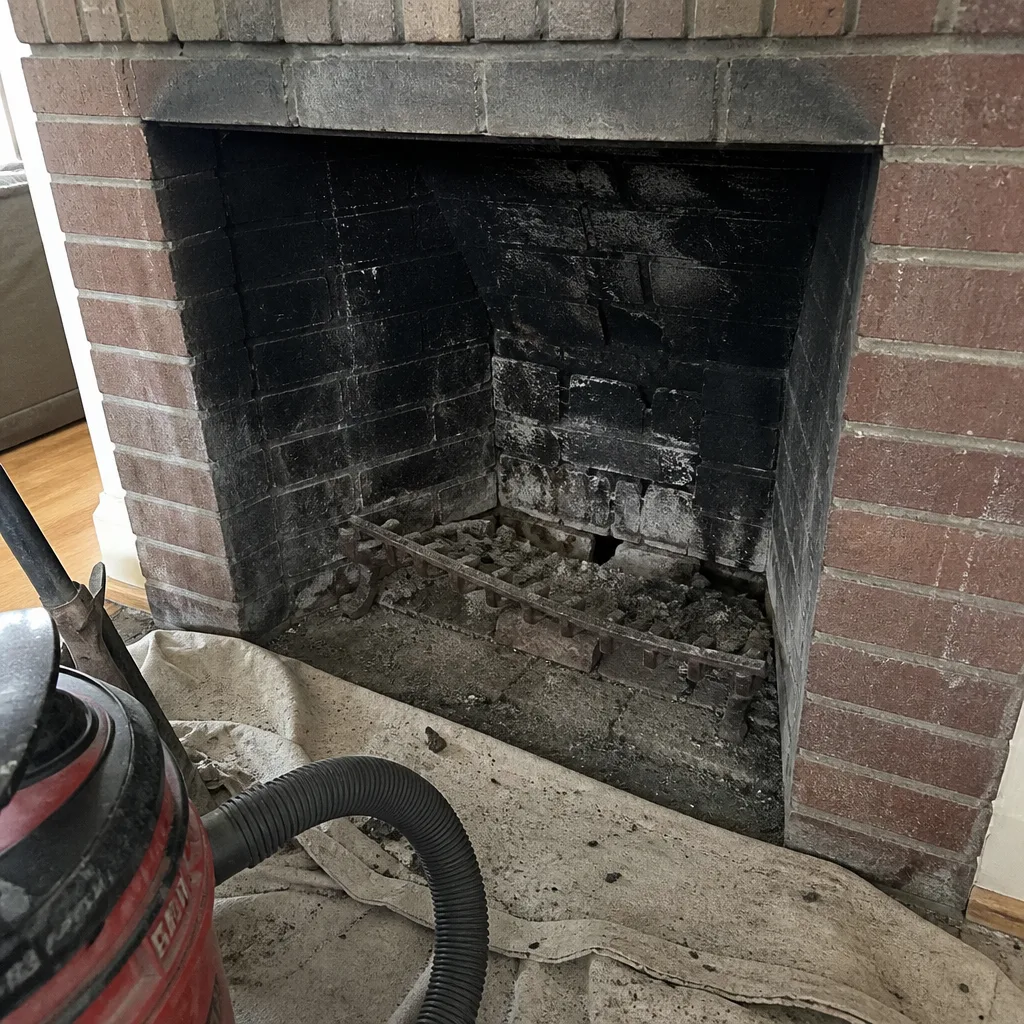 Before
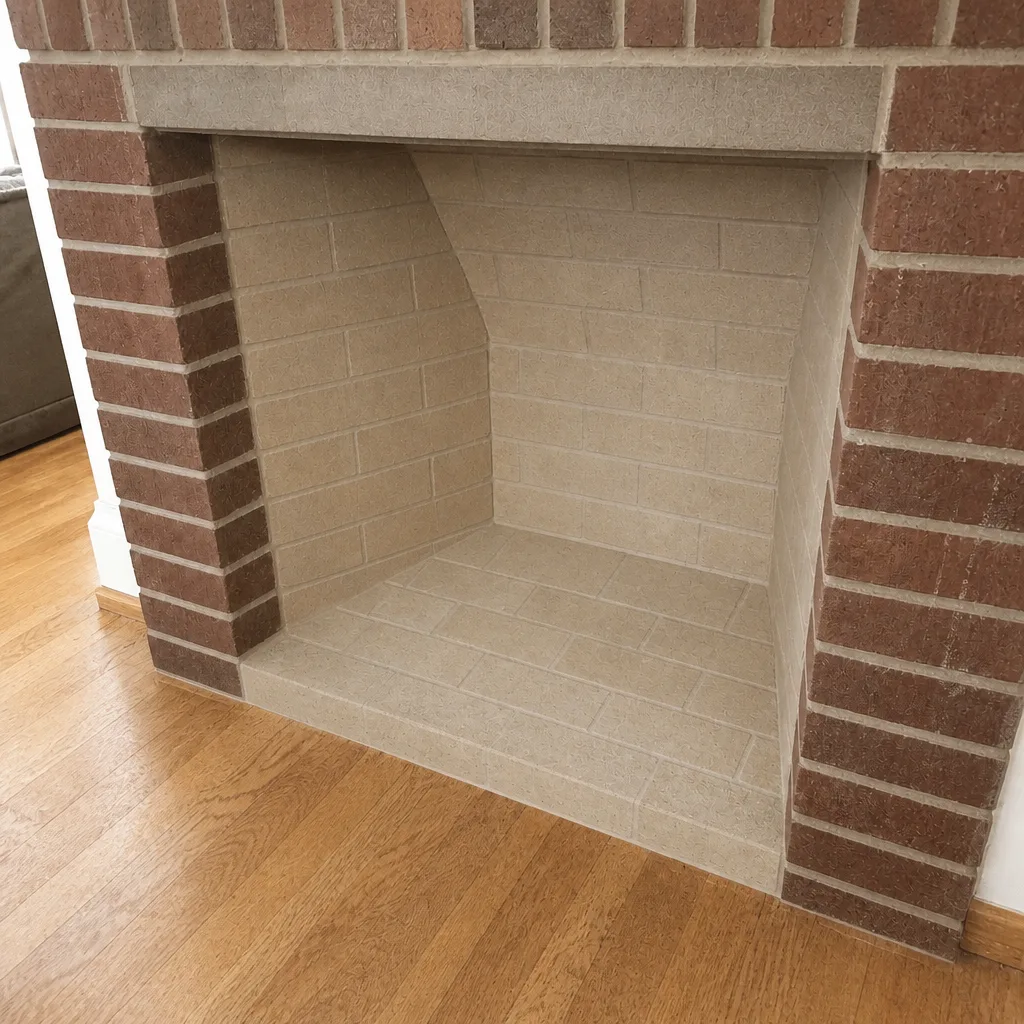 After
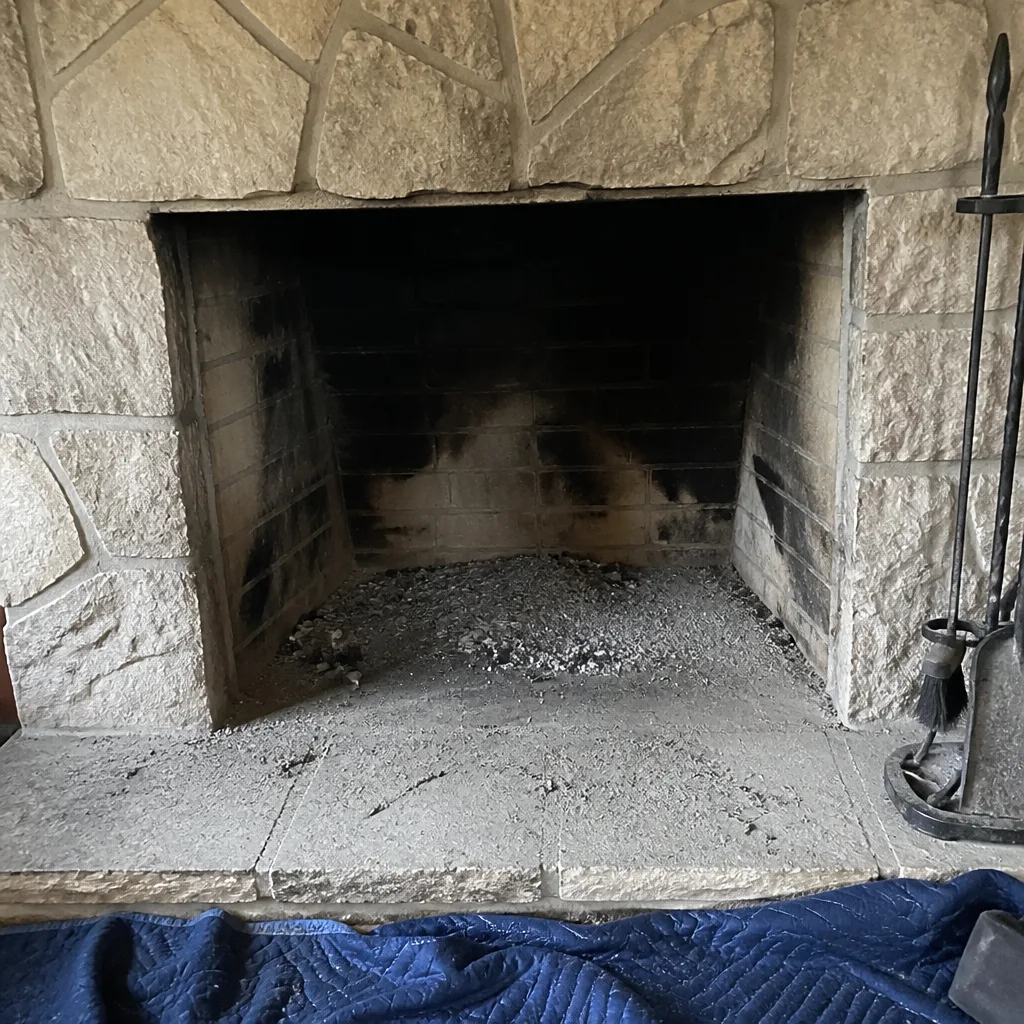 Before
 After
 Before
 After