
Last updated November 4, 2026
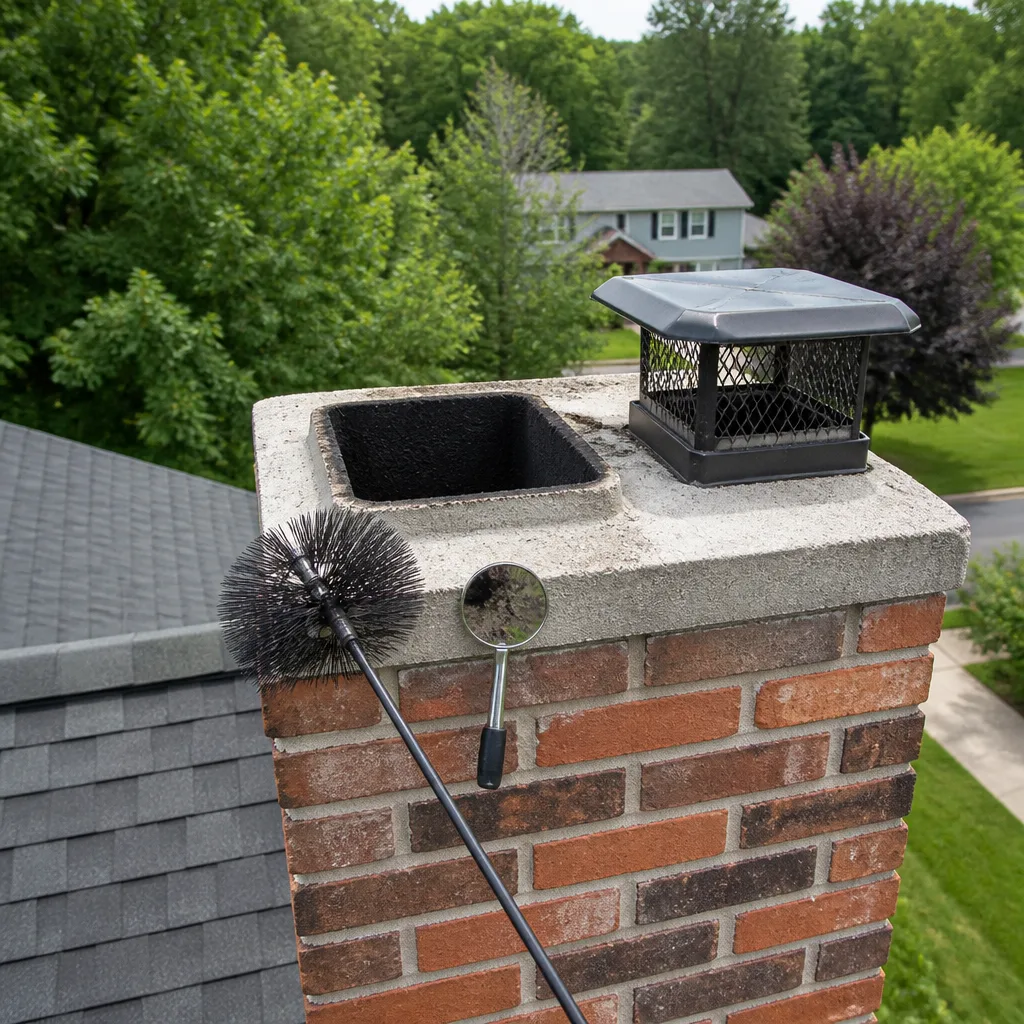 Sweep & inspection
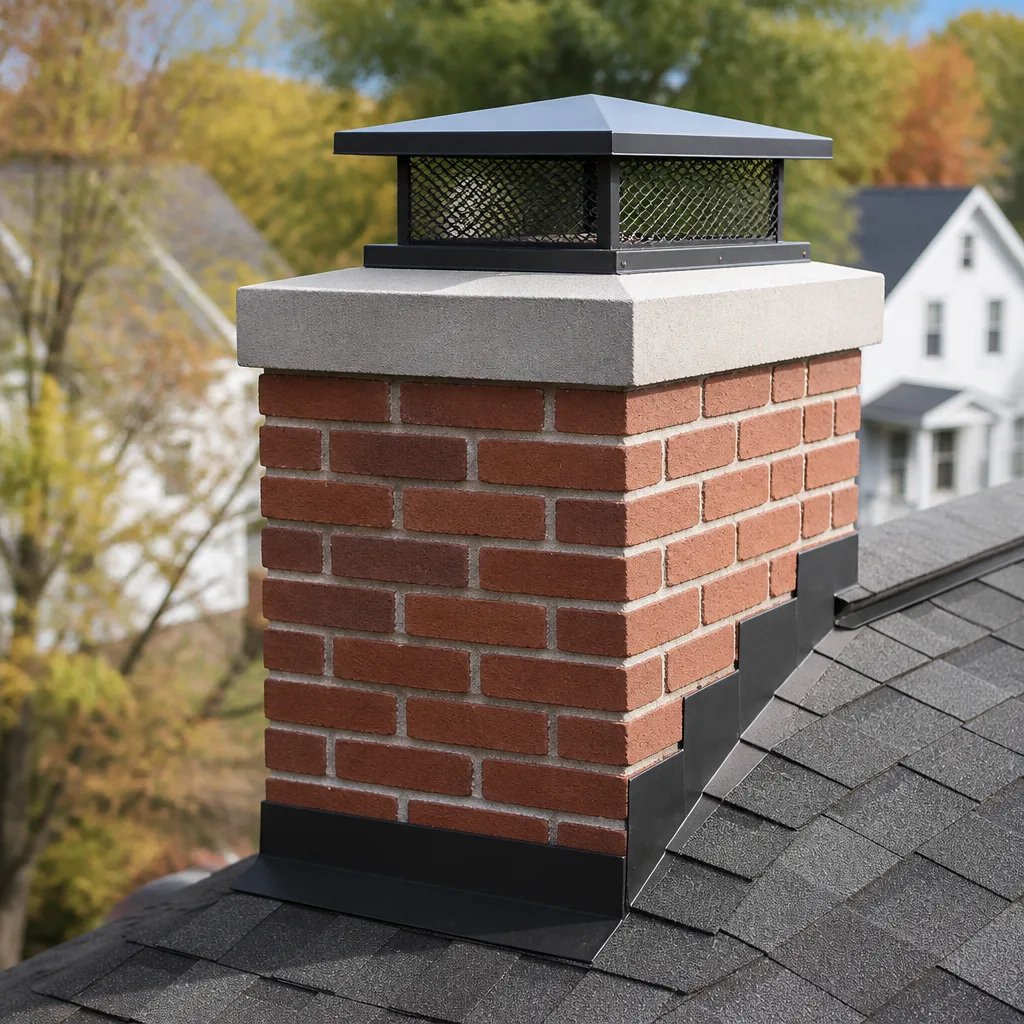 Caps & crowns
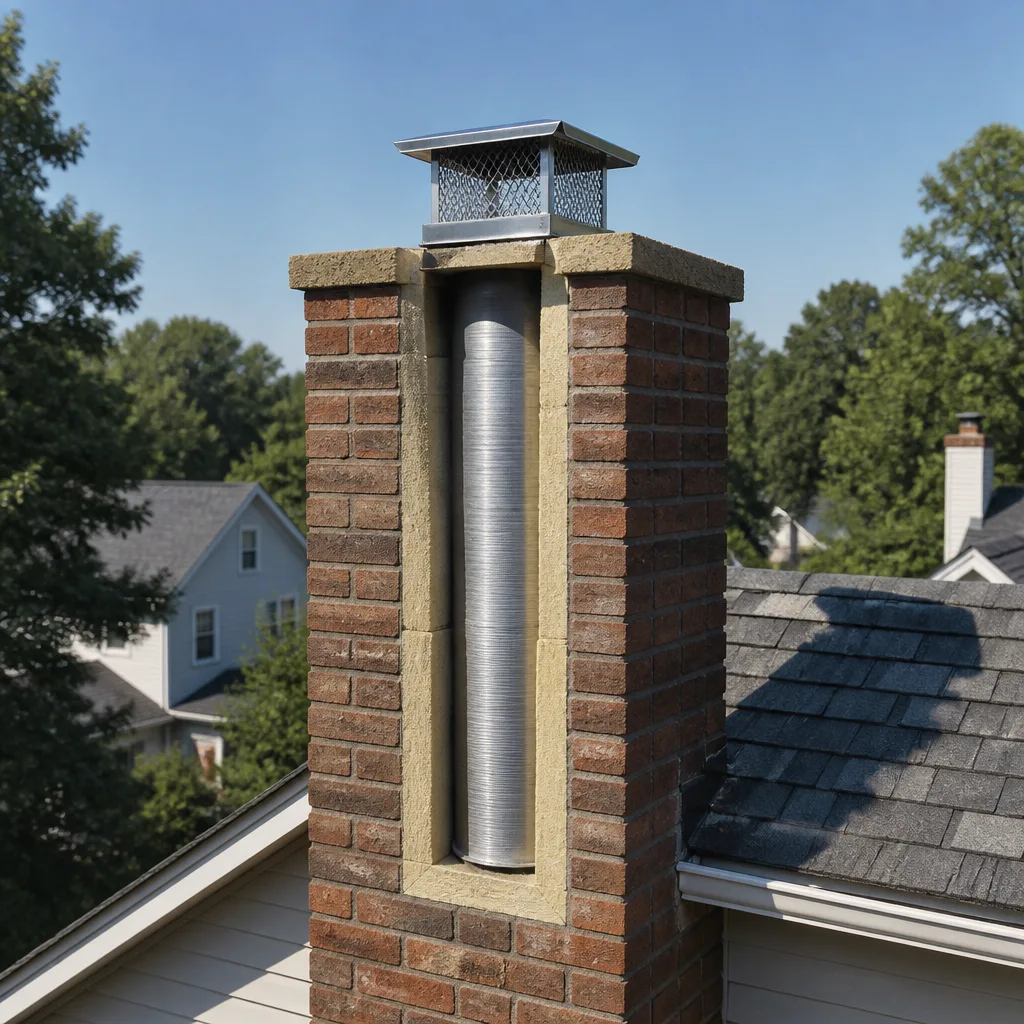 Flue relining
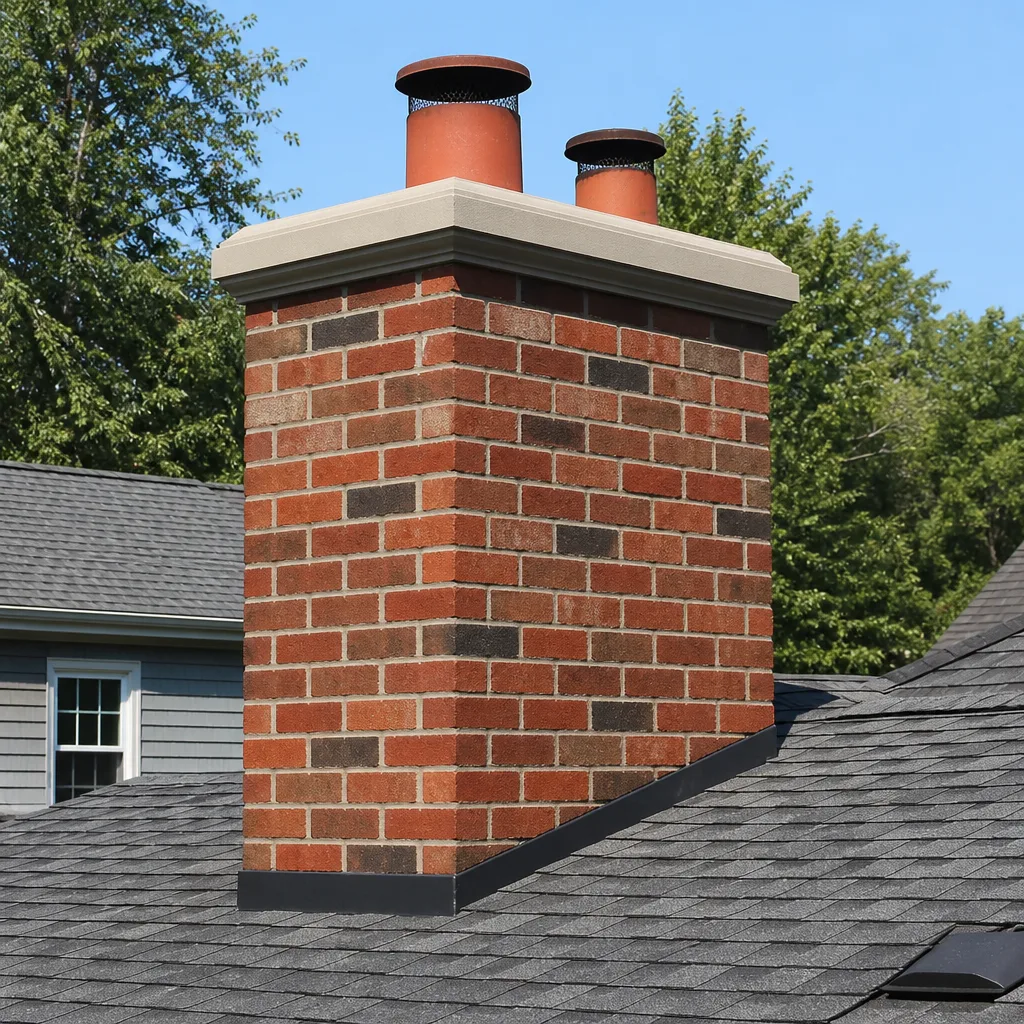 Masonry repair
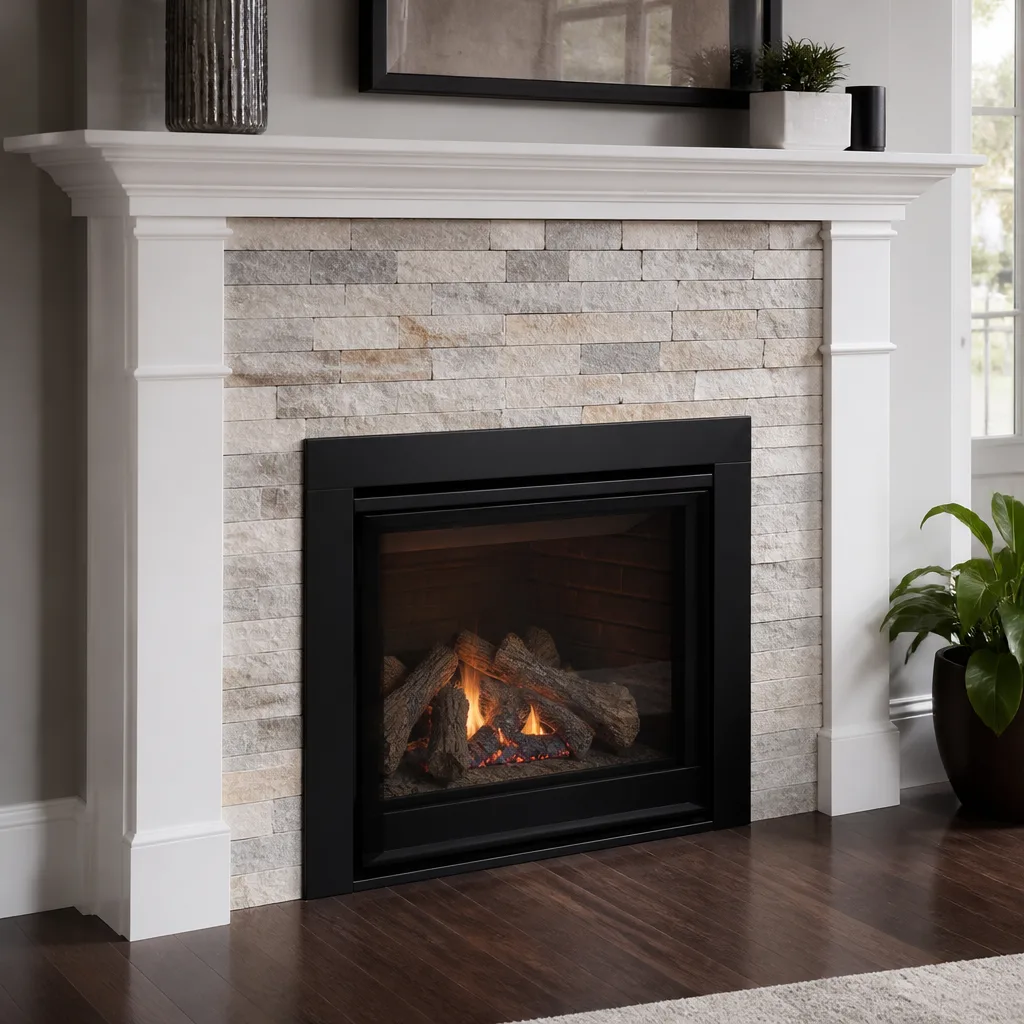 Gas fireplace service
Level 1 sweep and inspection to the NFPA 211 annual standard - flue, crown, cap, and flashing checked and photographed
Chimney sweep logs do not sweep chimneys. They loosen some creosote - which then falls where a brush and vacuum still have to collect it.
Chimney Sweep Maintenance Schedule: What to Do and When
The most common chimney maintenance question we hear in Silver Lake isn’t about how to clean a flue. It’s about when. Homeowners assume the answer is a simple calendar reminder: once a year, every year. But a gas fireplace that runs three nights a week from November through February accumulates residue at a very different rate than a wood-burning fireplace that hosts a fire every weekend plus the occasional holiday gathering. The National Fire Protection Association’s annual inspection standard was written to cover all chimneys, which means it’s the floor, not the full picture. This guide breaks down a use-based maintenance schedule for Silver Lake homes, covering wood stoves, gas fireplaces, pellet inserts, dryer vents, and the repair materials that change how often you actually need service.
Quick Answer
Most wood-burning fireplaces in Silver Lake need a chimney sweep every 25 to 50 fires, or at least once per year, whichever comes first. Gas fireplaces should be inspected annually but typically need cleaning every two to three years. Dryer vents need cleaning every 12 to 18 months regardless of how often the chimney is used. Skip the generic “once a year” rule and build a schedule around your actual burn rate, fuel type, and appliance.
Styles & brands we work with
- Sweep & inspection
- Caps & crowns
- Flue relining
- Masonry repair
- Gas fireplace service
Table of Contents
- How Often Should a Wood-Burning Fireplace Be Cleaned?
- Gas Fireplace Maintenance: A Different Schedule
- Pellet Inserts and Wood Stoves: Their Own Triggers
- Seasonal Tasks You Can Do Yourself
- Where Dryer Vent Cleaning Fits In
- How Repair Materials Change Your Re-Inspection Timeline
- What Silver Lake’s Climate Means for Your Chimney
- Common Mistakes to Avoid
How Often Should a Wood-Burning Fireplace Be Cleaned?
The honest answer depends on how many fires you burn, not how many months have passed since the last sweep. Creosote builds up as a byproduct of incomplete wood combustion. Every cord of wood produces a certain amount of it, and that residue condenses on the flue walls as the smoke cools on its way up. Burn more wood, and you deposit more creosote. It’s that simple.
In our experience with Silver Lake fireplaces, a household burning occasional weekend fires from November through March will typically accumulate enough creosote to warrant a sweep after roughly one season of use. That’s somewhere between 25 and 40 fires. A household that burns three or four nights a week through the winter is in a different category entirely. Those flues often need attention twice per season, especially if the wood isn’t fully seasoned.
Use-Based Frequency Matrix
- Occasional use (fewer than 25 fires per year): Annual inspection, sweep every 1-2 years depending on creosote thickness.
- Regular weekend use (25-50 fires per year): Sweep once per year, ideally before the heavy burning season starts.
- Heavy use (50+ fires per year): Sweep at least once per year, often twice, with a mid-season check on creosote buildup.
- Rare decorative use (under 10 fires per year): Annual visual inspection still matters. Nesting, moisture, and structural issues don’t require fire to develop.
Creosote comes in three stages. Stage one is a flaky dust that a standard chimney brush removes easily. Stage two is a tar-like glaze that requires more aggressive mechanical cleaning. Stage three is a hardened, shiny deposit that often requires chemical treatment or rotary tools, and it poses a serious fire risk. Waiting until the flue reaches stage three is how chimney fires happen. A chimney sweep during stage one or two is straightforward and relatively quick. Stage three often means a longer appointment and sometimes a discussion about whether the flue needs resurfacing.
The fuel matters too. Softwoods like pine and fir, common in Silver Lake firewood deliveries, burn hotter and faster but produce more creosote when not properly seasoned. Hardwoods like oak produce less residue per fire, but they also burn longer, meaning more total hours of smoke passing through the flue. Unseasoned wood of any species is the biggest creosote accelerant we see. Wood that hasn’t dried to below 20% moisture content burns inefficiently and leaves heavy deposits behind.
Gas Fireplace Maintenance: A Different Schedule
Gas fireplaces don’t produce creosote, so the maintenance logic shifts. What they do produce is a fine soot, mineral deposits from combustion, and occasionally nesting material if the vent cap isn’t properly screened. A gas flue that’s never cleaned won’t catch fire the way a wood flue can, but it can clog, corrode, or vent carbon monoxide back into the living space. That’s a different kind of hazard, and it’s why inspection frequency shouldn’t drop to zero just because the fuel changed.
For most gas fireplaces in Silver Lake, an annual inspection is the right baseline. The technician checks the vent, the logs, the burner, and the gas connection. Cleaning, meaning actual disassembly and removal of soot and debris, is typically needed every two to three years under normal use. A gas fireplace that runs daily through the winter might need cleaning more often, particularly if the logs are the vented type that produce more visible soot.
One detail that catches people off guard: gas fireplace flues still get visited by birds and rodents. A gas vent that isn’t used during the summer is a quiet, protected cavity. If the cap is damaged or missing, a nest can establish itself in a matter of weeks. An annual inspection catches that before the first cold night, when the homeowner fires up the gas logs and discovers the vent is blocked. That scenario is more common than you might think in Silver Lake, where the mild season extends late into the year and wildlife stays active.
Pellet Inserts and Wood Stoves: Their Own Triggers
Pellet stoves complicate the maintenance conversation because they burn a manufactured fuel that produces less creosote than cordwood, but they also have more mechanical parts. An auger, a blower, an exhaust vent, and a burn pot all need attention that a traditional fireplace doesn’t require. The venting on a pellet stove is also narrower, which means a smaller amount of residue can create a meaningful restriction.
A pellet insert in a Silver Lake home should have its exhaust path cleaned after every ton of pellets burned, or at least once per season. The burn pot needs scraping between uses, which homeowners can do themselves. The blower and auger need professional service annually. Ash buildup in the exhaust vent is the leading cause of pellet stove performance problems, and it’s also the failure most likely to produce a house fire if ignored long enough.
Wood stoves are the high-burn-rate appliance. Because they’re designed for continuous burning, a wood stove can consume several cords per season. The flue on a wood stove typically accumulates creosote faster than a fireplace because the stove is often damped down for slow overnight burns. Low-temperature smoldering fires are exactly the conditions that produce heavy creosote deposits. A wood stove in regular use should be swept at 20 to 30 fires, which for many households means twice per heating season.
Seasonal Tasks You Can Do Yourself
Between professional sweeps, there are maintenance tasks a homeowner can handle safely and effectively. None of these require climbing onto the roof. All of them are visual inspections and simple mechanical tests that take a few minutes. They don’t replace a professional sweep, but they catch problems early and inform the decision about when to call for the next appointment.
Pre-Season Checklist (August – October)
- Damper test: Open and close the damper fully. It should move smoothly through its full range and stay in position. A damper that sticks, wobbles, or doesn’t seal is a sign that repairs are needed before burning season starts.
- Visual flue inspection: Use a flashlight to look up from the firebox. You should see the flue walls or a liner. Heavy black buildup, visible cracks, or daylight where there shouldn’t be any are all reasons to schedule a professional inspection before the first fire.
- Cap and screen check: From the ground, look at the chimney cap. It should sit level and the mesh screen should be intact. A missing cap or torn screen is an open invitation for birds and rodents throughout the fall.
- Firebox examination: Check the brick or refractory panels inside the firebox for cracks, gaps, or crumbling mortar. Firebox damage doesn’t improve with use. It gets worse as heat cycles stress the material.
- Smoke test: On a cool day, roll up a few sheets of newspaper, light them in the firebox, and watch how the smoke behaves. It should rise directly up the flue. Smoke that spills into the room, hesitates, or backs up means there’s a draft problem that needs professional attention.
Post-Season Tasks (March – May)
- Full damper closure: Once burning season ends, close the damper completely and leave it closed. An open damper during the warmer months lets warm air escape, allows humidity into the flue, and makes the chimney more inviting to wildlife.
- Ash removal: Remove ash from the firebox once you’re done burning for the season. Ash is acidic and attracts moisture. Left in place through the summer, it can accelerate mortar deterioration and produce unpleasant odors when humidity rises.
- Cap re-check: Spring is when nesting activity peaks. A quick visual check of the cap and screen after the breeding season starts can catch a nest attempt before it becomes a full blockage.
- Schedule next season’s sweep: Booking in late summer or early fall is easier than trying to get on a schedule in November, when every chimney in Silver Lake gets its first fire of the season around the same three weeks.
Where Dryer Vent Cleaning Fits In
Dryer vent cleaning doesn’t involve the chimney itself, but it belongs in the same annual maintenance rhythm. The lint that accumulates in a dryer vent is one of the most common household fire hazards in the United States. A clogged vent also forces the dryer to work harder, which shortens its life and increases energy costs. In Silver Lake homes where the dryer runs several times a week, the vent needs professional cleaning every 12 to 18 months.
Combining a dryer vent cleaning with the annual chimney visit makes practical sense. The same appointment window, one visit from a specialist who understands venting systems. More importantly, a combined visit reduces the chance that the dryer vent gets forgotten. Chimney maintenance is front-of-mind when the weather turns cold. Dryer vents rarely announce themselves until there’s a problem, at which point the fix is often more involved than routine cleaning.
There’s an efficiency argument too. A technician already dispatched to the home for chimney work can complete a dryer vent cleaning in the same visit. It saves the homeowner a separate appointment, a separate scheduling call, and a second day spent waiting for a service window. For Silver Lake households that run the dryer daily, this combined annual visit is the simplest way to keep both systems safe without maintaining two separate maintenance schedules.
How Repair Materials Change Your Re-Inspection Timeline
The materials used in a chimney repair don’t just affect how the chimney performs. They affect how often it needs to be looked at again. This is where the difference between a commodity sweep-and-go company and a specialist becomes apparent. The quality of the resurfacing product or liner system has a direct relationship to the maintenance interval.
HeatShield is a ceramic-based resurfacing material used to repair flue liners that have cracked or deteriorated. When a flue is resurfaced with HeatShield, the interior of the chimney is restored to a smooth, sealed condition. That smooth surface means creosote has less to grip onto, and the sealed surface means combustion gases can’t leak through the flue walls into the house structure. A properly resurfaced flue can reduce the rate of creosote accumulation, but it doesn’t eliminate the need for periodic sweeping. What it does mean is that a chimney that previously needed aggressive cleaning every season might shift to a lighter cleaning schedule, because the deposits don’t build up on a degraded, pitted surface.
DuraFlex liner systems change the equation differently. A full reline with a DuraFlex liner replaces the original flue entirely. The new liner is a continuous, smooth-walled stainless steel tube running from the appliance to the cap. Creosote still deposits on the liner walls, but the smooth, uniform surface makes removal easier and more complete. A DuraFlex reline doesn’t eliminate the need for sweeping, but it makes each sweep more effective, and it eliminates the concern about deteriorating masonry absorbing and holding creosote residue. We carry these materials because they represent a meaningful upgrade over what was originally installed, and because they directly affect how a chimney behaves over its service life.
The takeaway: if you’ve invested in professional-grade repair materials, your re-inspection interval may lengthen slightly. But it never goes to zero. Even a perfectly functioning chimney needs periodic visual inspection, because external conditions like storms, nesting, and settling all happen regardless of what’s inside the flue.
What Silver Lake’s Climate Means for Your Chimney
Silver Lake’s mild winters create a particular maintenance pattern that differs from colder climates. Homes here don’t experience the months-long continuous burning that a Minnesota or Vermont chimney endures. That means creosote accumulates more slowly on a per-fire basis, but the chimney still faces seasonal risks that have nothing to do with fire frequency.
The biggest issue is the long mild season. A chimney that sits unused from April through September is an empty cavity in the roof. Birds and rodents are active year-round in this climate. A chimney cap that’s damaged in March becomes a nesting site by May. By October, the nest can be substantial enough to fully block the flue. No amount of burning creates that blockage. Only inspection catches it before the first fire.
Moisture is the other seasonal driver in Silver Lake. Even without snow, chimneys here deal with fog, rain, and humidity that vary through the year. Moisture exposure on masonry, combined with heat cycling during burning season, is what causes the slow deterioration of mortar joints and brick faces. A chimney in Silver Lake that never sees sub-zero temperatures can still develop structural issues from this moisture-heat cycle. The mild climate doesn’t exempt the chimney from maintenance. It just shifts which maintenance risks are most urgent.
Common Mistakes to Avoid
- Treating “once a year” as a magical number. A household burning three cords of wood annually needs different service than one burning six fires. Build the schedule around usage, not the calendar.
- Skipping the inspection because the fireplace wasn’t used. Nesting, moisture damage, and cap failure happen whether or not the fireplace sees flame. An unused chimney can be in worse shape than a heavily used one.
- Burning unseasoned wood. Wet wood is the single biggest contributor to rapid creosote buildup. If the wood hisses and sizzles when lit, it’s not ready. Every fire with unseasoned wood deposits more residue than a fire with properly dried fuel.
- Forgetting the dryer vent. The chimney might be clean, but a clogged dryer vent is its own fire hazard. The two systems need separate attention, and they’re easy to combine into one visit.
- Closing the damper with a fire still smoldering. This seems obvious, but it happens more often than you’d expect. Closing the damper before the fire is fully out sends smoke and carbon monoxide into the living space.
- Waiting until the fireplace is smoking to call. Smoke backing into the room is a late-stage symptom. The creosote was accumulating for months before that happened. By the time the flue is restricted enough to cause smoke spillage, the fire risk has been building for a while.
- Assuming a gas fireplace needs nothing. Gas flues still get blocked, clogged, and compromised. The inspection cycle shouldn’t stop just because the fuel changed.
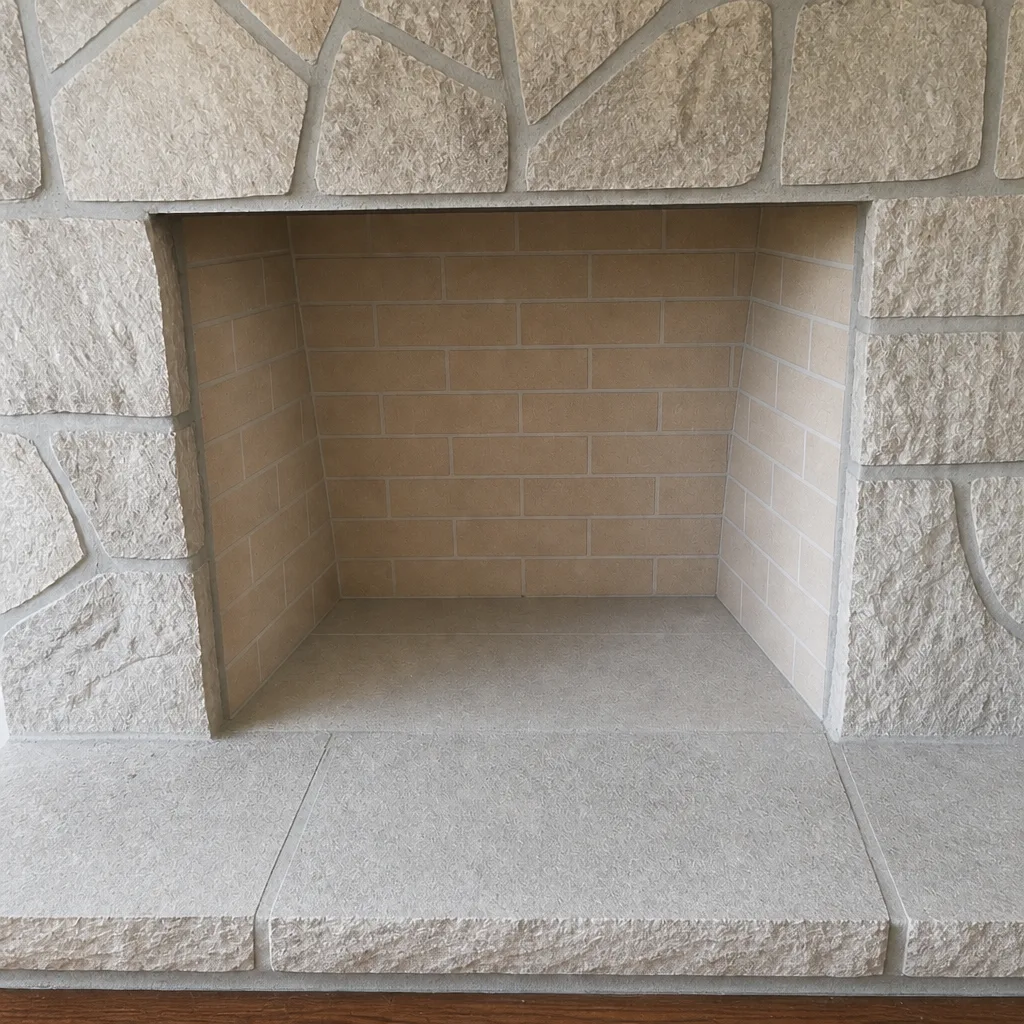
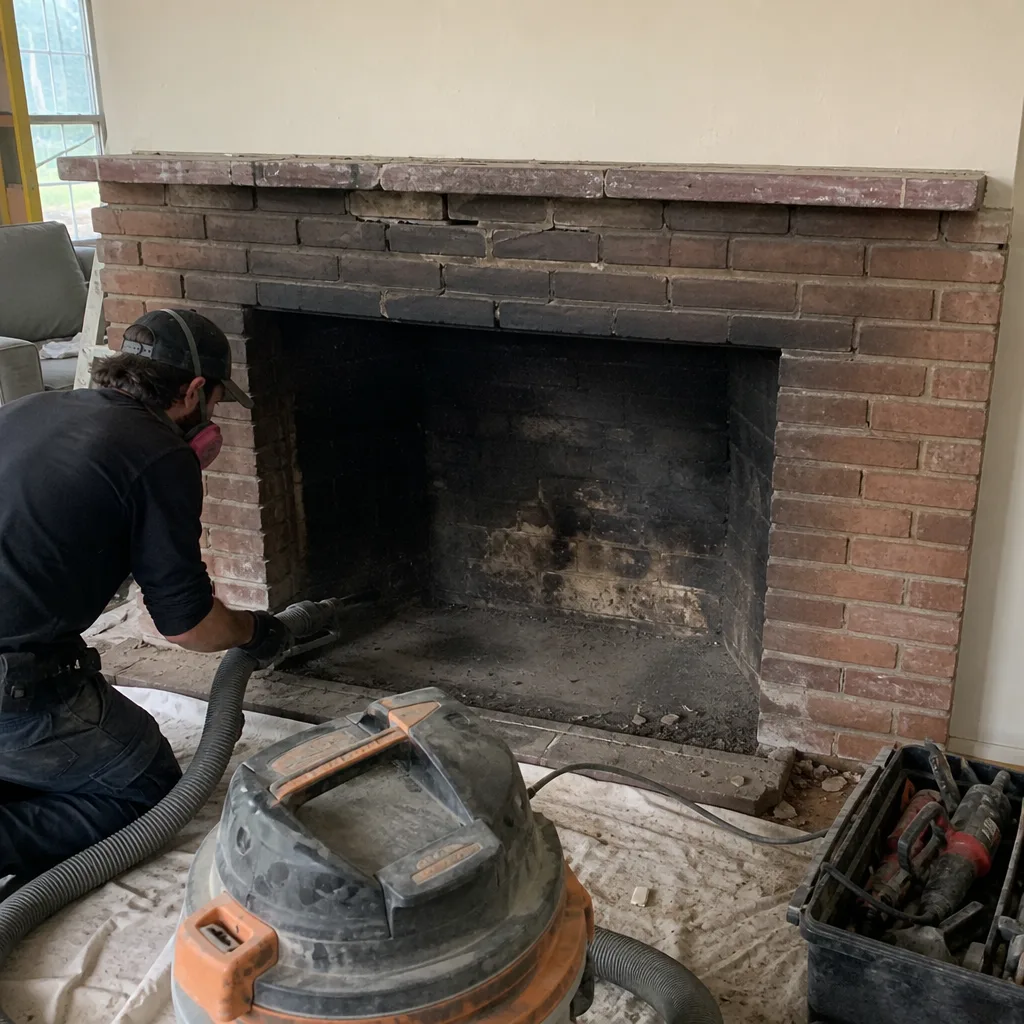
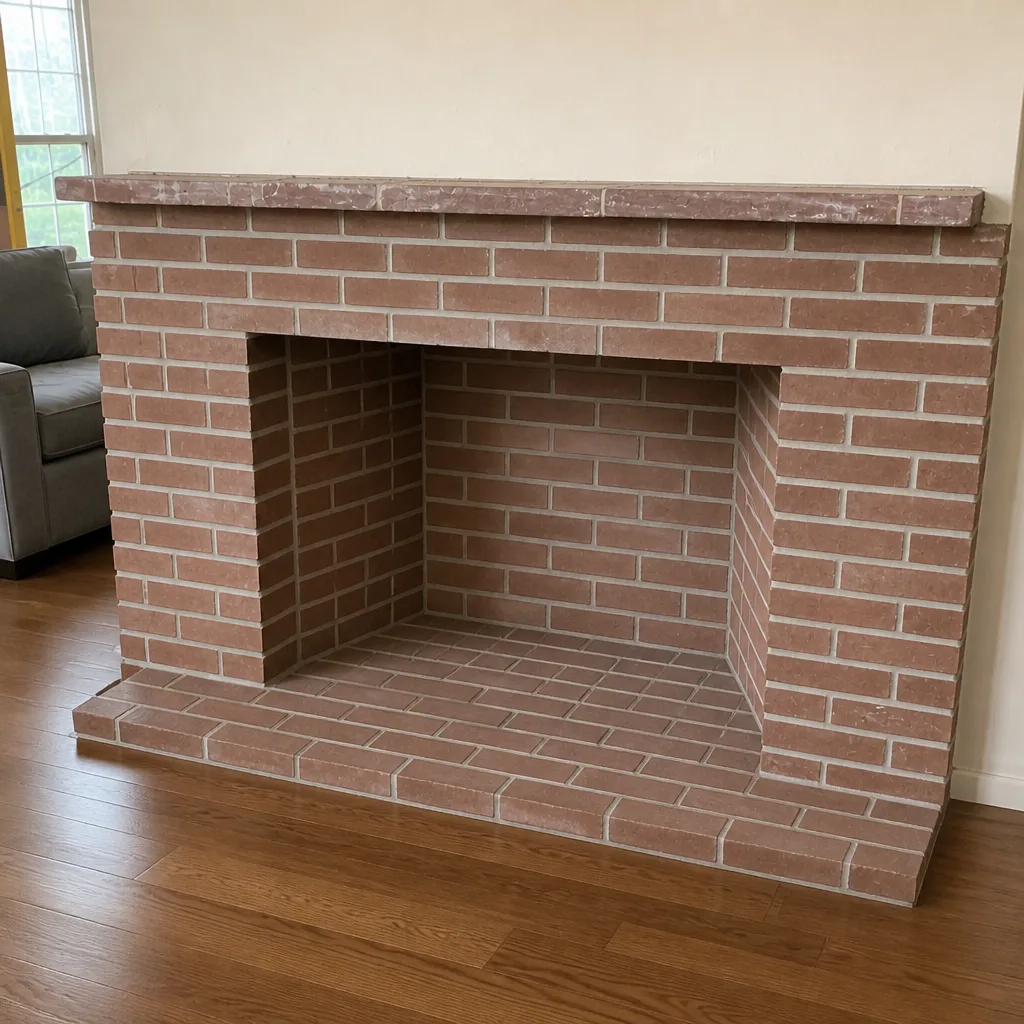
See the difference
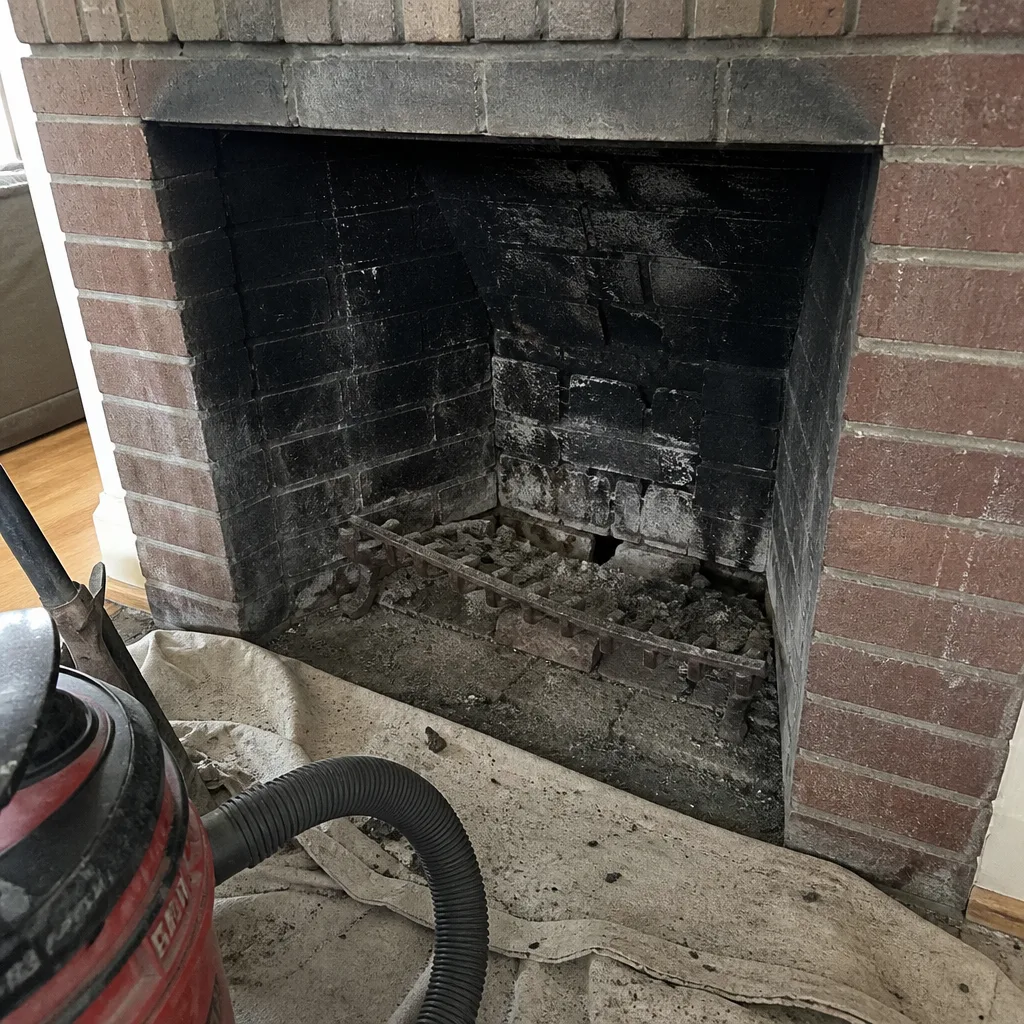 Before
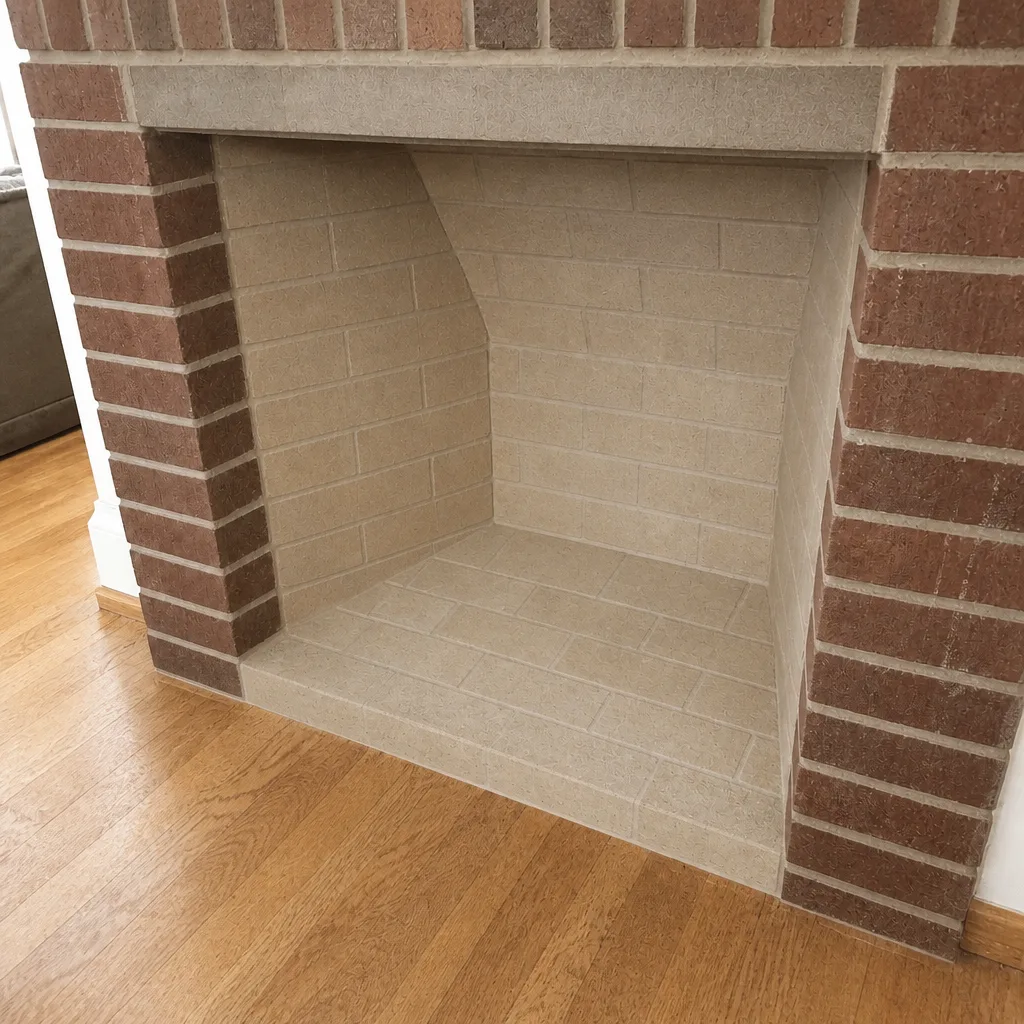 After
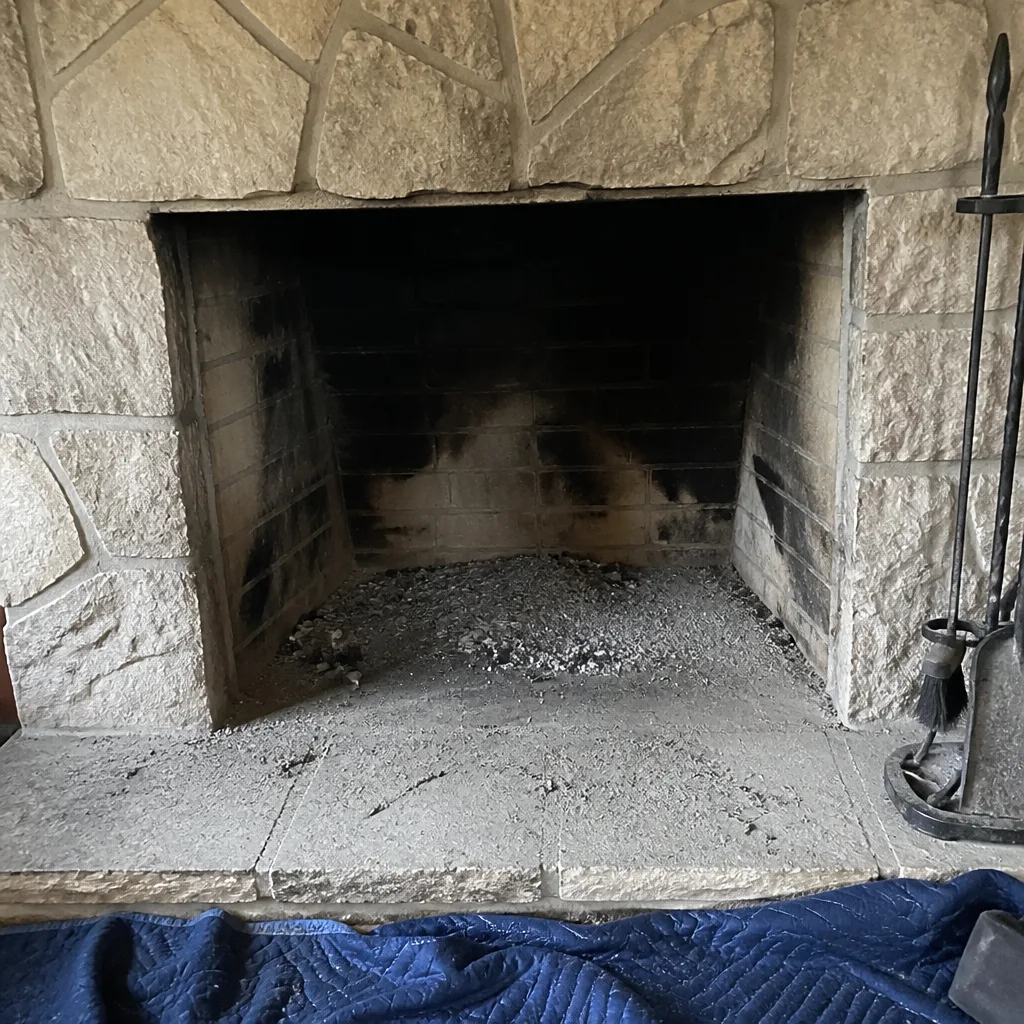 Before
 After
 Before
 After
When to Call a Professional
Call a professional when you see thick, shiny creosote in the flue, when smoke spills into the room instead of rising up the chimney, when you hear or see evidence of animals in the chimney, when the damper won’t seal, or when the cap is damaged or missing. Also call if the fireplace hasn’t been inspected in more than two years, regardless of how little it’s been used. A flue that’s never been assessed since you moved into the home is an unknown variable, and unknowns in a chimney are never good.
If you’re in the Silver Lake area and ready to get on a maintenance schedule, Chimney Sweep Silver Lake offers free estimates. Call (866) 538-0809. We answer 24/7. Fast dispatch from 7am to 7pm, Sunday through Friday.
Frequently Asked Questions
A wood-burning chimney in Silver Lake should be cleaned every 25 to 50 fires, or at least once per year. Gas fireplaces typically need cleaning every two to three years with an annual inspection. The right schedule depends on your fuel type, how many fires you burn, and the condition of your flue. Call (866) 538-0809 for a free estimate and we’ll assess your chimney’s specific needs.
You can do visual inspections and basic firebox cleaning yourself, but a proper sweep requires specialized brushes, rods, and often access from the roof that most homeowners aren’t equipped for. A professional sweep also includes an inspection of the flue interior that catches cracks, gaps, and liner damage before they become serious. The equipment cost alone makes DIY chimney cleaning a poor value for most households.
Look up the flue with a flashlight. If you see more than about 1/8 inch of black, flaky, or shiny residue on the flue walls, it’s time for a sweep. Smoke spilling into the room, a strong smoky smell even when the fireplace is cold, or visible creosote falling into the firebox are all urgent signals. Any of these means the flue is restricted and the fire risk is elevated.
No. Gas fireplaces don’t create creosote, but they still need an annual inspection of the vent, burner, and connections. Cleaning is needed less often, usually every two to three years, unless the gas fireplace is used daily through the winter. The inspection still matters because gas flues can clog with nesting material, soot, or debris from a damaged cap.
Skipping a year means creosote continues to accumulate, and the flue gets progressively more restricted with each fire. The fire risk rises, the draft gets weaker, and the next sweep takes longer and costs more because there’s more to remove. If the creosote reaches stage three, meaning hard, glazed deposits, the cleaning may require specialized equipment and the flue may need resurfacing rather than just sweeping.
A standard chimney sweep in Silver Lake is priced per job by written estimate, and the cost depends on the chimney’s condition, accessibility, and how much creosote needs to be removed. Estimates are free. Call (866) 538-0809 for an exact quote for your chimney.
The Bottom Line
The annual chimney sweep standard is a starting point, not a one-size-fits-all rule. Wood-burning fireplaces need cleaning based on how many fires you actually burn. Gas fireplaces need annual inspection with less frequent cleaning. Pellet stoves and wood stoves have their own triggers based on fuel and burn rate. Dryer vents need attention every 12 to 18 months. And in Silver Lake specifically, the mild climate means the risks shift toward nesting, moisture, and long idle periods rather than heavy creosote throughput. Build a schedule around how you use your appliances, do the seasonal checks between professional visits, and call for help when something looks off. The cost of a routine sweep is far less than the cost of a chimney fire or a carbon monoxide incident, and the written estimate tells you exactly where your chimney stands.
Chimney sweeping in Silver Lake is straightforward when the schedule matches the usage. Call (866) 538-0809 to book a free estimate. We answer 24/7. Fast dispatch from 7am to 7pm, Sunday through Friday.
Written by the team at Chimney Sweep Silver Lake, serving Silver Lake since 2013.