
Last updated November 4, 2026
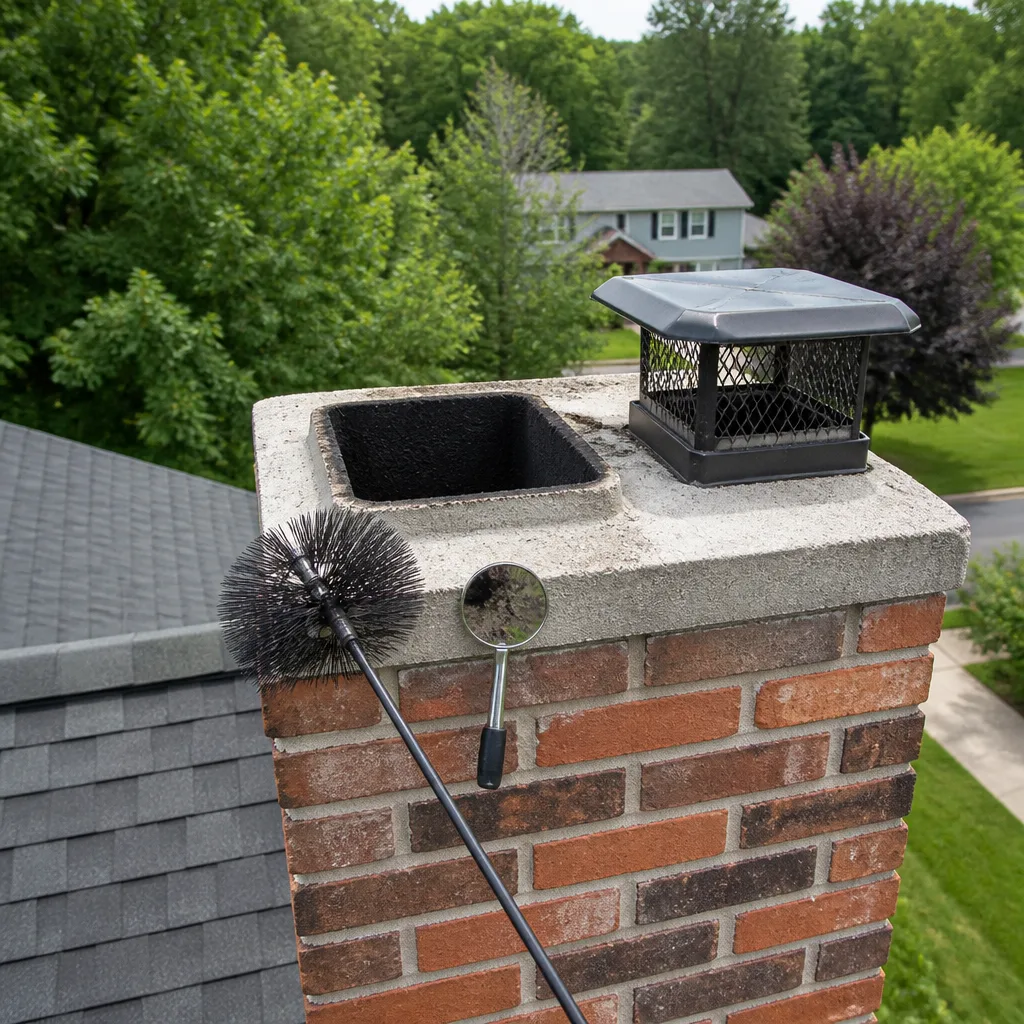 Sweep & inspection
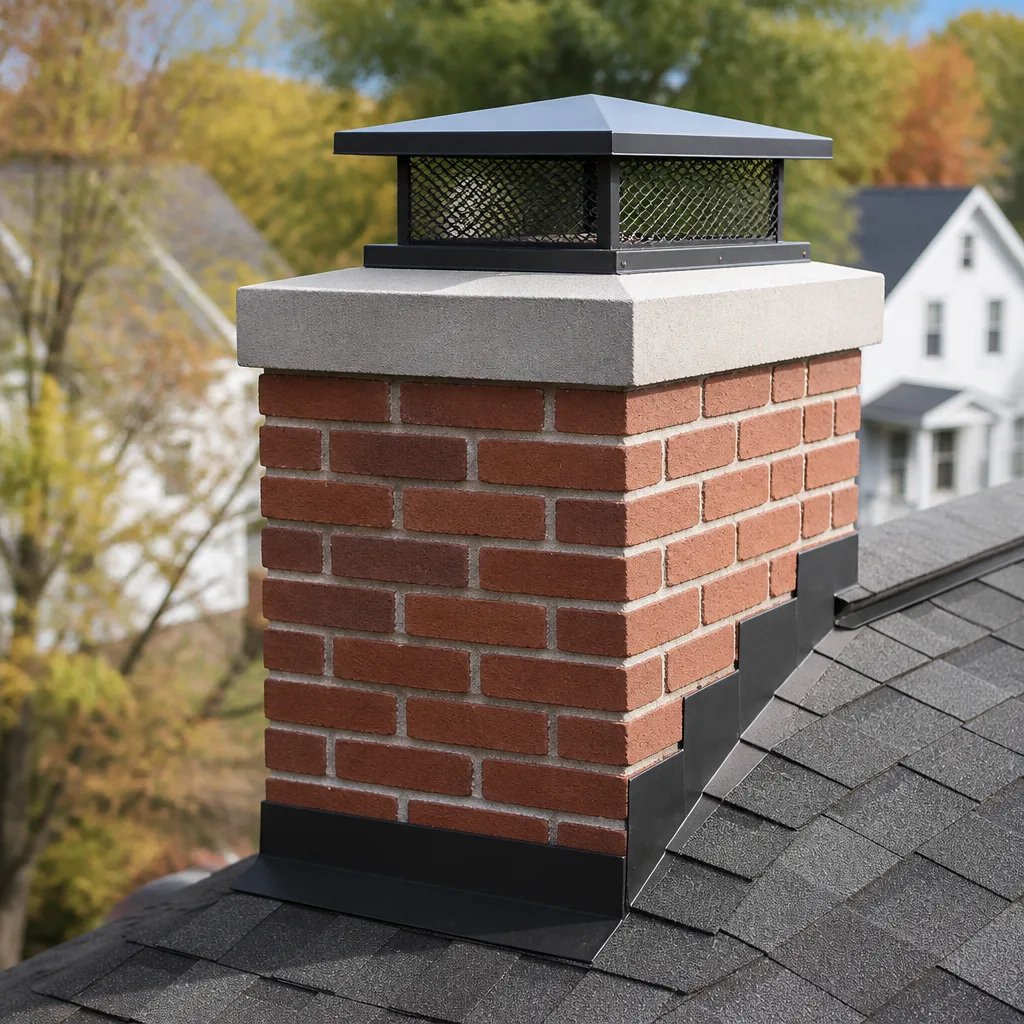 Caps & crowns
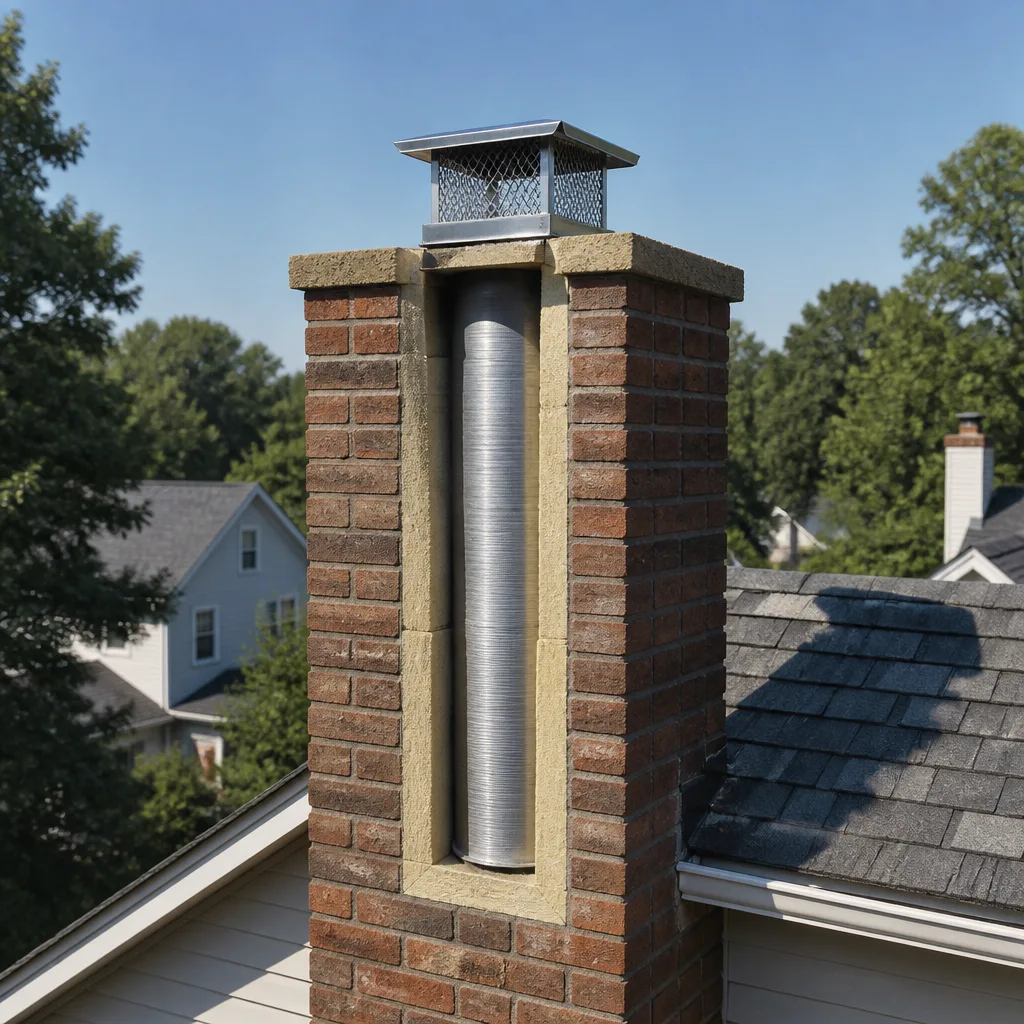 Flue relining
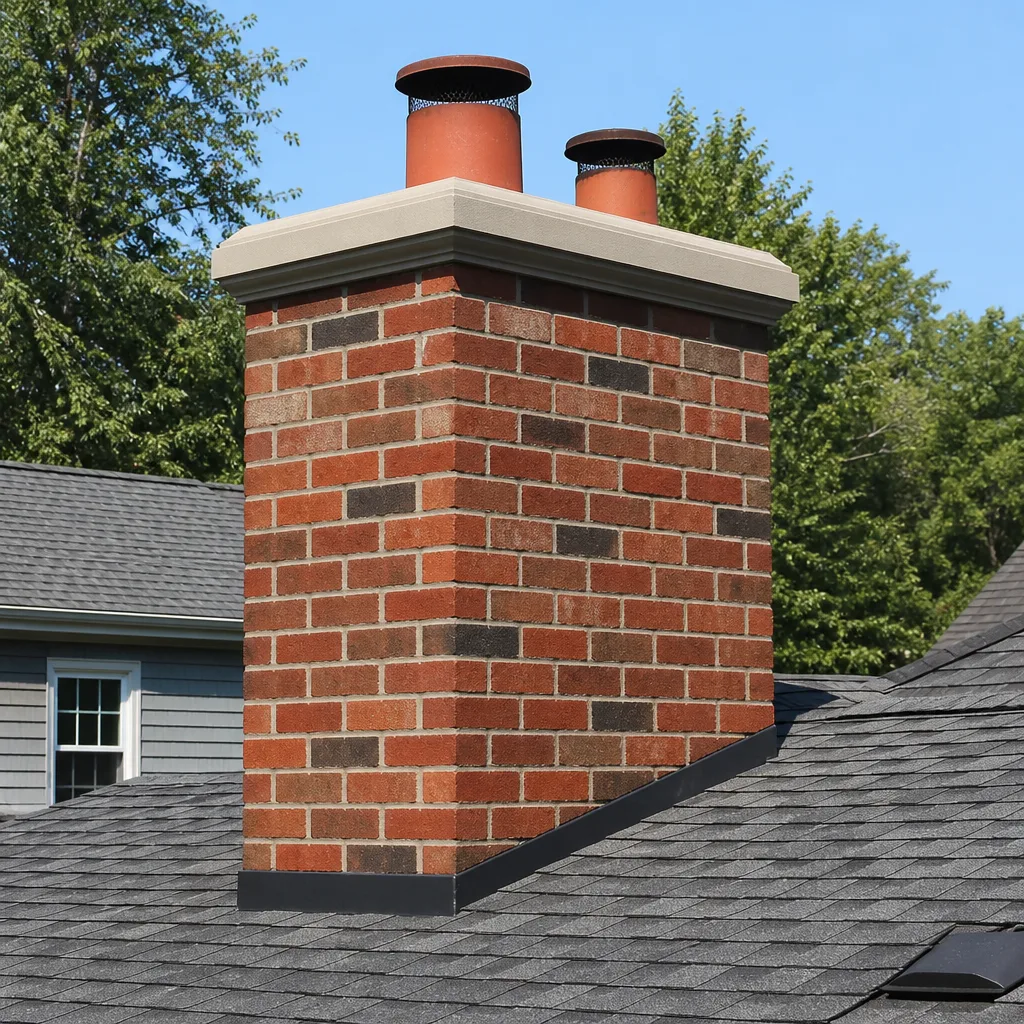 Masonry repair
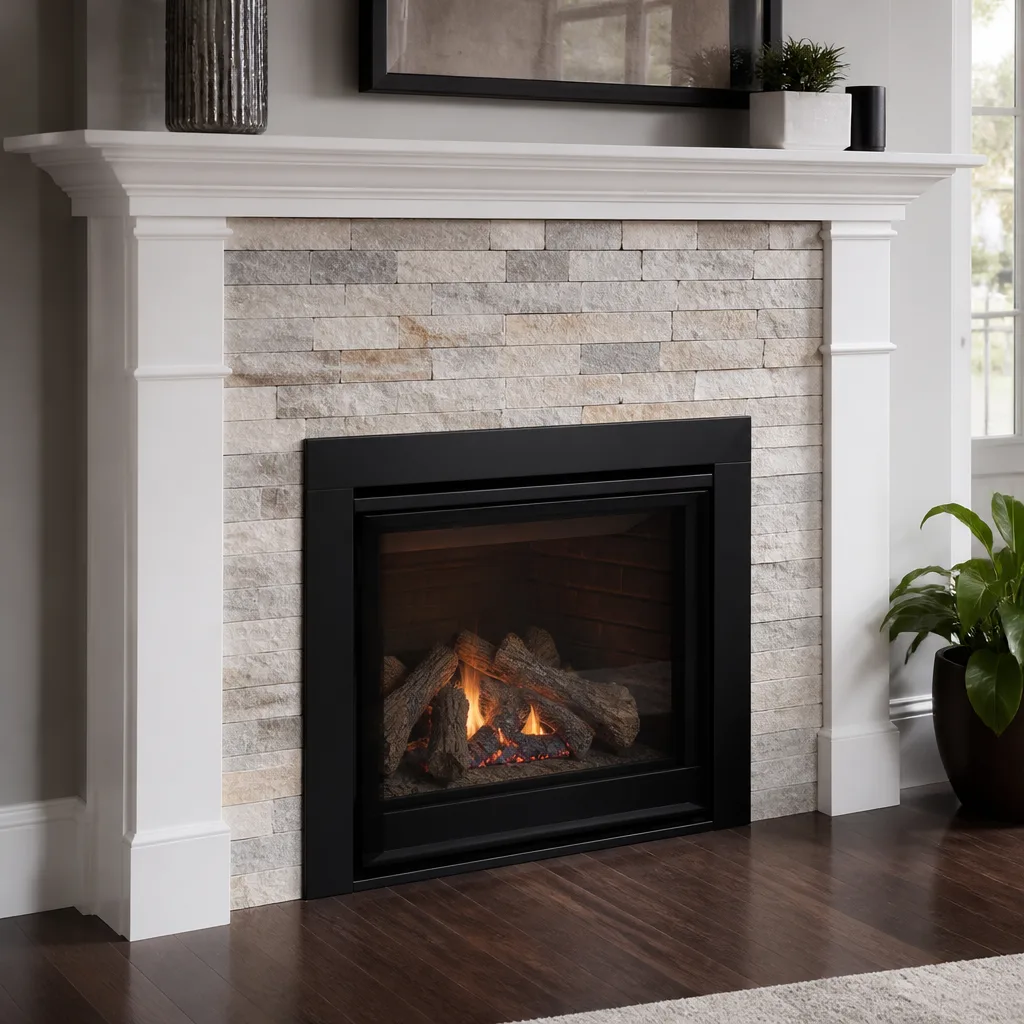 Gas fireplace service
Level 1 sweep and inspection to the NFPA 211 annual standard - flue, crown, cap, and flashing checked and photographed
Chimney sweep logs do not sweep chimneys. They loosen some creosote - which then falls where a brush and vacuum still have to collect it.
Seasonal Chimney Cleaning Care for Silver Lake: Year-Round Homeowner’s Guide
The standard advice you’ll find online says to schedule your chimney sweep every fall before fireplace season. That guidance was written for Buffalo and Boston, where winter means snow, sub-zero nights, and a fireplace that runs daily for four straight months. Silver Lake doesn’t work that way. Our fireplace season is loosely defined at best, and the real threat to your chimney isn’t ice or cold. It’s moisture, wind-driven debris, and the long stretches of mild weather where nobody thinks about the flue at all. This guide covers what actually matters for your chimney in Silver Lake, season by season, and why the timing that works for a Massachusetts colonial doesn’t translate to a 1920s hillside bungalow off Sunset Boulevard.
Styles & brands we work with
- Sweep & inspection
- Caps & crowns
- Flue relining
- Masonry repair
- Gas fireplace service
Quick Answer
Seasonal chimney cleaning in Silver Lake means scheduling a sweep once a year regardless of how often you burn, because Southern California’s marine layer months and Santa Ana wind cycles create moisture and debris risks that cold-weather climates don’t have. The optimal window for most Silver Lake homeowners is late spring or early summer, after the rainy season ends and before the marine layer settles in. If you haven’t had your chimney inspected in over a year, call (866) 538-0809 for a free estimate.
Table of Contents
- Why Silver Lake’s Climate Breaks the Standard Chimney Schedule
- The June Gloom Problem: Marine Layer Moisture and Your Chimney
- Santa Ana Winds and Chimney Fire Weather in Silver Lake
- The Best Time of Year to Clean Your Chimney in Silver Lake
- Spring and Summer Maintenance: Caps, Crowns, and Critters
- El Niño, La Niña, and Why Rain Cycles Change Your Inspection Urgency
- What a Seasonal Chimney Inspection Actually Covers
- Burning Season in Silver Lake: What Changes When You Use Your Fireplace
Why Silver Lake’s Climate Breaks the Standard Chimney Schedule
Silver Lake sits in a Mediterranean climate zone with mild, wet winters and warm, dry summers. We get roughly 15 inches of rain a year, almost all of it between November and March. Frost is rare. Snow is essentially unheard of. That means the conventional wisdom about chimney maintenance, which assumes hard freezes, ice dams, and months of heavy burning, simply doesn’t apply here. But the absence of hard winters doesn’t mean your chimney is dormant. It means the risks shift.
In a cold climate, chimneys fail from thermal stress. Repeated freezing and thawing cracks masonry, and heavy creosote buildup from constant burning becomes the primary fire hazard. In Silver Lake, the dangers are more subtle. Moisture is the big one. Our rainy season is short but intense, and when water finds its way into a chimney crown or through a deteriorating cap, it sits inside the flue for months during the dry season. That trapped moisture accelerates masonry deterioration, rusts dampers, and creates the conditions for mold and animal nesting.
We’ve also got wind. The Santa Ana events that whip through the hills from September through December send debris, dust, and embers into uncapped or poorly capped flues. A chimney that was perfectly clean in August can be packed with dry leaves and twigs by October. That’s kindling sitting directly above your firebox.
The takeaway is this: Silver Lake homeowners should stop thinking about chimney maintenance as a once-a-year fall ritual and start thinking about it as a year-round moisture and debris management problem. The timing that works here is different because the weather is different. And that difference matters for both safety and repair costs.
The June Gloom Problem: Marine Layer Moisture and Your Chimney
Ask any Silver Lake homeowner about June and they’ll tell you about the marine layer. Those low clouds roll in from the coast and sit over the hills for weeks at a time, keeping temperatures down and humidity up. It’s a relief from the heat, which is why nobody complains about it much. But for your chimney, it’s quietly corrosive.
The marine layer doesn’t dump rain. What it does is keep surfaces damp for extended periods. The crown of your chimney, the topmost concrete or mortar surface that seals the structure from water, absorbs that moisture. So do the mortar joints between bricks. When the sun eventually breaks through, that moisture evaporates rapidly. The cycle repeats day after day. Over time, this wet-dry cycling causes micro-cracks to form and expand in mortar and concrete.
Here’s the part most homeowners miss: during June gloom months, an unused chimney is at higher risk than one that gets regular use. When you burn a fire, the heat drives moisture out of the flue and surrounding masonry. When the fireplace sits cold for weeks on end with damp air circulating through an uncapped or poorly capped flue, that moisture has nowhere to go. It accumulates. Dampers rust. Brick faces spall, meaning small chunks flake off. The flue liner, if it’s clay tile, absorbs water and begins to crack from within.
We recommend every Silver Lake homeowner take a close look at their chimney crown and cap in late May or early June, before the marine layer settles in for good. You’re checking for hairline cracks in the crown, gaps around the flue tile, and rust on the damper assembly. If you see any of those signs, the fix is usually straightforward now. Wait a few more seasons and that same issue becomes a masonry rebuild. Moisture is the slowest-moving chimney problem and the most expensive one to ignore.
Santa Ana Winds and Chimney Fire Weather in Silver Lake
Santa Ana season is part of living in Silver Lake. The winds start picking up in September, peak between October and December, and occasionally stretch into January. They’re dry, hot, and they move fast through the hills. For chimney owners, they create two distinct hazards that most seasonal maintenance guides never mention.
The first is debris loading. Santa Ana winds strip leaves, twigs, and small branches from trees and drive them horizontally across rooftops. If your chimney cap is missing, damaged, or the wrong size, that debris drops straight down the flue. We’ve found chimneys in Silver Lake packed with enough dry leaf matter to fill a yard waste bin, all of it sitting less than three feet above the firebox. The first fire of the season ignites that debris, and what should be a cozy evening becomes a chimney fire.
The second hazard is external. Santa Ana events are when Los Angeles experiences its most dangerous wildfire conditions. Embers travel miles ahead of the main fire front. An uncapped chimney with an open flue is a direct pathway for embers to enter your home and ignite the interior. A properly fitted spark arrestor cap is the single most important piece of chimney hardware for Silver Lake homeowners. It does double duty: keeps debris and animals out, and keeps embers from getting in during wind events.
If you haven’t checked your cap since last year, the weeks before Santa Ana season starts are the time to do it. Look for missing spark arrestor mesh, gaps around the flue tile, or a cap that’s rusted through. If you call a Chimney Sweep Silver Lake technician for an inspection, the cap is one of the first things we check. It’s a small component. It matters a lot.
The Best Time of Year to Clean Your Chimney in Silver Lake
Conventional wisdom says sweep in September or October, right before burning season. In Silver Lake, that’s workable but not optimal. The better window is late spring or early summer, between mid-April and mid-June. Here’s the reasoning.
By April, the rainy season is over. Whatever moisture infiltration happened during the winter rains has had a chance to show itself in the form of efflorescence, spalling, or damper rust. An inspection in April or May catches that damage early, when repairs are smaller and less expensive. If you wait until September, the damage has had all summer to worsen. The marine layer has been working on your crown for months. Debris has accumulated. The repair scope is bigger.
There’s also an availability argument. Most homeowners schedule chimney sweeps in the fall because that’s what the standard advice tells them to do. It’s the busiest time of year for chimney companies, which means scheduling is tighter and you’re more likely to wait. A sweep in May or June fits into a lighter schedule and gets the same quality of work done before you need it.
The practical reality is that a chimney sweep once a year is sufficient for most Silver Lake homes, regardless of when it happens. What matters more than the exact date is consistency. If you burn fires regularly, even just a few times a month during the cooler months, you’re building up creosote. One year of that buildup is within the safe range. Two years is pushing it. Three years is when we start seeing dangerous accumulations. Pick a month. Put it in your calendar. Make it a habit.
Spring and Summer Maintenance: Caps, Crowns, and Critters
Spring and summer in Silver Lake are when your chimney needs the most attention, not the least. The fireplace is sitting idle, which means problems develop quietly. There are four specific tasks every homeowner should address during the warm months.
1. Cap and Crown Inspection
The chimney cap and crown are the two components protecting your flue from weather and debris. The crown is the mortar or concrete slab at the top of the chimney structure. The cap is the metal assembly with the spark arrestor that sits over the flue opening. Both need to be intact and properly fitted. Walk outside and look up. If you see cracks in the crown, missing mortar joints, or a cap that’s loose or rusted, schedule a repair before the marine layer settles in. We work with Gelco and Olympia Chimney products for caps and crowns because off-the-shelf hardware doesn’t hold up to Southern California’s wet-dry cycling as well.
2. Animal and Bird Entry
Chimneys are attractive nesting spots for birds, squirrels, and raccoons. Spring is nesting season. The absence of a cap or a torn spark arrestor mesh is an open invitation. A nest inside the flue blocks airflow, which means carbon monoxide can’t vent properly. It’s also highly flammable. If you hear scratching sounds from the chimney, chirping, or notice debris falling into the firebox, call a professional. Don’t attempt to remove a live nest yourself. Chimney work should only be done with the right equipment and an understanding of how to handle wildlife that may still be present.
3. Flashing Check
The flashing is the metal strip where the chimney meets the roofline. It seals the gap between roof and masonry. Silver Lake’s hillside homes get a lot of wind-driven rain during winter storms, and failing flashing is one of the most common sources of roof leaks we see. If you notice water stains on the ceiling near the chimney or dampness in the attic, the flashing is the first thing to check. Summer is the time to re-seal or replace it, before the next rainy season arrives.
4. Dryer Vent Attention
While you’re thinking about the chimney, take a look at your dryer vent. It’s the other major venting system in your home, and it faces the same seasonal pressures. Lint accumulates year-round, but the warm, static air of summer allows it to compact and harden inside the vent run. A clogged dryer vent is a leading cause of house fires. We offer dryer vent cleaning as part of our full-scope venting service, and summer is an ideal time to get it done since the dryer is often running less frequently. If you notice clothes taking longer to dry or a burning smell during a cycle, don’t wait.
El Niño, La Niña, and Why Rain Cycles Change Your Inspection Urgency
Silver Lake’s rainy season is never the same two years in a row. Some winters bring a handful of light showers. Others, particularly during El Niño phases, deliver weeks of steady, sometimes heavy rain. La Niña years tend to be drier, but they also bring more intense Santa Ana wind patterns. Both cycles have specific implications for your chimney.
During a predicted El Niño winter, the inspection urgency goes up. The most common chimney failure we see in Silver Lake after wet winters is water intrusion through crown cracks and flashing gaps. Once water gets inside the flue, it causes clay liner damage and rusts the damper hardware. If the NOAA seasonal outlook is calling for above-average precipitation, get an inspection before the rains start rather than after. Repairs made in October are cheaper than repairs made in March, because the damage hasn’t had a full season to compound.
La Niña years present a different problem. Less rain means less obvious moisture damage, but it also brings stronger and more frequent Santa Ana events. The fire weather danger is elevated. Your chimney cap and spark arrestor become critical ember barriers. A cracked crown that wouldn’t matter in a dry, windless year becomes a pathway for wind-driven debris. In a La Niña cycle, the inspection priority shifts from water sealing to cap integrity and flue clearance.
The practical takeaway is this: don’t treat chimney maintenance as a fixed annual task that ignores the weather forecast. If the local news is predicting a wet El Niño winter, move your inspection earlier. If it’s a dry La Niña year with active fire weather, focus on the cap and debris clearance. A good chimney professional in Silver Lake will adjust the inspection priorities based on the actual conditions, not a generic checklist.
What a Seasonal Chimney Inspection Actually Covers
When you schedule a seasonal chimney sweep and inspection in Silver Lake, here’s what the process looks like, step by step. Understanding this helps you know what you’re paying for and what the results mean.
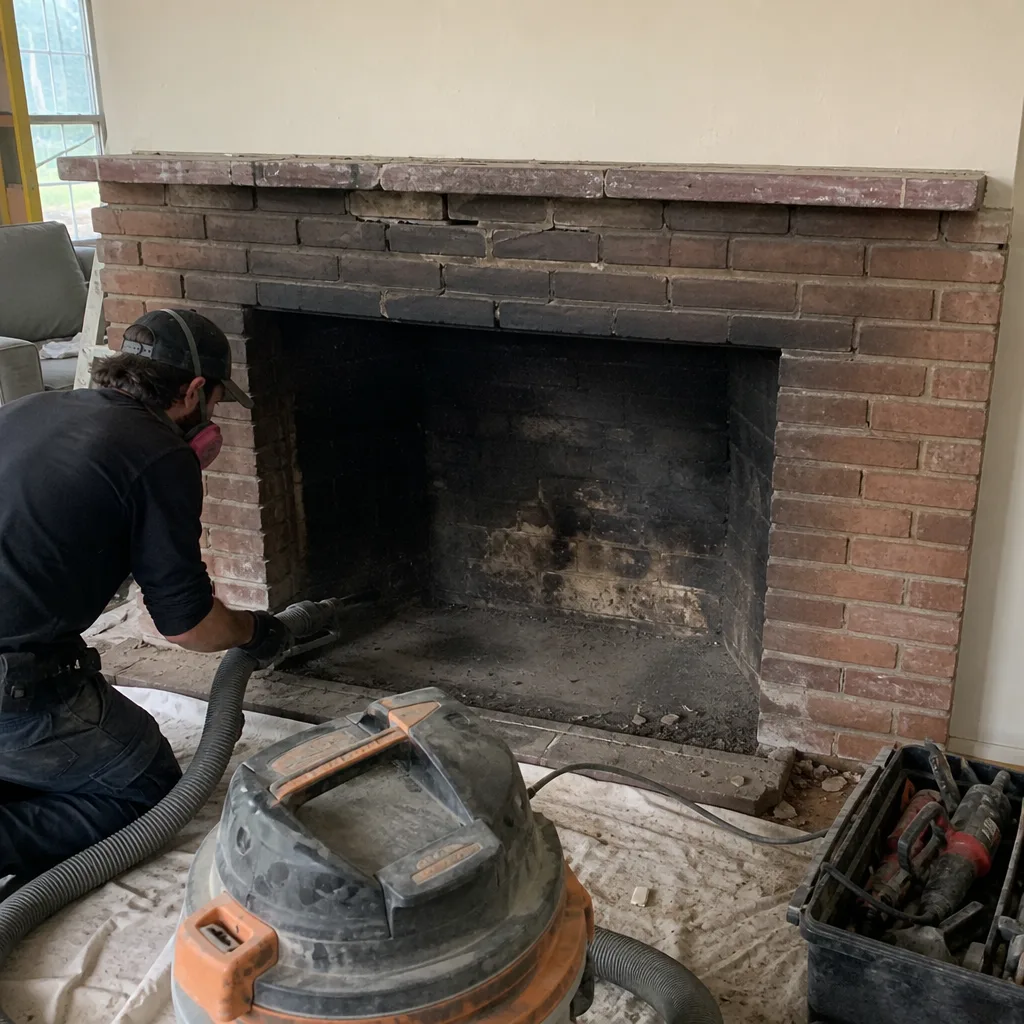
- Interior setup: The technician lays down drop cloths and positions a high-powered vacuum system to capture dust and soot before it enters the living space. The damper is checked for operation and rust.
- Flue inspection: The technician runs a camera through the flue from the firebox up to the crown. This identifies creosote buildup, liner cracks, blockages, and animal activity. You’re shown the footage or still images so you can see the condition with your own eyes.
- Sweeping: Specialized brushes sized to your flue dimensions remove creosote and soot from the walls. The process is mechanical, not chemical, and it’s done from the top down or bottom up depending on the chimney design.
- Cap and crown assessment: The technician climbs to the roofline to inspect the crown, cap, flashing, and spark arrestor. This is where moisture problems and ember vulnerabilities are identified.
- Report and recommendations: You get a clear summary of what was found, what was cleaned, and what needs attention. Nothing is recommended without camera evidence you can see for yourself. If the liner is cracked, you’ll be shown the crack. If the cap needs replacement, you’ll see the rust.
On the repair side, we carry industry-grade materials that a sweep-only company doesn’t stock. If the inspection reveals a damaged liner, we can discuss HeatShield resurfacing, which restores the flue interior without a full rebuild. If the damage is beyond resurfacing, a full reline may be the right call. We’ll walk through the options and give you a written estimate. The estimate is free. The final price is set by what we agree on in writing, not what a salesperson thinks you’ll pay.
Burning Season in Silver Lake: What Changes When You Use Your Fireplace
Silver Lake’s burning season is short and irregular. A few cold nights in December, maybe some damp days in January and February. Some years you’ll light fires twice a month for three months. Other years the fireplace stays dark from one winter to the next. That irregularity is exactly why consistent maintenance matters, because the creosote buildup from even light, occasional burning is still a fire hazard.
Here’s a numbered checklist for the burning season itself, whenever it happens to arrive:
- Before the first fire: Check the damper opens fully and closes securely. Look up the flue with a flashlight. If you see significant black, shiny buildup, or if you can’t see the flue walls at all through the soot, don’t light a fire until the flue is swept.
- Burn dry, seasoned wood only: Wet or green wood creates more creosote in a shorter period. Hardwood is better than softwood. Never burn painted wood, treated lumber, or trash. The chemical byproducts coat the flue and create toxic smoke.
- Keep fires moderate: Small, hot fires produce less creosote than large, smoldering ones. A roaring fire that fills the whole firebox is not better. It’s harder on the chimney.
- Use the spark screen: When the fire is going, keep the spark screen or glass doors closed. Sparks from the firebox can travel up the flue and out the top, which is exactly what you don’t want during Santa Ana season.
- After the season ends: Don’t just close the damper and forget about it. Schedule a post-season inspection or at least do a visual check for debris. The cap may have caught leaves and twigs during spring winds. The next fire season starts clean.
One more point about gas fireplaces. If you have a gas log set or gas fireplace insert, it produces less creosote than wood burning, but it’s not maintenance-free. Gas fireplaces still produce acidic moisture that corrodes liners over time, and the venting can become blocked by bird nests or debris. A gas fireplace chimney needs inspection as regularly as a wood-burning one. The risks are different but equally real.
Common Mistakes to Avoid
- Scheduling only in the fall. Silver Lake’s wettest period is winter and the most corrosive period is the June gloom stretch. By the time fall arrives, moisture and debris have had months to do damage. A spring or early summer sweep catches issues sooner.
- Ignoring the cap. The cap is the first line of defense against rain, debris, animals, and embers. A missing or damaged cap turns every Santa Ana event and every June gloom stretch into a slow-motion problem.
- Burning unseasoned wood. Wood that hasn’t dried properly creates hardened creosote faster than anything else. That shiny, tar-like glaze on the flue walls is a fire waiting to happen. Use dry hardwood and keep fires small.
- Assuming a gas fireplace needs no maintenance. Gas burns cleaner, but it still produces corrosive moisture and the venting still needs to be clear. The inspection schedule for a gas fireplace should match the one for a wood-burning fireplace.
- Waiting until you see a problem to address it. By the time you notice water stains on the ceiling, rust on the damper, or smoke backing into the room, the underlying issue has been developing for months or longer. The chimney doesn’t show symptoms early. The maintenance is what keeps it that way.
- Hiring a generalist instead of a chimney specialist. A general handyman or a general contractor may be able to look at a chimney, but they don’t carry the parts to fix what they find. A dedicated chimney company shows up with industry-grade materials from brands like Famco and can complete the repair on the spot, not schedule it for another day.
- Skipping the dryer vent. The dryer vent is part of the home’s venting system and it accumulates lint year-round. Silver Lake’s static summer air allows the lint to compact and harden, which creates a fire hazard. If you’re getting the chimney done, get the dryer vent checked too.
When to Call a Professional
Some chimney work can be done by a careful homeowner with a ladder and a flashlight. These are visual checks: looking at the crown, confirming the cap is in place, shining a light up the flue. But actual cleaning, inspection, and repair work is a professional job. You should call a professional if you see significant creosote buildup in the flue, if you hear animals inside the chimney, if you notice water stains near the roofline, if smoke is backing into the room during a fire, or if the damper won’t open and close freely.
You should also call if it’s simply been more than a year since the last inspection. The annual sweep is the most effective way to catch problems early. Chimney Sweep Silver Lake offers free estimates in Silver Lake. Call (866) 538-0809 for a chimney inspection or dryer vent cleaning. We answer 24/7. Fast dispatch from 7am to 7pm, Sunday through Friday.
Frequently Asked Questions
A standard chimney sweep and inspection in Silver Lake typically runs between $149 and $299 depending on the chimney’s height, accessibility, and the amount of creosote buildup. The final price is set by a written estimate before we start. If the inspection finds additional issues like crown damage or a cracked liner, those repairs are quoted separately and nothing is done without your approval. Call (866) 538-0809 for a free estimate.
Once a year is the standard recommendation for Silver Lake homes, regardless of how often you burn. The reason is that even light, occasional use produces enough creosote over 12 months to create a fire hazard. If you use the fireplace more than twice a week during winter, or if you’re burning wood that hasn’t been fully seasoned, schedule a sweep more frequently. The annual schedule catches debris, animal nesting, and moisture damage that occur even when the fireplace is never used.
The honest answer is that you need to see the evidence. A cracked or deteriorating liner is a legitimate safety issue because it allows heat and combustion gases to reach the surrounding masonry and wood framing. But you shouldn’t take the word of anyone who tells you the liner needs replacing without showing you the crack on camera or in photographs. We show you exactly what we see. If the liner is intact and the damage is limited to minor spalling, we’ll tell you that. If it needs work, we’ll show you why.
What happens depends on how much you use the fireplace and the condition of your chimney. Creosote accumulates, which increases the risk of a chimney fire. Debris and nesting animals block the flue, which prevents proper venting and can send carbon monoxide into the house. Moisture gets into cracks and causes the damage to spread. The risks compound. The annual sweep is the cheapest insurance you can buy against the most expensive repair categories in chimney work.
No, not when it’s done correctly. We use drop cloths and high-powered vacuum systems that capture dust and soot before it enters the living space. The procedure is contained. You shouldn’t have to clean your house after a professional sweep. If a company tells you to cover everything in plastic before they arrive, that’s a sign their equipment isn’t up to the task.
You can, but it’s rarely worthwhile and it doesn’t replace an inspection. Hardware store brushes are often the wrong diameter for your flue, which means they leave creosote behind. More importantly, sweeping your own chimney doesn’t include the camera inspection that identifies liner cracks, crown damage, and blocked venting. The reason to hire a professional is the inspection, not just the brushing. If you can’t see inside the flue with a camera, you’re sweeping blind.
Yes. Even a fireplace that sits unused all year needs an inspection because the chimney is still exposed to weather, animals, and debris. An uncapped flue in Silver Lake collects leaves and twigs during Santa Ana events and absorbs moisture during the marine layer months. The structure deteriorates whether you burn fires or not. And if you ever sell the home, a buyer’s inspector will flag any chimney damage. The annual check keeps the structure sound regardless of usage.
The Bottom Line
Silver Lake’s climate means your chimney has a different risk profile than the one that standard seasonal advice assumes. The rainy season is short but intense. The marine layer months are quietly corrosive. Santa Ana winds drive debris and embers into uncapped flues. The result is that moisture management and cap integrity matter as much as creosote removal. The annual sweep isn’t just about fireplace use. It’s about keeping the entire structure sound through weather cycles that slowly break down mortar, metal, and liner material. Get an inspection once a year, ideally in spring or early summer. Check your cap, crown, and flashing before the seasons shift. And when it’s time to do the work, call a specialist who carries the materials to fix what they find.
Written by the team at Chimney Sweep Silver Lake, serving Silver Lake since 2013.
See the difference
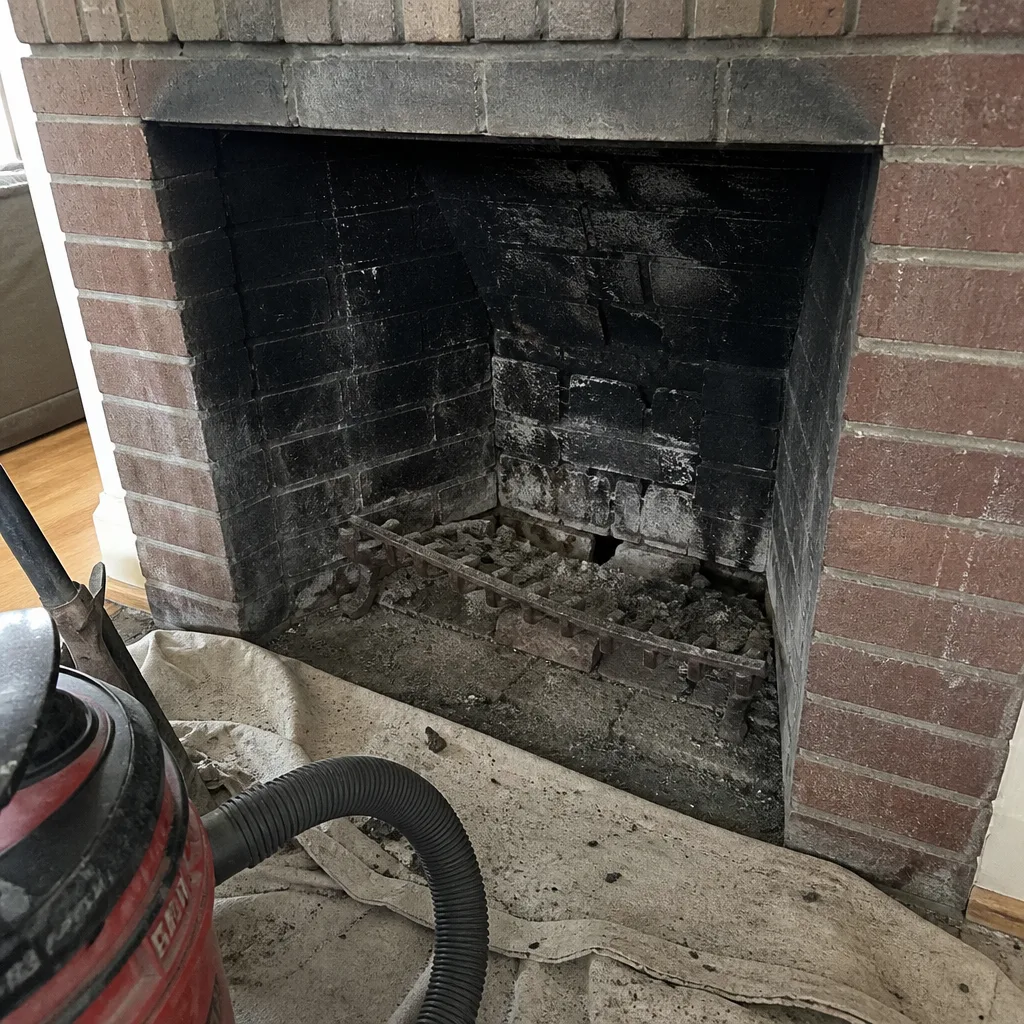 Before
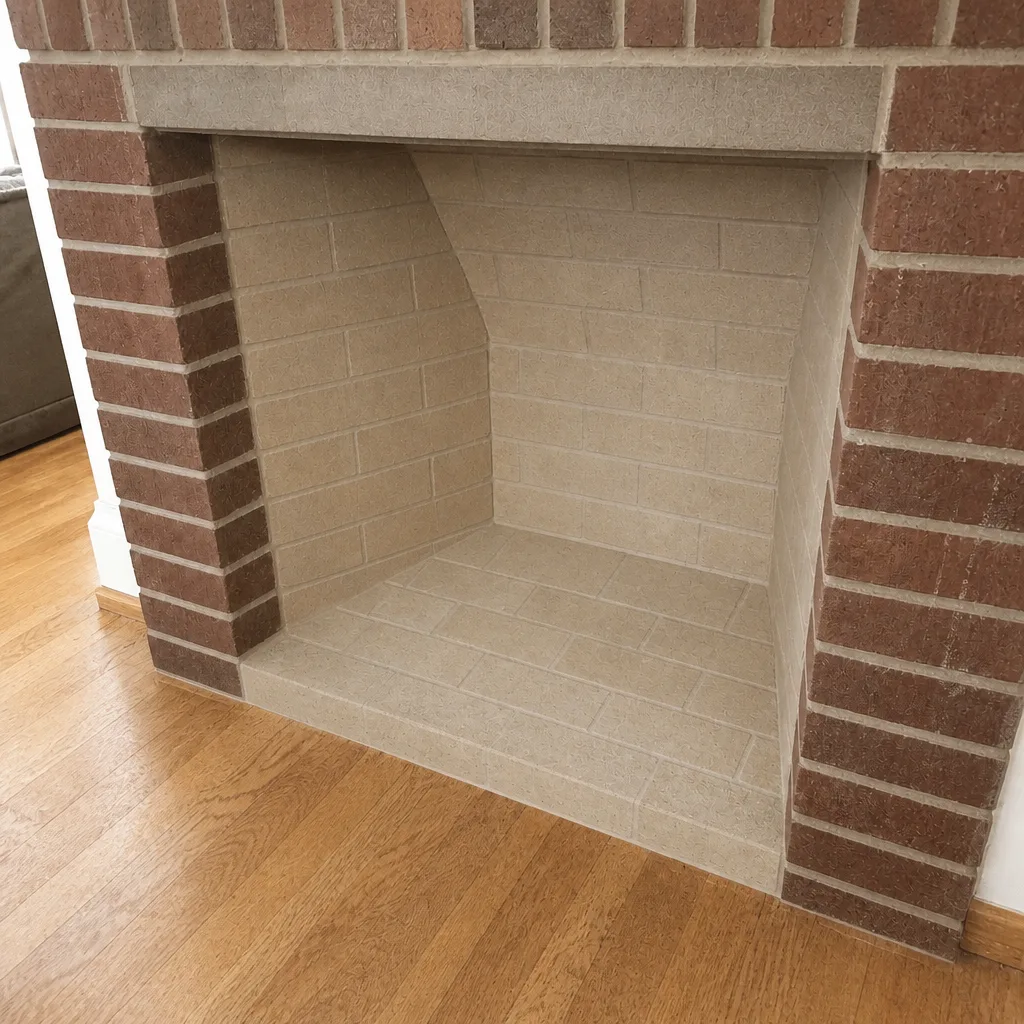 After
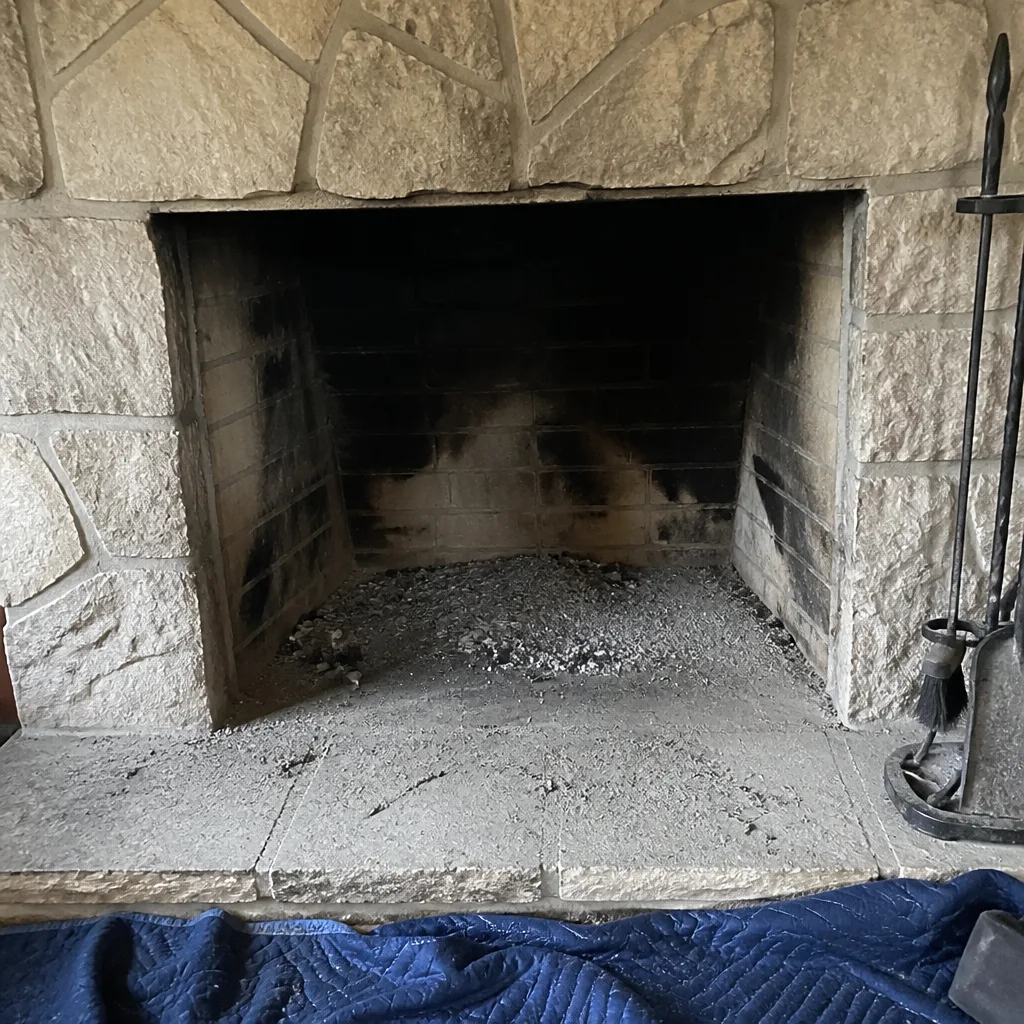 Before
 After
 Before
 After