
Last updated November 4, 2026
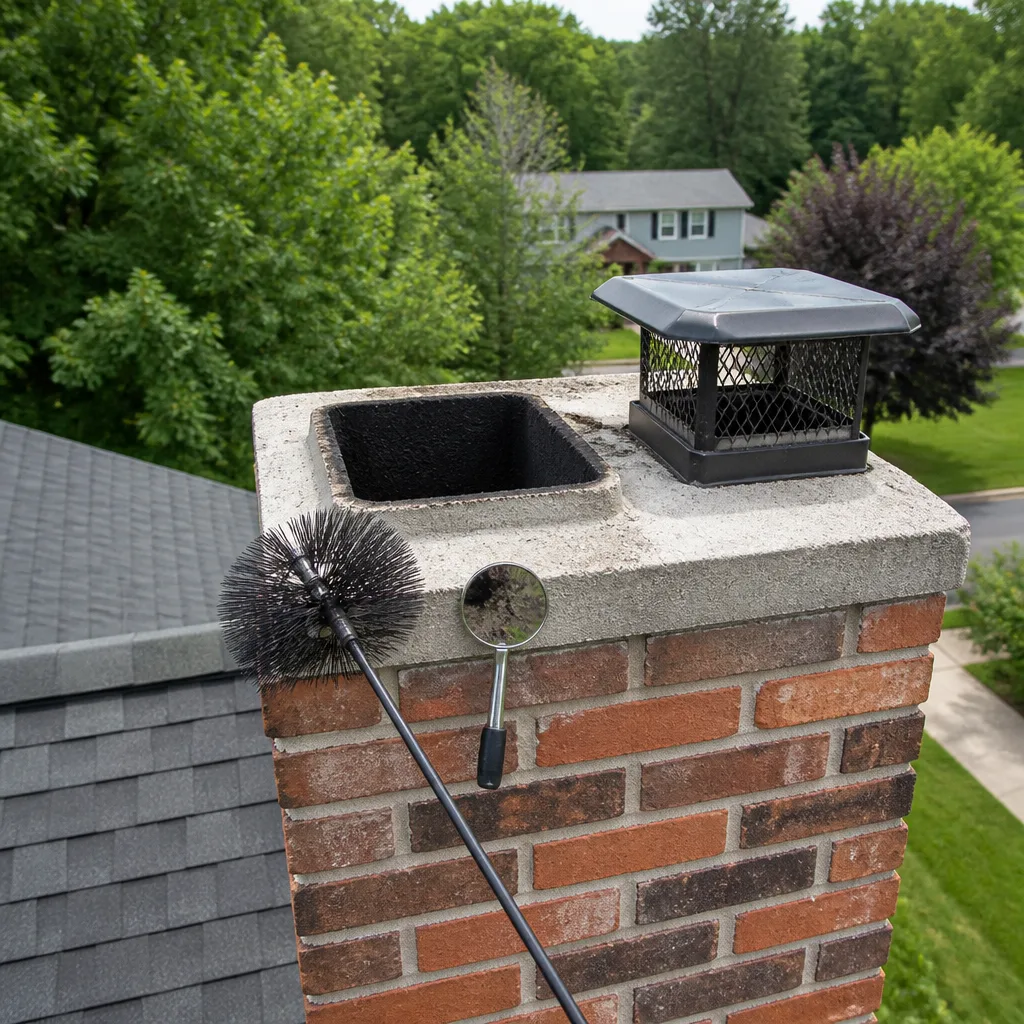 Sweep & inspection
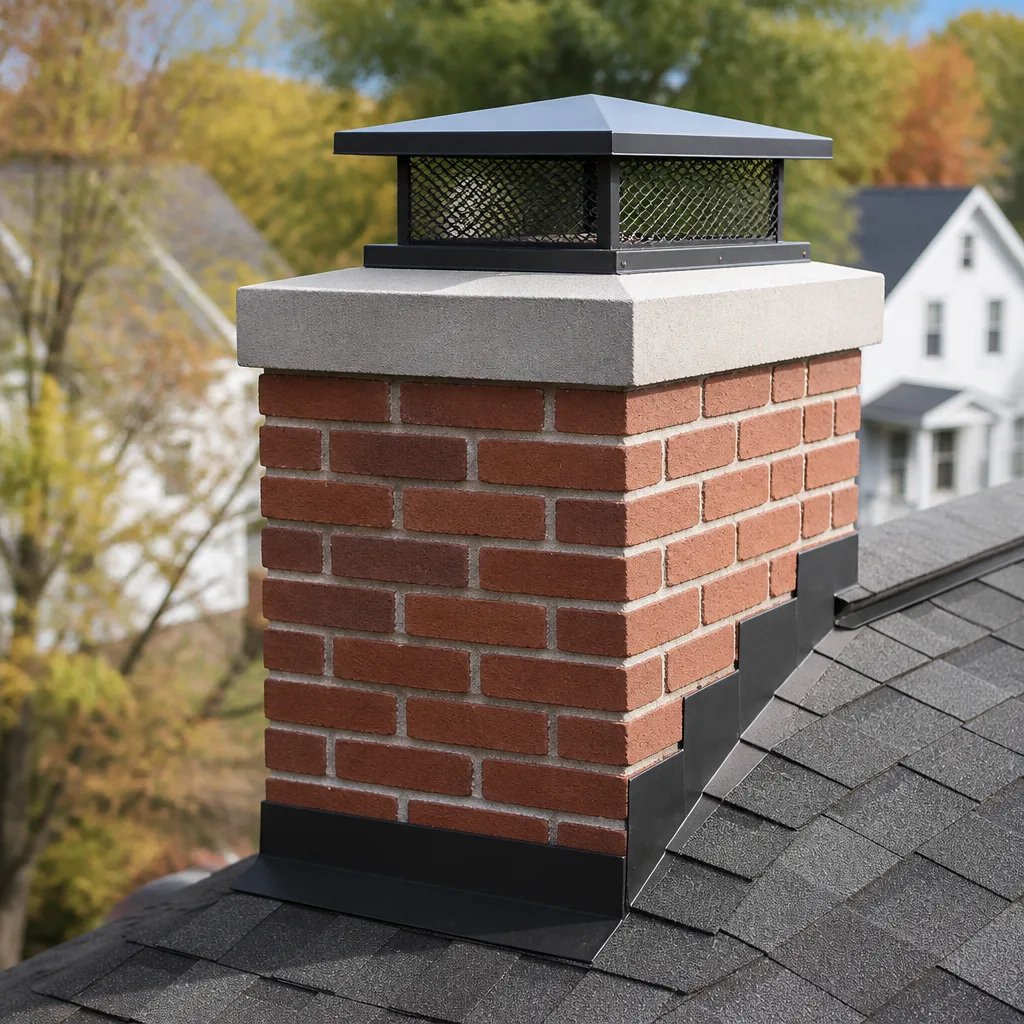 Caps & crowns
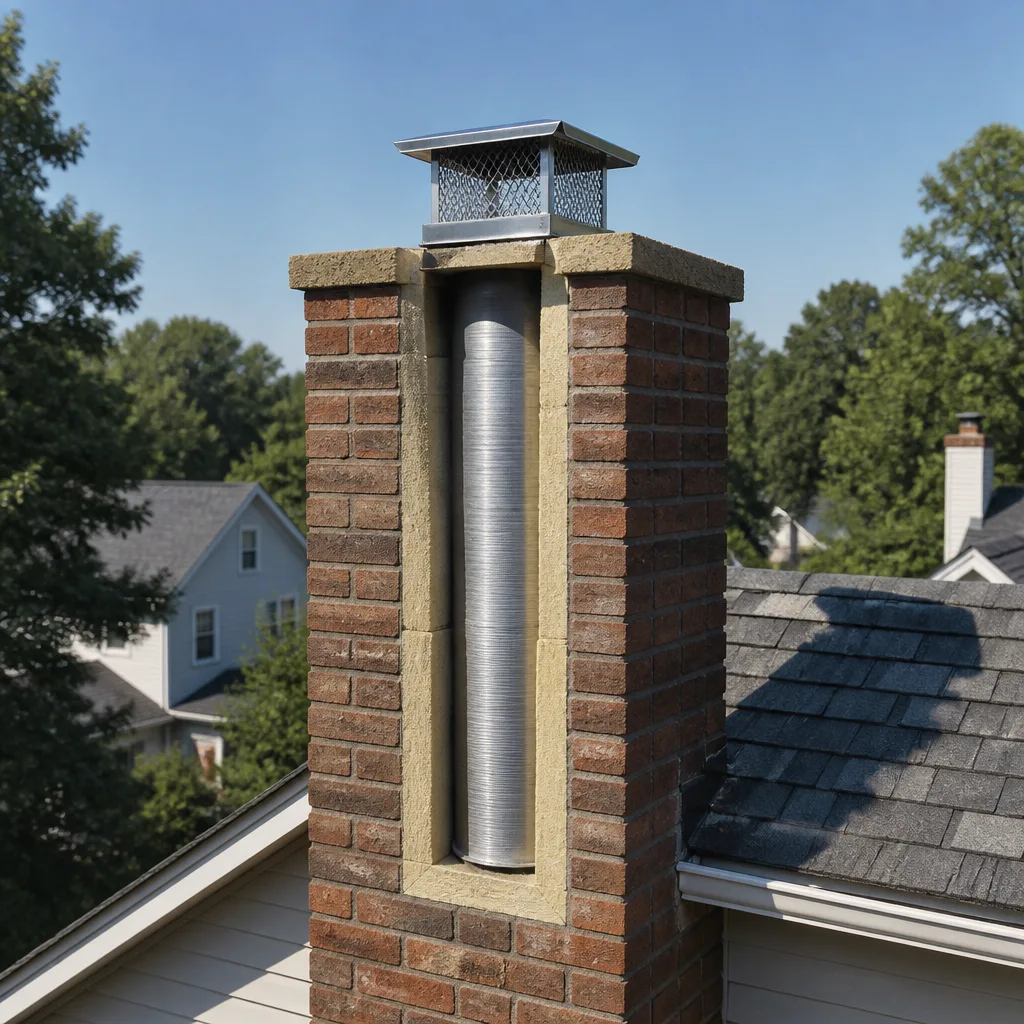 Flue relining
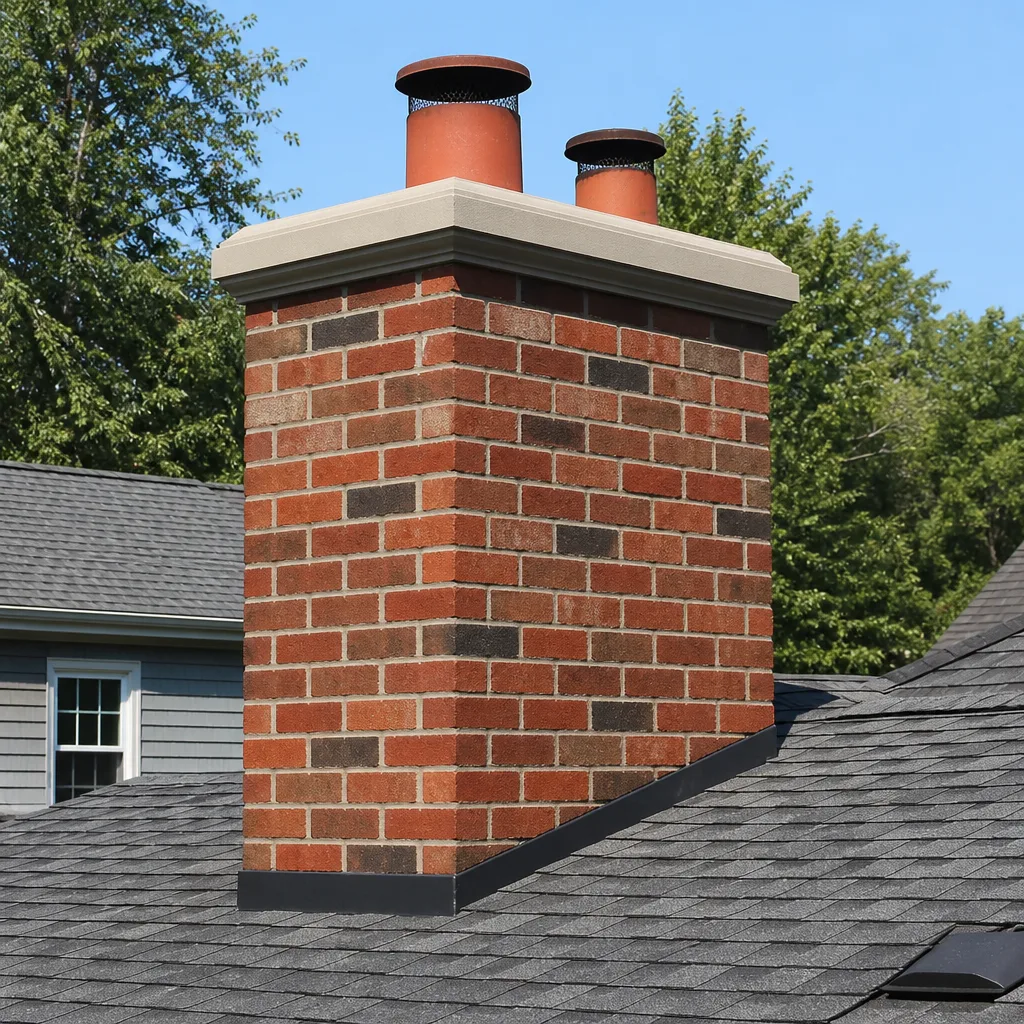 Masonry repair
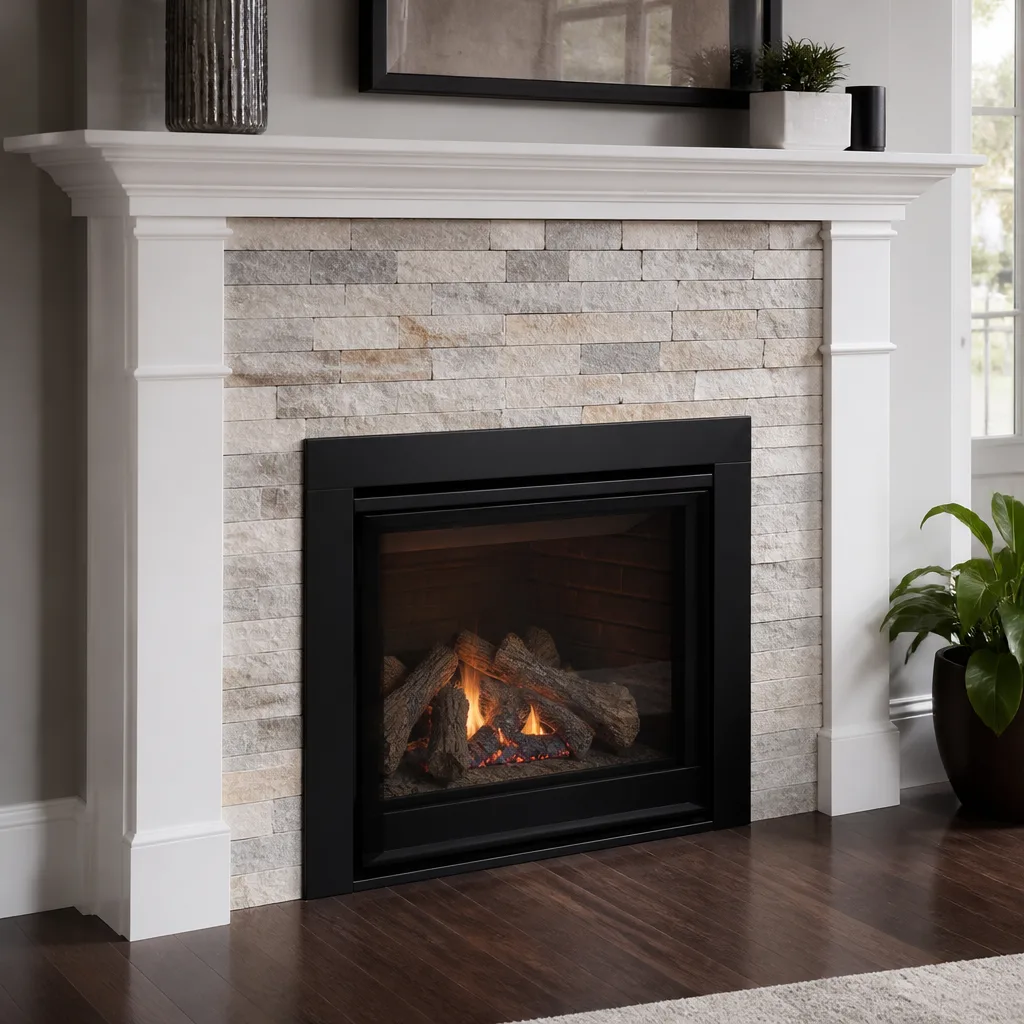 Gas fireplace service
Level 1 sweep and inspection to the NFPA 211 annual standard - flue, crown, cap, and flashing checked and photographed
Chimney sweep logs do not sweep chimneys. They loosen some creosote - which then falls where a brush and vacuum still have to collect it.
Chimney Cleaning Emergency Preparedness Guide for Silver Lake Homes
Most chimney emergencies in Silver Lake don’t announce themselves with flames shooting out the top. They start quietly: a dull rumble in the flue, a hot smell like a wood stove left on too long, or a crack in the mortar you’ve been meaning to look at since last winter. The neighborhood’s hillside lots, narrow streets, and pre-1960 construction combine with Santa Ana wind events to create a fire-response environment where minutes genuinely matter. This guide covers what to do before, during, and after a chimney fire or structural failure, with specific attention to what makes Silver Lake different from flat suburban markets. You’ll learn the real-time signs of an active chimney fire, the exact sequence of actions to take, why liner material matters, and what documentation protects you after the event.
Styles & brands we work with
- Sweep & inspection
- Caps & crowns
- Flue relining
- Masonry repair
- Gas fireplace service
Quick Answer
A chimney emergency in Silver Lake requires three immediate actions: close the damper if you can do so safely, evacuate everyone from the house, and call 911 from outside. Do not attempt to extinguish a chimney fire yourself. Chimney fires burn at temperatures that compromise structural integrity within minutes, and Silver Lake’s hillside topography means fire can spread to adjacent vegetation faster than in flat neighborhoods. After the immediate threat is over, the chimney cannot be used again until a Level 2 inspection confirms it is structurally sound.
Table of Contents
- Signs of an Active Chimney Fire in Real Time
- What to Do in the First Two Minutes
- Why Liner Material Matters Before an Emergency
- Pre-Season Emergency Prep for Santa Ana Conditions
- Documenting the Damage: What to Record Before Cleanup
- Post-Event Inspection Requirements in Silver Lake
- Prevention: The Emergency That Never Happens
- Common Mistakes to Avoid
Signs of an Active Chimney Fire in Real Time
A chimney fire is not subtle once it gets going. The problem is that many homeowners in Silver Lake have never heard one, so they misinterpret the sound as wind or a particularly aggressive fire in the firebox. Here’s what to listen and look for.
An active chimney fire often produces a low, continuous rumble or roar that sounds like a freight train idling at a distance, or a jet engine passing overhead but never fading. It is loud enough to hear through the walls of an older Silver Lake Craftsman. Some residents describe it as a crackling that builds in intensity, not the normal pop of burning wood.
Visually, you may see flames or dense smoke escaping from the chimney cap area. The smoke from a chimney fire is typically darker and thicker than a normal wood fire. Inside the house, the chimney chase or surrounding wall may feel hot to the touch. In two-story hillside homes, the chase runs through an upper bedroom; that wall should never be hot during a normal fire.
- Rumbling or roaring sound from the flue that does not stop when you close the damper.
- Flames or heavy black smoke visible at the chimney top, beyond the normal wood smoke.
- Intense heat radiating from the chimney structure inside the home.
- Hot embers or burning debris falling onto the roof or into the yard.
- A chemical or acrid smell distinctly different from normal wood smoke.
If you notice any single one of these signs, treat it as an active chimney fire. The margin for error in Silver Lake is thinner than elsewhere: LACFD response times can stretch longer when call volumes spike during red flag days, and a chimney fire in a hillside home with mature shrubs nearby has a direct path to a structure fire.
What to Do in the First Two Minutes
The sequence matters. People lose valuable time trying to save the house with a garden hose or running back for a phone. Here is the exact order of operations we train our team on and recommend to every chimney sweep customer in the area.
- Close the damper if you can reach it safely. This cuts the oxygen supply to the firebox and can slow the chimney fire. If the handle is metal and the firebox is accessible, close it. If heat or smoke prevents you from reaching it, skip to step two. Never reach through flames to close a damper.
- Close the fireplace doors or glass screen if your unit has them. This further starves the fire of air. Do not spray water into the firebox; the steam can crack the firebrick and send burning debris into the room.
- Evacuate everyone from the house immediately. Get every person and pet out. Do not stop for valuables. Do not go upstairs for a photo of the chimney. Out, now.
- Call 911 from outside the house. Tell the dispatcher you have a possible chimney fire and give your exact address. Silver Lake’s narrow roads and tight hillside turns mean every minute of lead time helps the engine crew pick a viable route.
- Move vehicles away from the driveway apron if you can do so without re-entering the house. Fire engines need the room to stage.
- Stay outside and wait for the fire department. Do not re-enter for any reason. Chimney fires can smolder inside the flue and re-ignite minutes after they appear to be out.
One thing we hear from homeowners after an incident: they felt silly calling 911 because the fire seemed small. A chimney fire is a structure fire event. The fire department would rather be called for a chimney fire that burns itself out than respond fifteen minutes later to a roof fully involved.
Why Liner Material Matters Before an Emergency
Most Silver Lake homes built before 1960 have one of two chimney liner situations: a terra cotta clay flue tile system, or no liner at all. Homes built after the 1970s may have metal liners. Each fails differently under fire conditions, and knowing which one you have changes what you monitor.
Terra cotta liners crack under rapid temperature change. During a chimney fire, the clay tiles heat unevenly: the inner face expands faster than the outer face, and the tile splits. Once a crack opens, heat escapes into the chimney chase, the framing, and any nearby combustible materials. This is how a chimney fire becomes a house fire. A terra cotta liner that has already been cracked by an earlier chimney fire or decades of thermal cycling is more vulnerable going into the next event.
Metal liners, particularly stainless systems like DuraFlex, handle rapid temperature swings better than clay. They expand as a unit and rarely crack from thermal shock alone. But they can still fail: warping under extreme heat, separation at the joints, or corrosion that weakens the wall over years of use. A corroded metal liner is thinner than the manufacturer intended, which reduces its fire rating below the original spec.
If you do not know what your liner is made of, find out before fire season. A Chimney Sweep Silver Lake technician can identify the liner material during a routine inspection and tell you whether it has damage that would complicate a chimney fire event. The goal is not to alarm; it’s to give you the information you need to make an honest decision about whether your chimney is ready for another burn season.
Pre-Season Emergency Prep for Santa Ana Conditions
Red flag warnings in Silver Lake are the signal to take chimney preparation seriously. The National Weather Service issues them when low humidity, high winds, and warm temperatures combine into extreme fire weather, and the Santa Ana pattern delivers exactly that to the hillsides around the reservoir. Here is what to check before the next red flag warning, not during it.
- Verify the chimney cap is intact and properly secured. A missing or damaged cap allows hot embers to escape the flue and land on your roof or in dry vegetation. In Santa Ana winds, embers travel.
- Clear the roof and gutters of leaf litter and pine needles within fifteen feet of the chimney. Silver Lake’s mature oaks and eucalyptus drop more material than homeowners expect, and that material is kindling by early fall.
- Trim branches that overhang the chimney or come within ten feet of it. Santa Ana winds will bend branches into the flue path and scatter embers.
- Schedule a pre-burn-season cleaning if you have burned more than a dozen fires since the last sweep. Creosote accumulation is the fuel a chimney fire needs, and a clean flue is dramatically less likely to support sustained burning.
- Check the damper operation. If the damper does not close fully or the handle binds, fix it before you need it in an emergency. A stuck damper leaves you with no way to cut oxygen to a chimney fire.
- Verify fire extinguishers are accessible and rated for the room where the fireplace is. An extinguisher is not for fighting a chimney fire, but it can suppress a fire that spreads to the hearth area in the first seconds.
During a red flag warning, consider not using the fireplace at all. The risk calculus changes: if a chimney fire starts during a Santa Ana event, the time from chimney fire to structure fire to wildland-adjacent fire compresses rapidly. Silver Lake homes sit on hillsides where fire moves uphill and with wind, both of which apply during Santa Ana conditions.
Documenting the Damage: What to Record Before Cleanup
After the fire department clears the scene, the instinct is to start cleaning. Resist it. The evidence you document in the first hours after a chimney fire determines whether your insurance claim processes smoothly and whether a repair contractor can correctly diagnose the damage.
Take photos before anything is moved or cleaned. Photograph the firebox, the damper, the chimney crown, the cap, the exterior chase, and any smoke staining on interior walls. Take wide shots and close-ups. Photograph the roof around the chimney from the ground with a zoom lens, and from a ladder only if you can do so safely. If the fire department left a report or case number, record it. If they used water or chemicals inside the chimney, document that too, because it affects how the repair estimate is calculated.
Pull together the paperwork you’ll need: your homeowner’s insurance policy number, photos of the chimney from before the event if you have them, and the date of your last chimney cleaning or inspection. Silver Lake homes often change hands with older chimneys that have limited service history; anything you can produce helps establish the baseline.
For Los Angeles Department of Building and Safety purposes, the repair work after a chimney fire typically requires a permit, and the inspector will want a written record of what was found and what was repaired. Documenting the post-fire condition before demolition or cleanup preserves the information LADBS and your insurer need. We can work with your insurer on the repair scope, but the initial documentation is yours to control, and it cannot be recreated after the fact.
Post-Event Inspection Requirements in Silver Lake
A chimney cannot be used again after a chimney fire until a Level 2 inspection has been completed. This is not a suggestion; it is the standard of care for the chimney industry, and it is the point where many Silver Lake homeowners make a costly mistake by assuming the fire was minor and resuming normal use.
A Level 2 inspection goes beyond the visual-only Level 1 check. It includes a camera scan of the entire flue interior, from the firebox to the chimney crown. The camera reveals cracks in terra cotta liners, separation in metal liners, damage to the mortar joints, and creosote deposits that the naked eye cannot see from the top or bottom. In a hillside home where the chimney may be 25 feet tall or more, a camera scan is the only way to inspect the full flue path.
The Level 2 inspection answers specific questions: Is the liner intact, or does it need resurfacing or full replacement? Has the chimney structure shifted or cracked? Are there voids in the masonry where heat escaped? Is the clearance to combustible framing still adequate? Without these answers, every subsequent fire in that fireplace is a gamble.
If the liner is damaged but the structure is sound, a product like HeatShield can resurface the existing flue rather than tearing out the chimney. If the damage is more extensive, a full reline with a system like DuraFlex replaces the liner entirely. The point is that the repair decision follows the camera evidence, not a guess from the ground. We’ve seen chimneys that looked fine from the outside and had a three-foot vertical crack hidden in the upper third of the flue. The Level 2 inspection is what finds it.
Prevention: The Emergency That Never Happens
The most effective emergency preparedness is not having the emergency. For Silver Lake homeowners, prevention breaks down into three practical habits, and none of them are complicated.
Have the chimney swept on a schedule, not on a hunch. The old rule of thumb was every cord of wood or every year, whichever comes first. Modern guidance is more nuanced: a Level 1 inspection annually and a sweep when creosote reaches 1/8 inch of accumulation. The inspection finds the problem before it is an emergency; the sweep removes the fuel. Homes in Silver Lake that burn unseasoned wood or burn frequently through the winter may need sweeping more often.
Burn dry wood only. Wet or unseasoned wood produces more creosote per fire. Seasoned hardwood burns hotter and leaves less residue in the flue. If your wood smolders, hisses, or produces heavy smoke, it is too wet. Store wood off the ground and covered on top but open on the sides for airflow. Silver Lake’s dry summers actually help wood season well if it is stacked properly.
Do not ignore the signals. A damper that sticks, a firebox with cracked firebrick, a chimney cap that is missing, or a fireplace that smokes back into the room each year: these are not quirks. They are the early warnings that a bigger event is coming. If a chimney inspection reveals cracked tiles or a damaged liner, the repair is always less expensive and less disruptive before a chimney fire than after one. This is also true for your home’s exhaust systems beyond the fireplace. Dryer vent cleaning is part of the same emergency-prevention philosophy: clear vent paths, clear flues, and no accumulation in the places where heat and lint and creosote become fuel.
The full chimney inspection is not a scare tactic. It is the cheapest insurance a Silver Lake homeowner can buy against the day the Santa Ana winds line up with a dirty flue and a hot fire.
Common Mistakes to Avoid
- Fighting the chimney fire with water. Water thrown into a hot firebox produces steam that can crack firebrick and liners instantly. It also risks sending burning material into the room. Close the damper, evacuate, call 911.
- Assuming the fire is out because the noise stopped. Chimney fires smolder inside the flue and can reignite minutes after the visible flames disappear. Only the fire department can confirm the event is fully out.
- Using the chimney again after a fire without an inspection. A chimney fire is not a free cleaning. The liner may be compromised even if the fire was small and brief. The next fire can escape through a crack the previous fire created.
- Ignoring red flag warnings because “it’s just windy.” Santa Ana winds fundamentally change the risk profile of every open flame in Silver Lake. A chimney fire that would be contained in calm weather becomes a different event entirely under red flag conditions.
- Waiting until fall to think about the chimney. By the time the first cold snap arrives, the chimney companies in Silver Lake are booked out. A pre-season inspection in late summer or early fall gives you time to repair before burn season, not during it.
- Skipping the chimney cap. A missing cap is not cosmetic. It allows embers, rain, leaves, and animals into the flue. During Santa Ana events, it allows embers out. A simple cap is one of the cheapest fire-safety upgrades a Silver Lake homeowner can make.
- Assuming an old chimney is grandfathered and fine. Silver Lake’s housing stock includes chimneys that have been in service since the 1920s. Age is not a safety feature. Clay liners crack over time even with normal use, and a 90-year-old chimney has eliminated its margin for error.
When to Call a Professional
Some chimney work is genuinely do-it-yourself. A visual check of the firebox for obvious damage, keeping the hearth clear, and using dry wood are all homeowner-level tasks. But the following scenarios call for a professional, and calling early is always cheaper than calling late. If you suspect a chimney fire has occurred even if it seemed minor, schedule a Level 2 inspection before the next fire. If you see cracks in the firebox or hear loose mortar falling inside the flue, stop using the fireplace. If the damper binds or doesn’t close, fix it before burn season. If you smell smoke inside the house when the fireplace is not in use, that is a sign of a draft or liner issue. If your chimney cap is missing or damaged, replace it. And if you just bought a Silver Lake home with a fireplace and have no service history, schedule an inspection before the first fire. Silver Lake homeowners can call (866) 538-0809 for a free estimate on inspection, sweeping, repair, or relining work.
Frequently Asked Questions
Close the damper if you can reach it safely, close the fireplace doors or screen, evacuate everyone from the house, and call 911 from outside. Do not attempt to fight the chimney fire yourself. If the damper is inaccessible due to heat or smoke, skip it and evacuate. The fire department will handle the rest.
Silver Lake’s hillside topography, narrow winding streets, mature vegetation, and older housing stock combine to make chimney fire response more complicated than in flat neighborhoods. A chimney fire in a hillside home can spread to adjacent vegetation faster, and engine access on tight streets delays response. Santa Ana winds during red flag warnings multiply the risk. This makes pre-season preparation more important in Silver Lake than in a flat suburban area.
No. A chimney cannot be used again after a chimney fire until a Level 2 inspection confirms the liner, masonry, and clearances are intact. Chimney fires can cause hidden damage that looks fine from the outside but fails catastrophically on the next fire. The Level 2 camera inspection is the only way to know.
Most Silver Lake homeowners should have a Level 1 inspection annually and a sweep when creosote reaches 1/8 inch of accumulation or more. Homes that burn frequently or burn unseasoned wood may need sweeping more often. A professional can measure the creosote and tell you whether a sweep is due or whether it can wait another season.
Most homeowner’s insurance policies cover chimney fire damage, but the claim process depends heavily on documentation. Photograph everything before cleanup, record the fire department case number, and keep your last inspection or sweep receipt. A documented maintenance history strengthens the claim. Without photos taken before cleanup, the insurer has less evidence of the full scope of damage.
A Level 1 inspection is a visual check of the accessible portions of the chimney, the firebox, and the damper. It is appropriate for routine annual maintenance. A Level 2 inspection adds a camera scan of the full flue interior and is required after a chimney fire, after an earthquake, when changing fuel types, or when buying a home with an unknown chimney history. The camera in a Level 2 inspection finds damage that a visual check cannot. Call (866) 538-0809 to schedule one.
The Bottom Line
Chimney emergency preparedness in Silver Lake comes down to knowledge and habit: know the signs of a chimney fire, know what your liner is made of, know the evacuation sequence cold, and keep the chimney clean and inspected before the Santa Ana winds arrive. The difference between a chimney fire that is a scary afternoon and a chimney fire that becomes a house fire is often measured in the same decisions: close the damper, evacuate without delay, call 911 from outside, and refuse to use the chimney again until a Level 2 inspection clears it. For our part, Silver Lake homeowners can call (866) 538-0809 for a free estimate on chimney sweeping, inspection, repair, or relining. We answer 24/7. Fast dispatch from 7am to 7pm, Sunday through Friday.
Written by the team at Chimney Sweep Silver Lake, serving Silver Lake since 2013.
See the difference
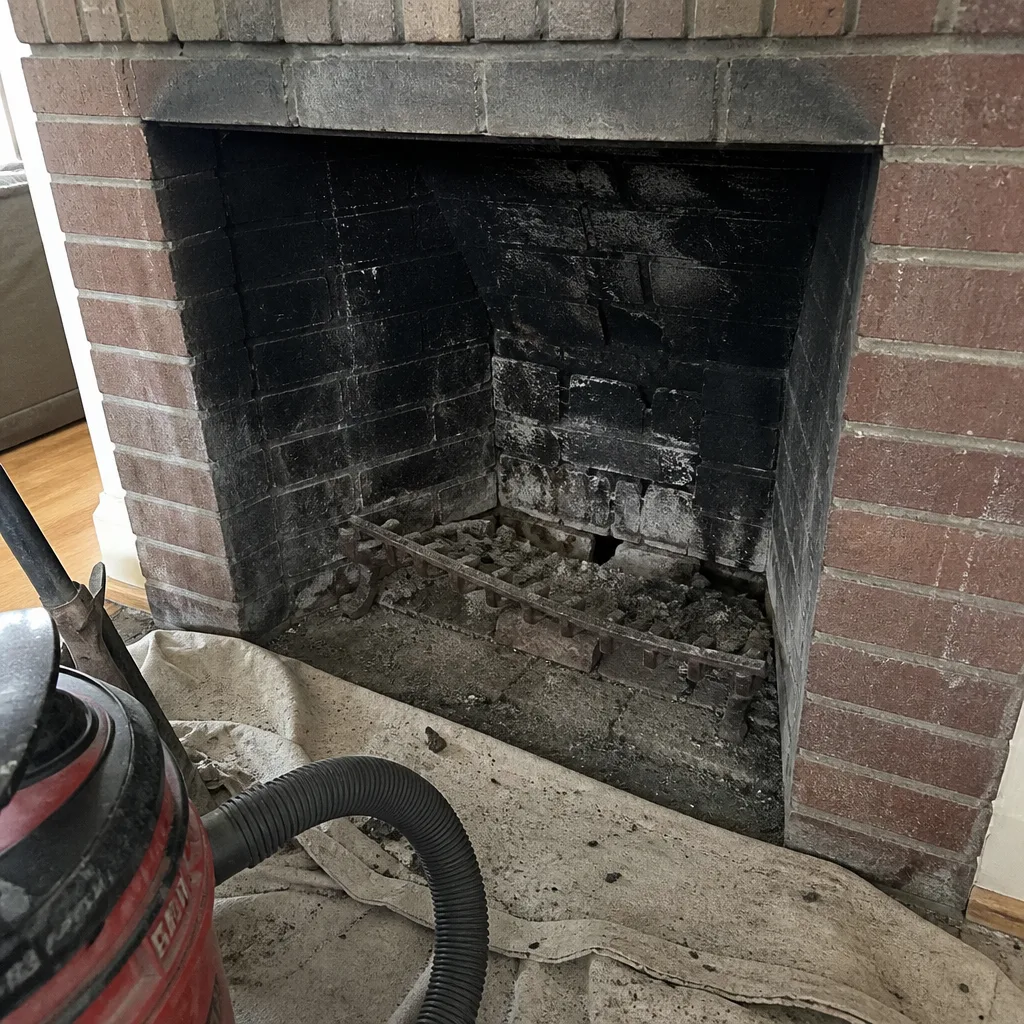 Before
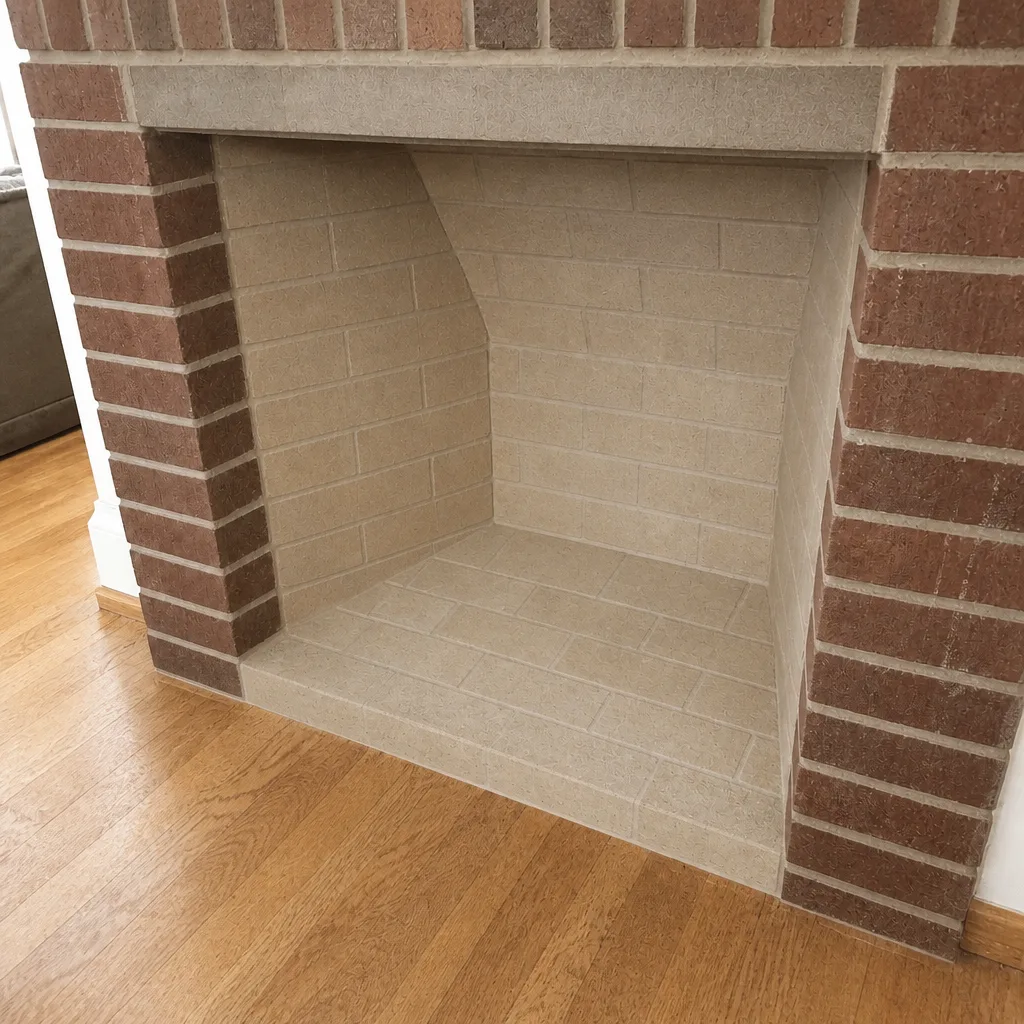 After
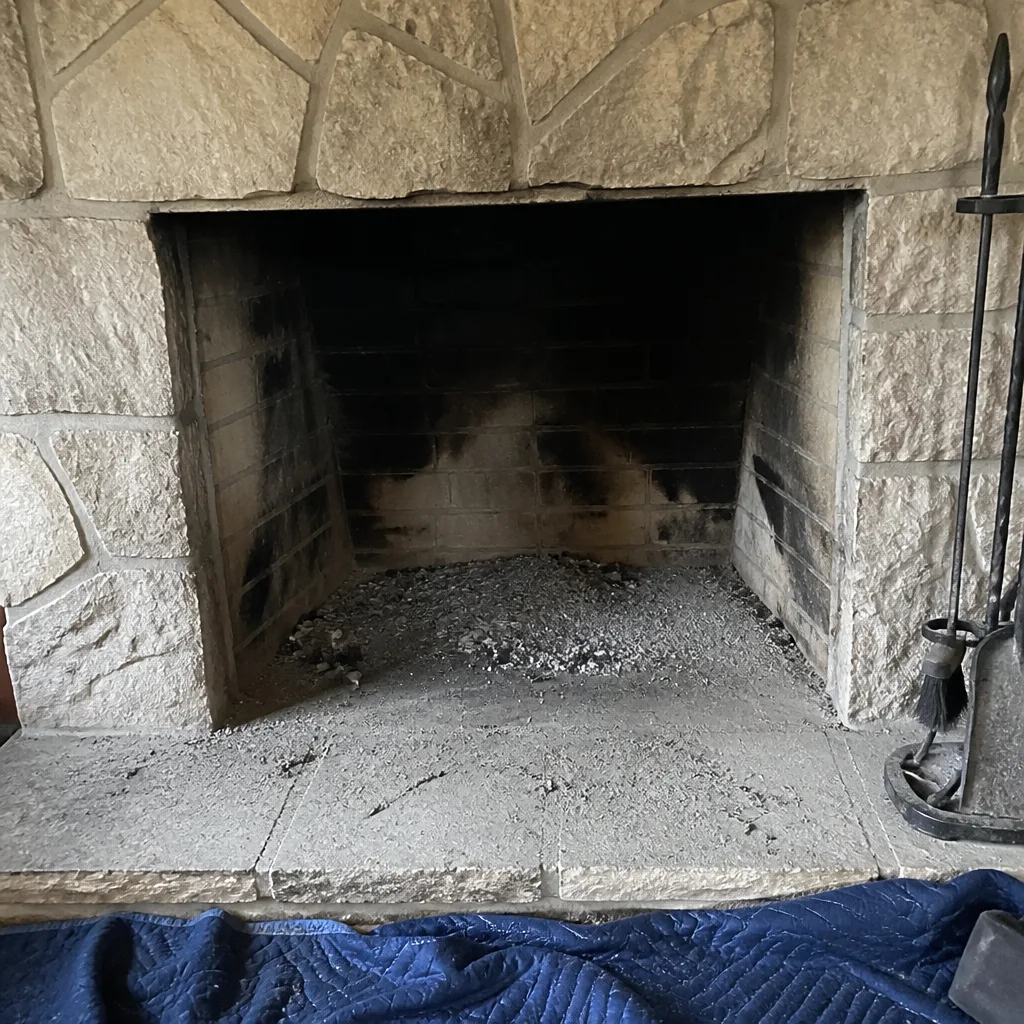 Before
 After
 Before
 After