
Last updated November 4, 2026
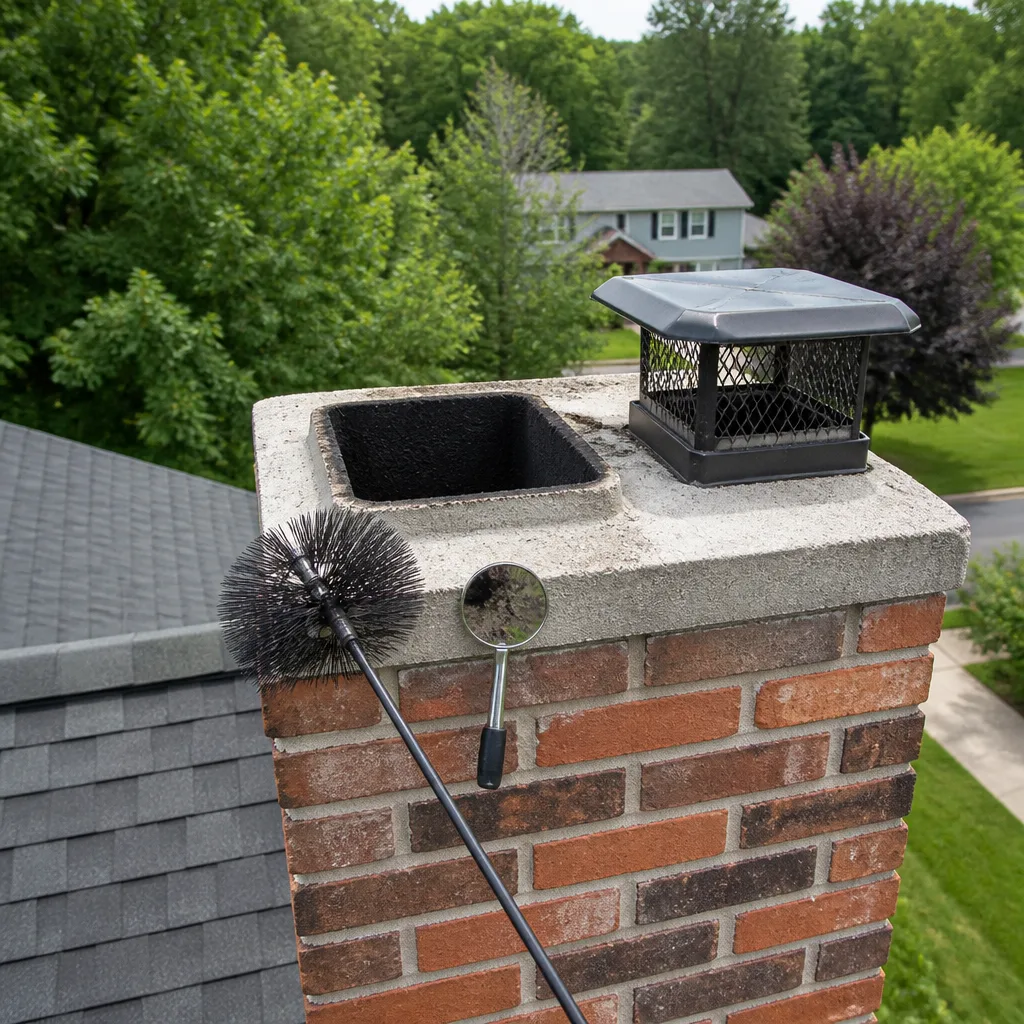 Sweep & inspection
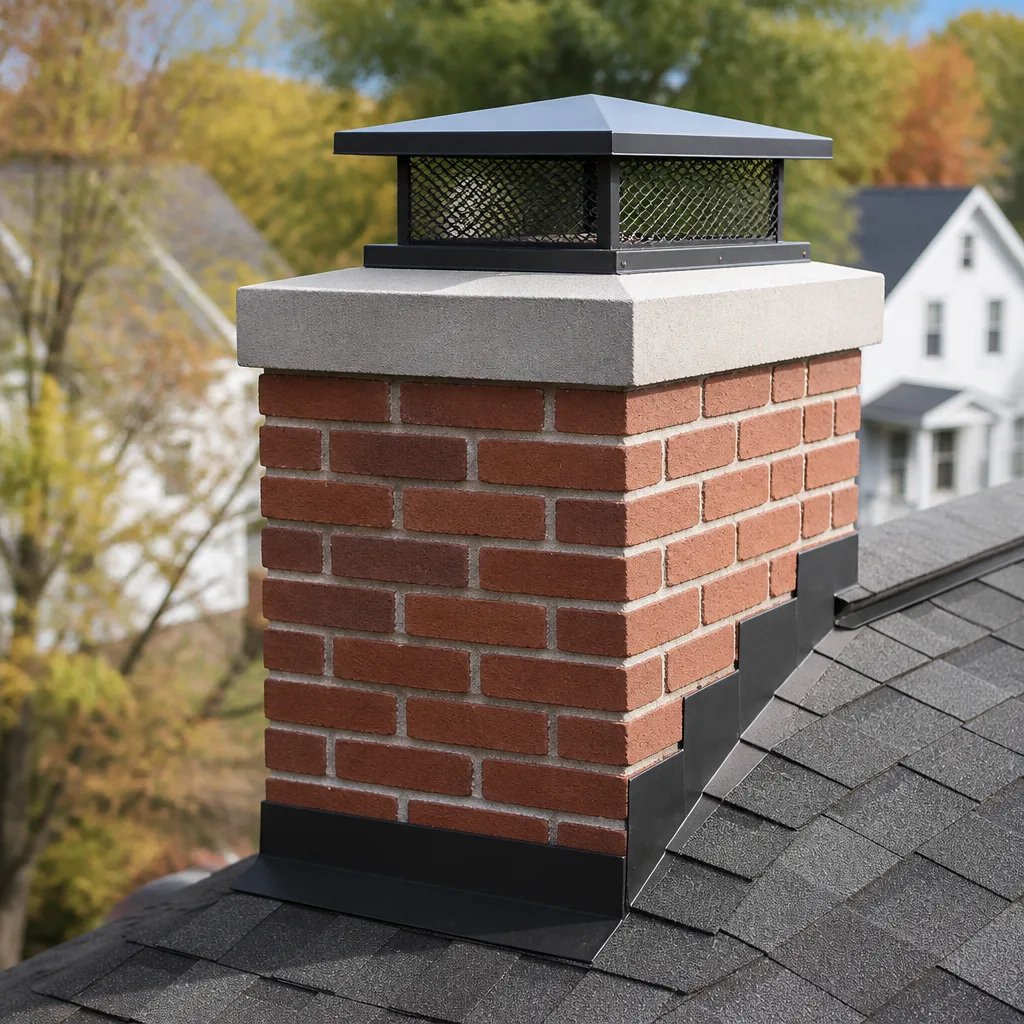 Caps & crowns
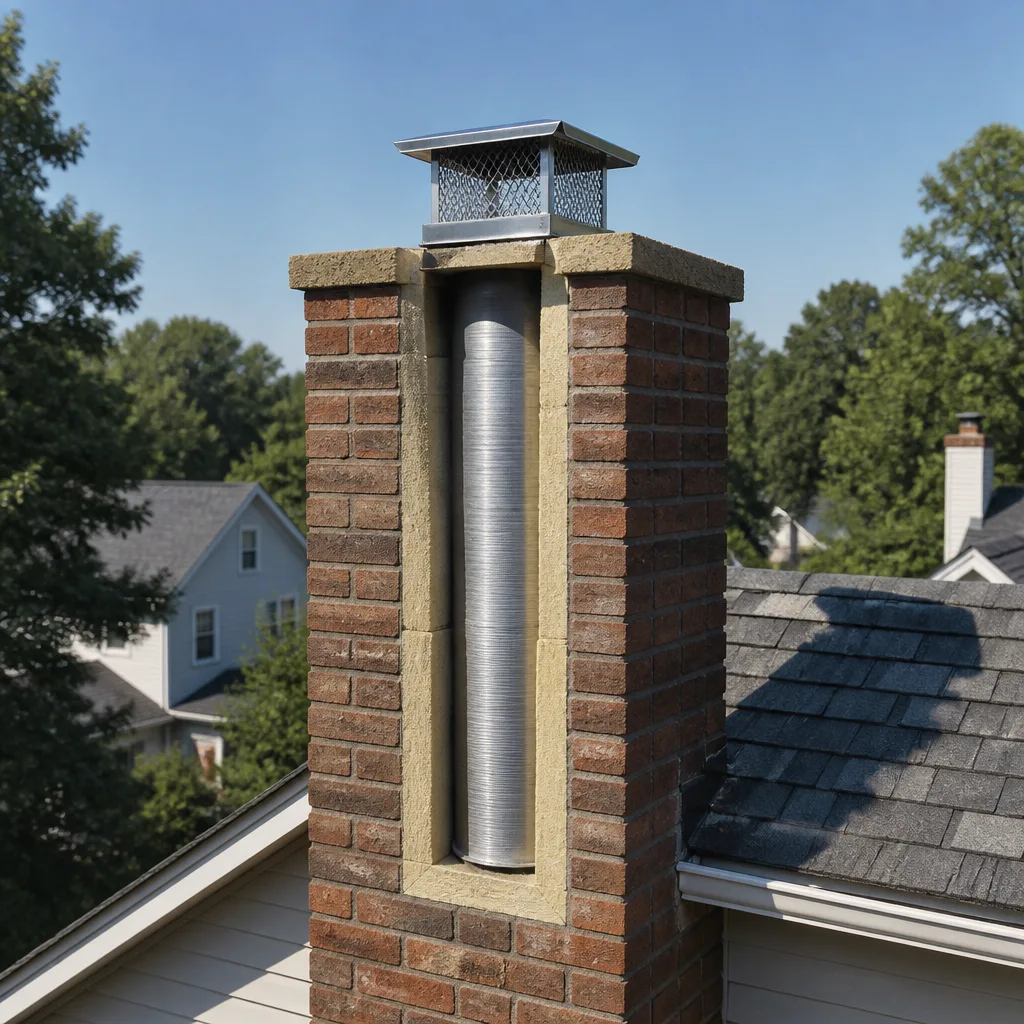 Flue relining
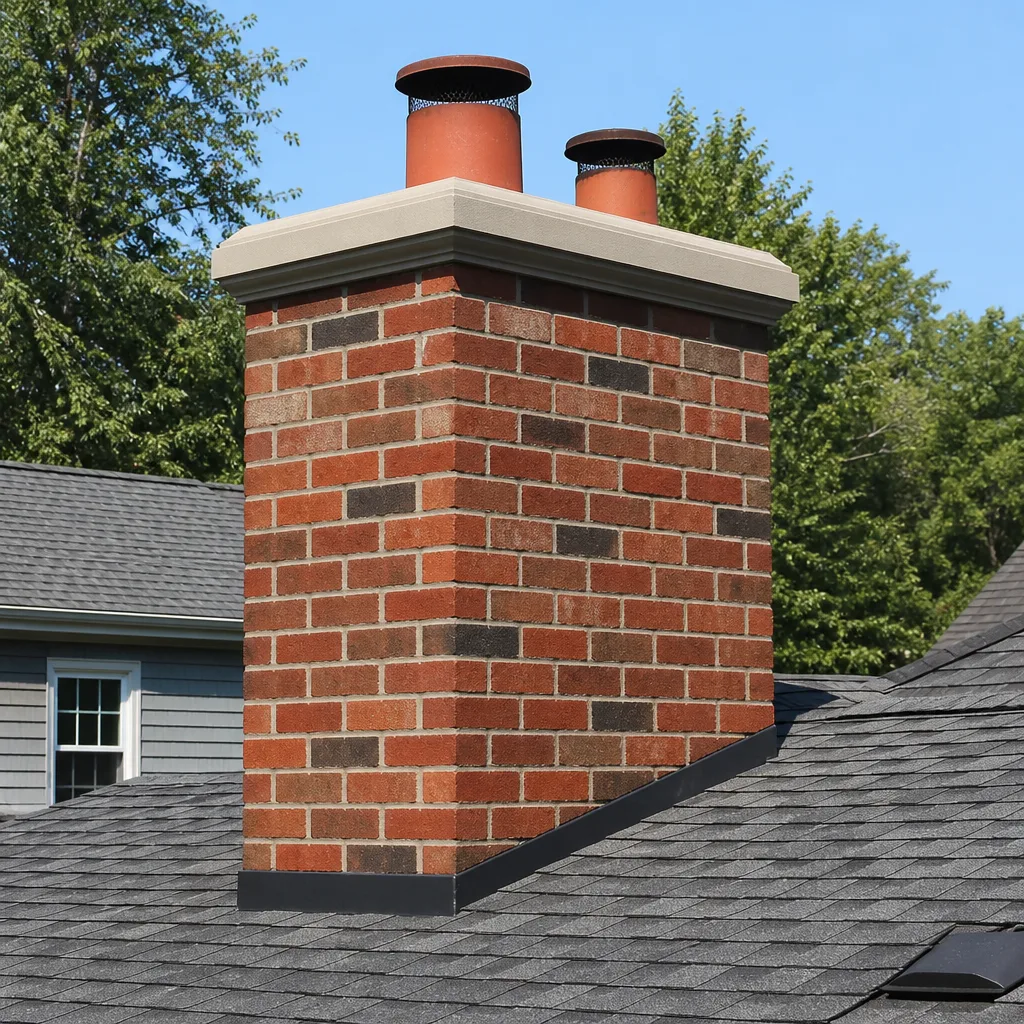 Masonry repair
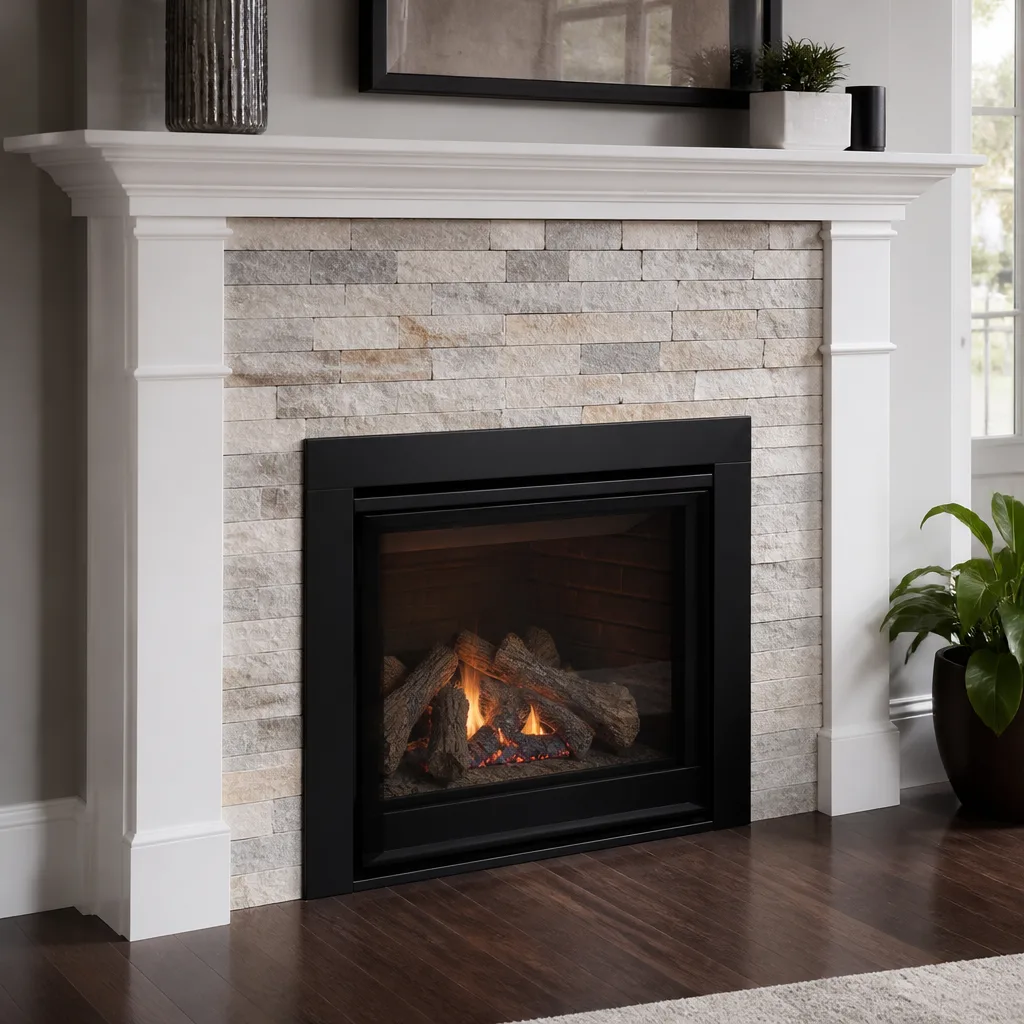 Gas fireplace service
Level 1 sweep and inspection to the NFPA 211 annual standard - flue, crown, cap, and flashing checked and photographed
Chimney sweep logs do not sweep chimneys. They loosen some creosote - which then falls where a brush and vacuum still have to collect it.
The Complete Guide to Chimney Cleaning in Silver Lake
Most chimney cleaning guides you’ll find online were written for homeowners in cold-climate markets, people burning cord wood every night from October through March. Silver Lake is different. Our mild winters and the hill’s dense mix of 1920s bungalows and mid-century stucco homes create a set of chimney conditions that generic advice doesn’t address. Intermittent fireplace use, the kind that’s normal here, actually produces a stickier, more dangerous creosote than heavy daily burning does. This guide walks through what Silver Lake homeowners need to know about chimney cleaning, from the science of creosote to what happens during a professional sweep and when a deeper inspection is worth it.
Styles & brands we work with
- Sweep & inspection
- Caps & crowns
- Flue relining
- Masonry repair
- Gas fireplace service
Quick Answer
Chimney cleaning in Silver Lake is the process of removing creosote, soot, and debris from the flue, smoke chamber, and firebox. Because Silver Lake homes are used intermittently rather than heated by the fireplace all winter, creosote builds up faster and in a stickier form than in cold-climate houses. A professional chimney sweep typically completes a cleaning in one to two hours, and the job should include a visual inspection of the flue liner, crown, and damper.
Table of Contents
- Why Intermittent Burning Creates a Bigger Creosote Problem in Silver Lake
- Flue Liner Types in Pre-1950 Silver Lake Construction
- Level 1 vs Level 2 Inspections: What Silver Lake Homeowners Actually Need
- How Marine-Layer Humidity Affects Creosote Texture
- The Full Professional Cleaning Sequence, Step by Step
- How Often Should You Clean Your Chimney in Silver Lake?
- Common Mistakes to Avoid
- When to Call a Professional
- Frequently Asked Questions
- The Bottom Line
Why Intermittent Burning Creates a Bigger Creosote Problem in Silver Lake
Here’s the counterintuitive part. Homeowners who burn every day through a cold winter often have less dangerous creosote than homeowners who light a fire once a week or on occasional evenings. That’s because hot, daily fires bake the creosote deposits in the flue, drying them out and reducing their density in the upper sections of the chimney. Intermittent burning, the pattern most Silver Lake residents follow, produces a cycle that’s worse for the flue.
Creosote forms in stages. Stage 1 is a light, dusty soot that sweeps off easily. Stage 2 is the problem we see most often in Silver Lake chimneys: a sticky, tar-like layer that hardens into a glaze when it cools. Stage 3 is a hard, baked-on glaze that requires mechanical removal. The science is simple. A fire that’s lit infrequently never gets the flue hot enough, for long enough, to bake Stage 2 deposits before the next fire adds more. Each fire adds a new layer onto the sticky residue from the last one.
Silver Lake’s housing stock makes this pattern more common. Many homes in the flats and up into the hills were built before central heating was standard, so the fireplace was the primary heat source and saw daily use. Today, those same fireplaces are used for ambiance, a few hours at a time, a few times a month during the cooler season. The change in use pattern, not the age of the home itself, is what accelerates the Stage 2 buildup. A chimney that handled daily fires for 50 years can become a creosote liability in five years of occasional use if it’s not swept on the right schedule.
This is also why the advice to “clean your chimney every year no matter what” misses the point. The right interval depends on how the fireplace is actually used. A Silver Lake home that burns one or two fires a week from November through February has a different risk profile than a cabin in Big Bear burning 24/7 for months. We’ll get into specific intervals later in this guide, but the principle is that intermittent use means more frequent attention, not less.
Flue Liner Types in Pre-1950 Silver Lake Construction and Why They Change How We Clean
Silver Lake’s building boom happened in the 1920s and 1930s, when the neighborhood shifted from farmland to a streetcar suburb. The homes from that era, especially the Craftsman bungalows and Spanish Revival cottages up and down the hills, have specific chimney construction methods that affect how they should be cleaned today.
Three liner types dominate:
- Clay tile liners (pre-1950 homes): The standard for decades. Clay tiles are durable but brittle, and the mortar joints between them crack over time. A chimney sweep must use softer brushes and inspect each joint rather than assuming a hard scrub is safe. In homes where the tile has already cracked, cleaning alone won’t fix the hazard; the flue needs resurfacing or relining.
- Unlined masonry (pre-1920 construction, some hillside homes): Some of the older Silver Lake homes, particularly the hillside structures, were built before local code required flue liners. An unlined masonry chimney exposes brick and mortar directly to heat and creosote. Cleaning requires gentler methods, and these chimneys often need a liner installed before they’re safe to use.
- Stainless steel liners (mid-century and newer, plus retrofits): Many Silver Lake homes built after 1950, and many older homes that have been updated, have stainless steel liners. These clean easily with poly brushes and are less prone to creosote adhesion than clay, but the liner itself needs a thorough inspection for warping or perforation. When a liner reaches the end of its life, a DuraFlex system is one replacement option we work with, and it’s designed to handle the full range of conditions a Silver Lake chimney sees.
The cleaning method matters because a brush that’s right for a stainless liner can damage old clay tile, and vice versa. A sweep who works on Silver Lake’s older homes needs to identify the liner type before the brush goes up. We carry the parts and the expertise to fix what we find, not just report it. In practice, that means if a cleaning reveals cracked tiles or a deteriorated liner, the same team can handle the repair, whether it’s a HeatShield resurfacing application or a full reline.
Level 1 vs Level 2 Inspections: What Silver Lake Homeowners Actually Need
Chimney inspections are defined by the National Fire Protection Association, and the distinction between Level 1 and Level 2 matters because it determines what’s checked and what it costs. Here’s the practical version for Silver Lake homeowners, not the codebook version.
A Level 1 inspection is a visual check of the accessible portions of the chimney. The sweep examines the firebox, damper, flue liner, and exterior chimney structure using a flashlight and sometimes a camera. The interior gets checked from both the roof down and the firebox up. A Level 1 is appropriate when the chimney is in routine use and nothing about the system has changed. This is what most annual cleanings include.
A Level 2 inspection is required when something changes. It includes everything in a Level 1 plus a video camera scan of the entire flue, and an inspection of the attic, crawl space, and any other accessible areas where the chimney passes through. In Silver Lake, the most common triggers for a Level 2 are:
- Purchasing a home (many buyers order a Level 2 as part of the escrow process)
- A chimney fire has occurred, even a small one
- The home has been through an earthquake or a major storm
- The fireplace hasn’t been used in years and the owner wants to start using it again
- Changing fuel type, such as switching from wood to gas logs
In our experience, most Silver Lake homeowners who buy an older home and inherit a fireplace that hasn’t been used in a decade should start with a Level 2, not a basic sweep. The camera scan shows exactly what’s inside the flue, whether it’s a crack, a missing mortar joint, or a bird’s nest, and it gives the homeowner evidence of what the chimney actually needs. That evidence is the difference between a credible recommendation and a scare quote. If a sweep recommends thousands of dollars of liner work, ask to see the camera footage. A real professional will show it to you. The ones who won’t are the ones to walk away from.
How Marine-Layer Humidity Affects Creosote Texture in LA-Area Chimneys
Silver Lake sits close enough to the coast that the marine layer pushes inland on summer mornings and lingers into the cooler months. That humidity has a measurable effect on what happens inside a chimney, and it’s one reason chimney maintenance here differs from maintenance in, say, Phoenix or the Inland Empire.
Creosote is hygroscopic, which means it absorbs moisture from the air. When the marine layer settles over Silver Lake, the air inside a chimney flue grows more humid than the air outside. Creosote deposits, particularly Stage 2 buildup, absorb that moisture and become softer and stickier. On dry, hot days, the same deposits harden into a glaze. The cycle of moistening and drying changes the texture of the creosote layer over time, and it can make deposits in Silver Lake flues more tenacious than the dry, flaky creosote common in desert climates.
This affects the cleaning process in a few ways. A brush that would knock dry Stage 1 soot off the flue walls may not fully remove a sticky, humidified Stage 2 layer. In some cases, the sweep has to use a chemical treatment first, something like an anti-creosote spray, followed by mechanical brushing. The exact approach depends on what the camera reveals. We work with products from Gelco and Olympia Chimney when a chimney needs more than a standard brushing, because the right material matters when you’re dealing with a stubborn glaze.
The humidity point matters for homeowners, too. If you’ve ever noticed your fireplace smells musty in late summer or early fall, you’re smelling the moisture in a dirty flue. It’s a sign that creosote has absorbed enough humidity to become aromatic, and it’s usually a signal that the chimney was due for a cleaning before the burning season starts.
The Full Professional Cleaning Sequence, Step by Step
A proper chimney cleaning is not “we run a brush up the flue.” The full sequence is a systematic process, and the steps matter because each one catches problems the next step builds on. Here’s what a professional sweep does in a Silver Lake home.
- Interior protection: The sweep lays drop cloths around the hearth and covers nearby furniture with plastic sheeting. Chimney soot is fine enough to travel, and a professional doesn’t leave a ring of dust around your living room.
- Firebox inspection: The sweep checks the firebox floor and walls for cracks, crumbling mortar, and excessive ash buildup. This is also when a professional notes whether the firebox liner needs repair.
- Damper check: The damper gets tested to make sure it opens and closes fully. A seized damper is a common problem in Silver Lake homes where the fireplace has been unused for years.
- Crown and exterior inspection from the roof: Up on the roof, the sweep examines the crown (the concrete cap at the top of the chimney), the brick or stone work, and the flashing where the chimney meets the roofline. Cracks in the crown let water in, and water damage is the most expensive chimney problem you’ll never see from the ground.
- Flue brushing: The sweep pushes a brush down the flue, sized to the liner type. Poly brushes for stainless and some clay liners, wire brushes for harder deposits when the liner can handle it. The goal is to dislodge creosote and soot from the flue walls all the way down to the smoke shelf.
- Smoke chamber brushing: The smoke chamber, the angled section above the damper, is where a lot of creosote hides. A thorough sweep brushes this area out, and it’s the step that separates a real cleaning from a quickie job.
- Flue camera scan: After the brushing, the sweep runs a camera through the flue to verify that the cleaning was complete and to check for cracks, gaps, or liner damage that was hidden under the soot.
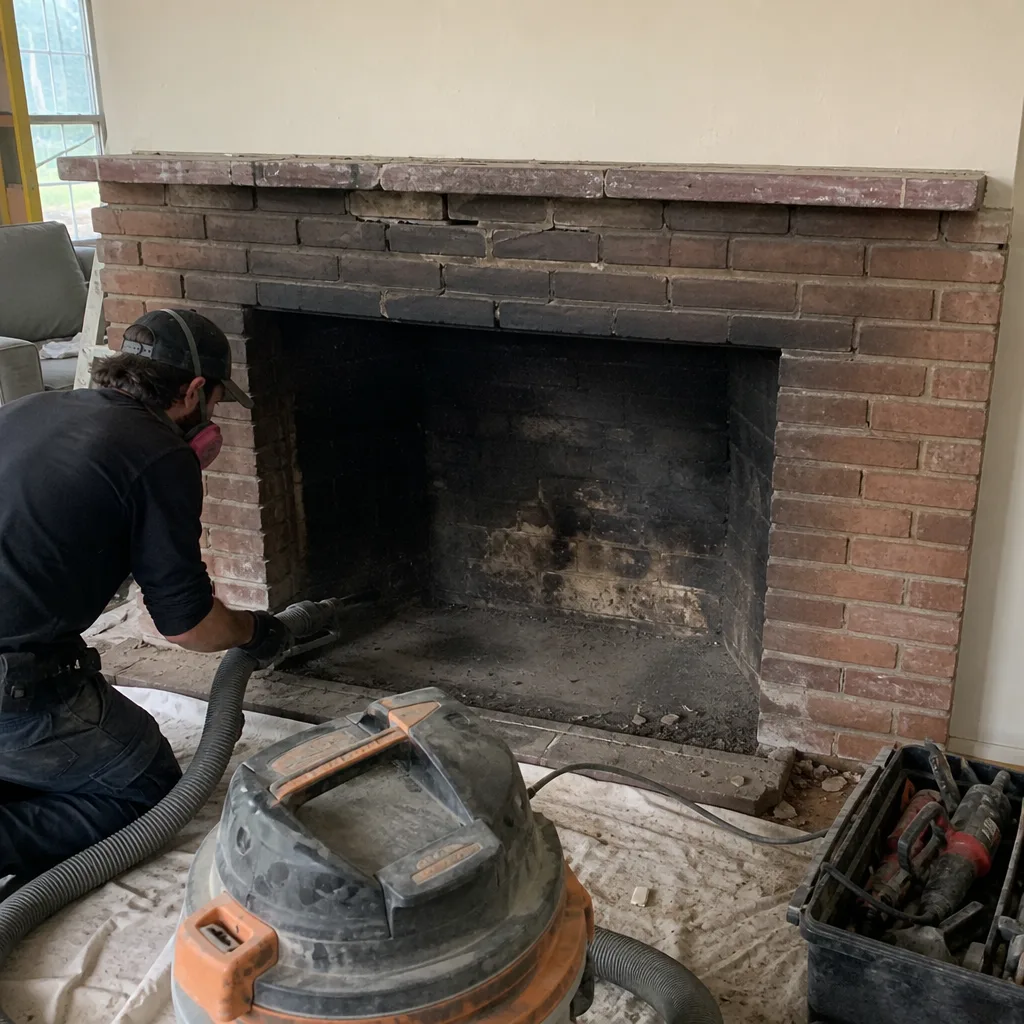
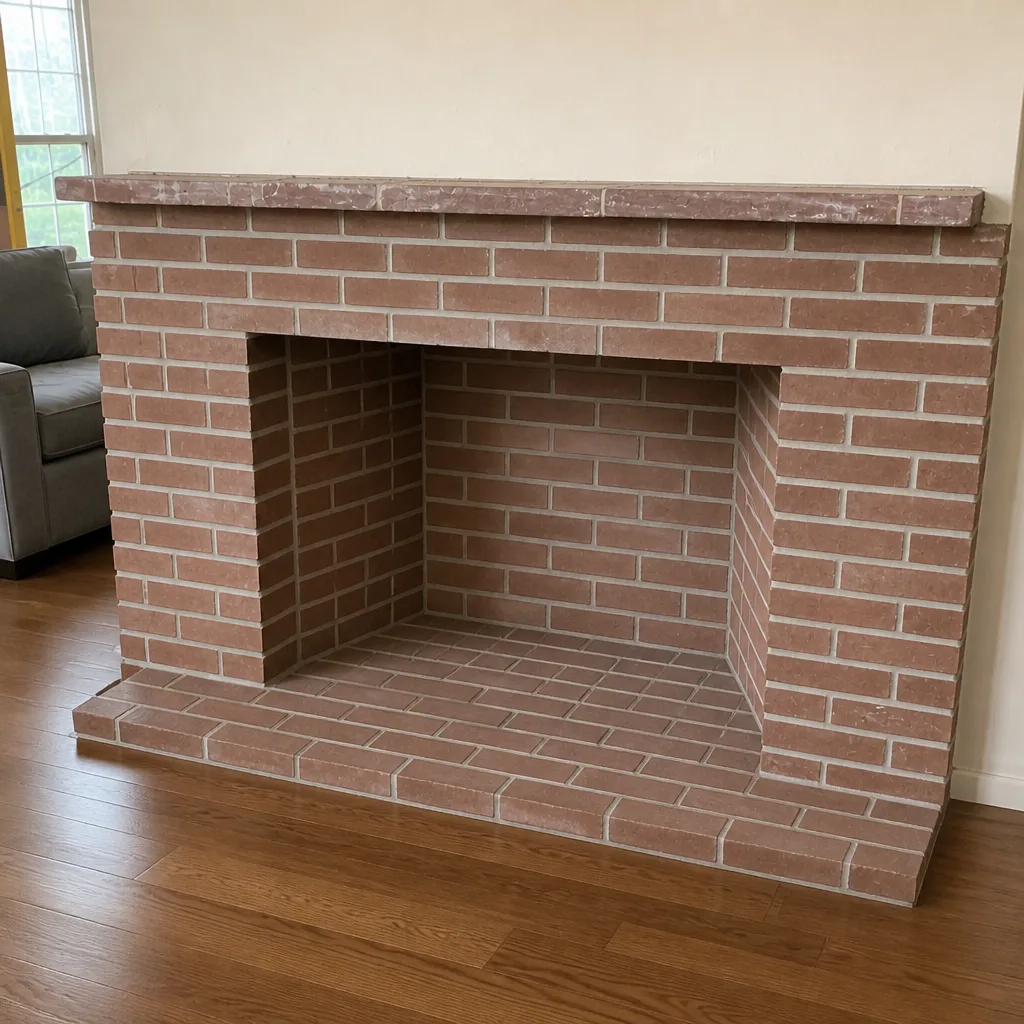
- Final vacuum and report: The firebox and hearth get vacuumed, and the sweep provides a photo report showing the before and after condition. Homeowners get evidence of what was cleaned, not just a receipt.
A standard cleaning takes one to two hours, depending on the chimney’s condition and the amount of buildup. Silver Lake’s older chimneys sometimes take longer because the smoke chambers and flue bends in pre-1950 construction are less forgiving than the straight-lined flues in newer homes.
How Often Should You Clean Your Chimney in Silver Lake?
The honest answer is that it depends on how you use your fireplace, and anyone who gives you a single universal number is guessing. The NFPA recommends inspection at least once a year, with cleaning when the creosote reaches 1/8 inch thick. That’s a standard, not a schedule for every home.
For a Silver Lake home where the fireplace is used occasionally, say one or two fires a week during the cooler months, an annual cleaning with a Level 1 inspection is the safe baseline. That catches the sticky Stage 2 buildup that intermittent fires create before it reaches a dangerous thickness. If you burn more than that, or if you burn green or unseasoned wood, you may need two cleanings per year.
If you rarely use your fireplace, once a year for the fireplace itself is still wise, because the flue can accumulate debris, nesting material, and moisture damage even when the firebox stays cold. And if you use a gas log set, don’t skip the chimney maintenance thinking there’s nothing to clean. Gas logs produce less creosote, but they still produce soot and can block the flue, and a gas fireplace that isn’t venting properly is a carbon monoxide risk.
One thing we tell Silver Lake homeowners: don’t wait for the smoke to back up into the living room. By the time a fireplace smokes noticeably, the creosote layer is already thick enough to be a fire hazard. The purpose of a cleaning schedule is to prevent that moment, not to respond to it.
Common Mistakes to Avoid
- Assuming intermittent use means less maintenance. The opposite is true. Occasional fires leave sticky creosote that hardens and builds over time. A Silver Lake fireplace used once a month might be dirtier than a cold-climate fireplace used every day.
- Burning unseasoned wood. “Seasoned” means the wood has dried for at least six months to a year. Wet wood smolders at a lower temperature and produces dramatically more creosote than dry wood. Especially in Silver Lake’s humid months, wood stored outdoors absorbs moisture and defeats the seasoning.
- Skipping the camera inspection. A sweep that doesn’t show you the inside of your flue is doing half the job. You have no way to know if a liner crack or blockage was missed, and no evidence to evaluate a repair recommendation.
- Ignoring water damage at the crown. A cracked crown seems minor from the ground, but it’s the entry point for water that will eventually crumble the masonry and force a much larger repair. In Silver Lake’s older homes, the crown is frequently the first thing to fail.
- Using the fireplace as an incinerator. Burning wrapping paper, cardboard, or trash produces large flakes of ash and embers that can ignite creosote in the flue. The fireplace is for wood, not household waste.
- Leaving the damper open year-round. An open damper is a highway for moisture, dust, and even animals. During the rainy season, water goes straight down the flue and into the firebox. Close the damper whenever the fireplace is not in use.
- Hiring a generalist instead of a chimney specialist. Chimney work is a specific trade with specific tools and materials. A handyman who “also does chimneys” doesn’t carry the brush sizes, the camera equipment, or the liner materials that a chimney sweep who does this every day carries.
When to Call a Professional
Chimney cleaning is not a DIY job, and the reasons go beyond convenience. The dangerous part of the work is not the soot; it’s the fact that a proper cleaning requires roof access, the right brush for the liner type, and a trained eye for the structural problems that hide under the soot. Falls from roofs and ladders are the most common accident in this trade, and a homeowner without the right harness and roof-walking experience is taking a genuine risk.
Call a professional when your fireplace hasn’t been cleaned in over a year, when you see black flakes dropping into the firebox, when you smell a campfire-like odor coming from the fireplace when it isn’t lit, when smoke pushes back into the room, or when you’ve just bought a home and want to know the condition of the flue before burning. Chimney Sweep Silver Lake offers free estimates in Silver Lake. Call (866) 538-0809. We answer 24/7. Fast dispatch from 7am to 7pm, Sunday through Friday.
Frequently Asked Questions
Chimney cleaning in Silver Lake typically ranges from $150 to $350 for a standard sweep, depending on the chimney’s height, the liner type, and the amount of buildup. Older Silver Lake homes with tall hillside chimneys or heavy Stage 3 glaze may cost more. The written estimate you receive before the work starts is the price, and it’s set per job. Call (866) 538-0809 for a free estimate. We answer 24/7.
If the camera scan shows cracked clay tiles or gaps in the mortar joints, the liner is not doing its job, and the answer is usually yes, the chimney needs to be relined or resurfaced. A cracked liner lets heat and gases reach the surrounding masonry, which is a fire and carbon monoxide risk. That said, never accept a liner recommendation without seeing the footage yourself. Ask the sweep to show you the cracks on camera. A specialist who stands behind the diagnosis will walk you through it. If the damage is verified, options like a HeatShield resurfacing or a DuraFlex reline can extend the chimney’s life.
Most Silver Lake homeowners should have the chimney swept once a year, at the start of or just before the burning season. That’s the right interval for the intermittent use pattern common here, where fires are lit a few times a month rather than every day. Heavy use or burning unseasoned wood shortens the interval. The trigger for cleaning is creosote thickness of 1/8 inch, which a Level 1 inspection measures.
The creosote layer thickens. When it ignites, you have a chimney fire, which sounds like a freight train and reaches temperatures hot enough to crack flue tiles, warp stainless liners, and push flames through to the roof structure. Even without a full chimney fire, a blocked or partially blocked flue can push carbon monoxide back into the house. Carbon monoxide is odorless, and the fireplace is the least likely source you’d suspect. The risk is real, and the cost of a sweep is a fraction of the cost of a liner replacement or a roof fire.
In most cases, yes. We answer 24/7, and we dispatch crews from 7am to 7pm, Sunday through Friday. When you call (866) 538-0809, we’ll schedule the cleaning for the next available opening. Same-day service is often possible, particularly during the warmer months when the demand is lower.
Yes, gas fireplaces still produce soot, and their vents can become blocked by debris, birds, or the deterioration of the liner. A gas fireplace that isn’t venting properly is a carbon monoxide source. The cleaning process for a gas system is different from a wood-burning system, but the need for periodic inspection is the same. If the gas logs haven’t been checked in a few years, a cleaning and Level 1 inspection is a reasonable step.
Yes. Dryer vent cleaning is a core service, not an afterthought. Lint accumulation in a dryer vent is a fire hazard and a common cause of dryers running longer than they should. The same specialist team that cleans the chimney can clean the dryer vent, so one call handles both. Call (866) 538-0809 for a free estimate.
The Bottom Line
Silver Lake’s older homes and intermittent fireplace use create a chimney-cleaning profile that’s different from the cold-climate norm. Sticky Stage 2 creosote, marine-layer humidity, and clay tile liners from the pre-1950 era all mean that a standard once-a-year cleaning with the right brush and a camera inspection is the smart baseline. Skip the sweep and you’re building a fire hazard that gets worse silently. The work itself is affordable, the inspection should come with photo evidence, and the right specialist can handle whatever the camera reveals, from a simple sweep to a full liner replacement. Call (866) 538-0809 and book a free estimate before the burning season arrives.
Written by the team at Chimney Sweep Silver Lake, serving Silver Lake since 2013.
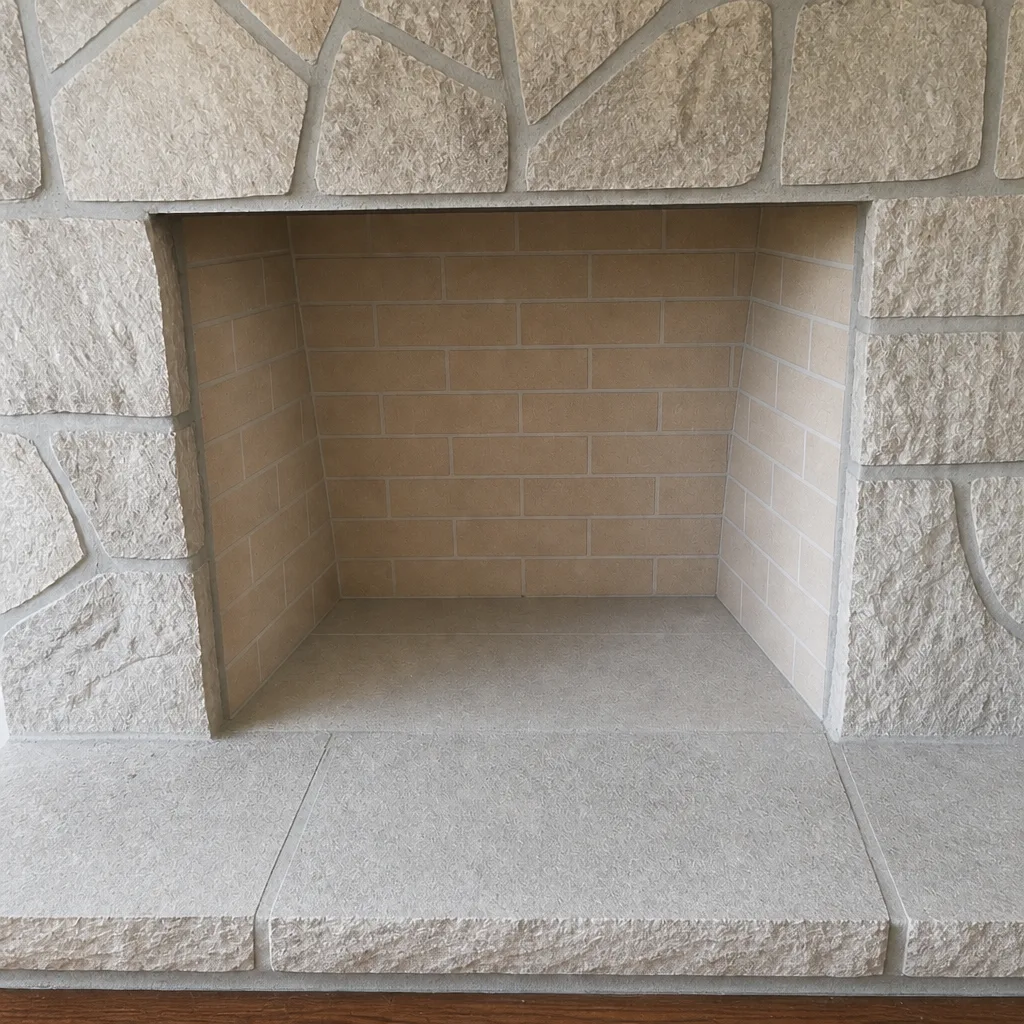
See the difference
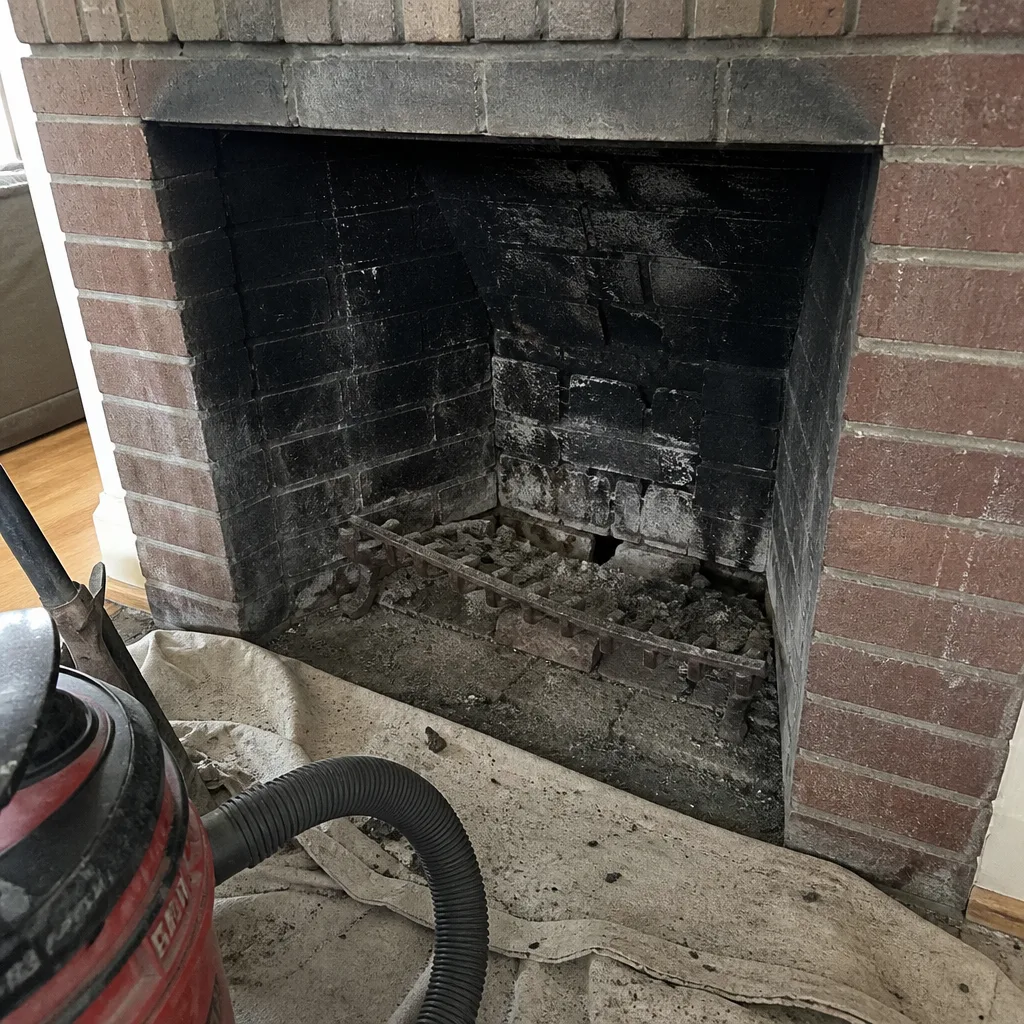 Before
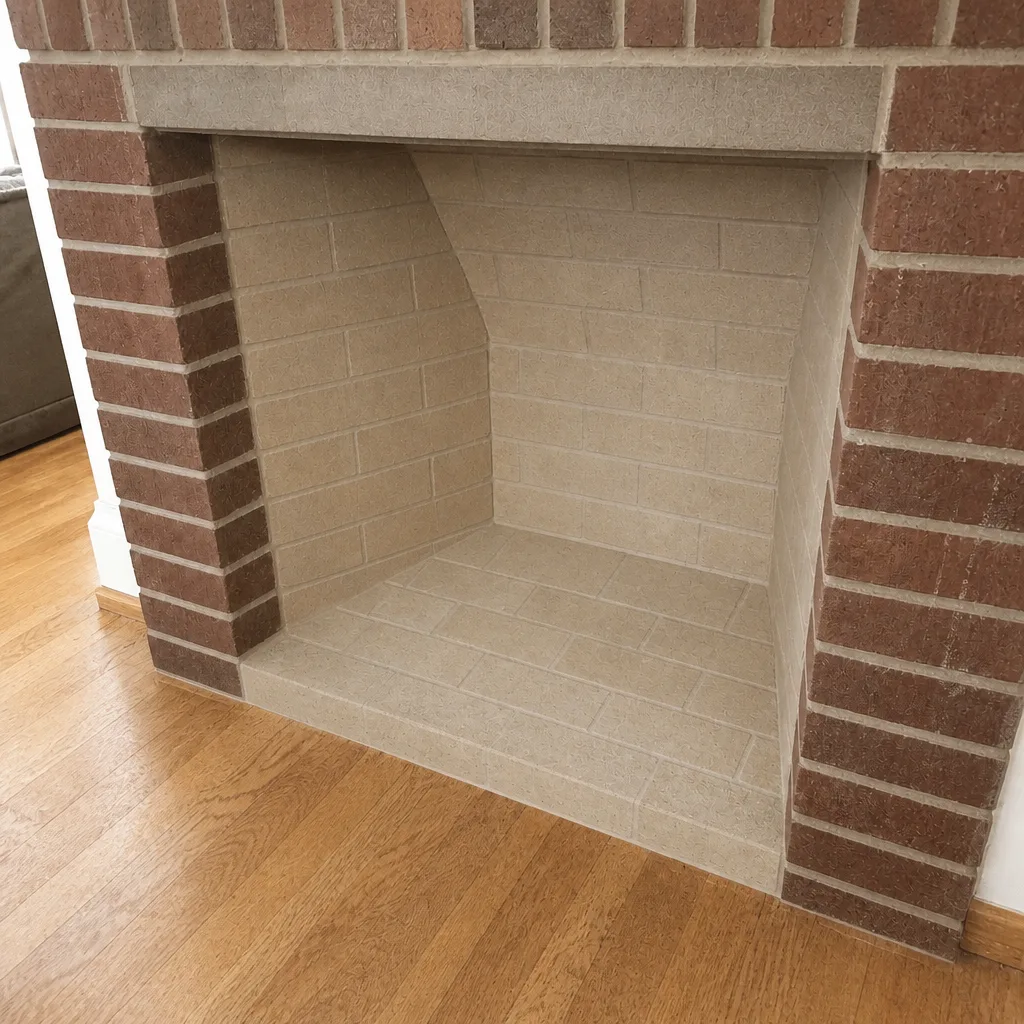 After
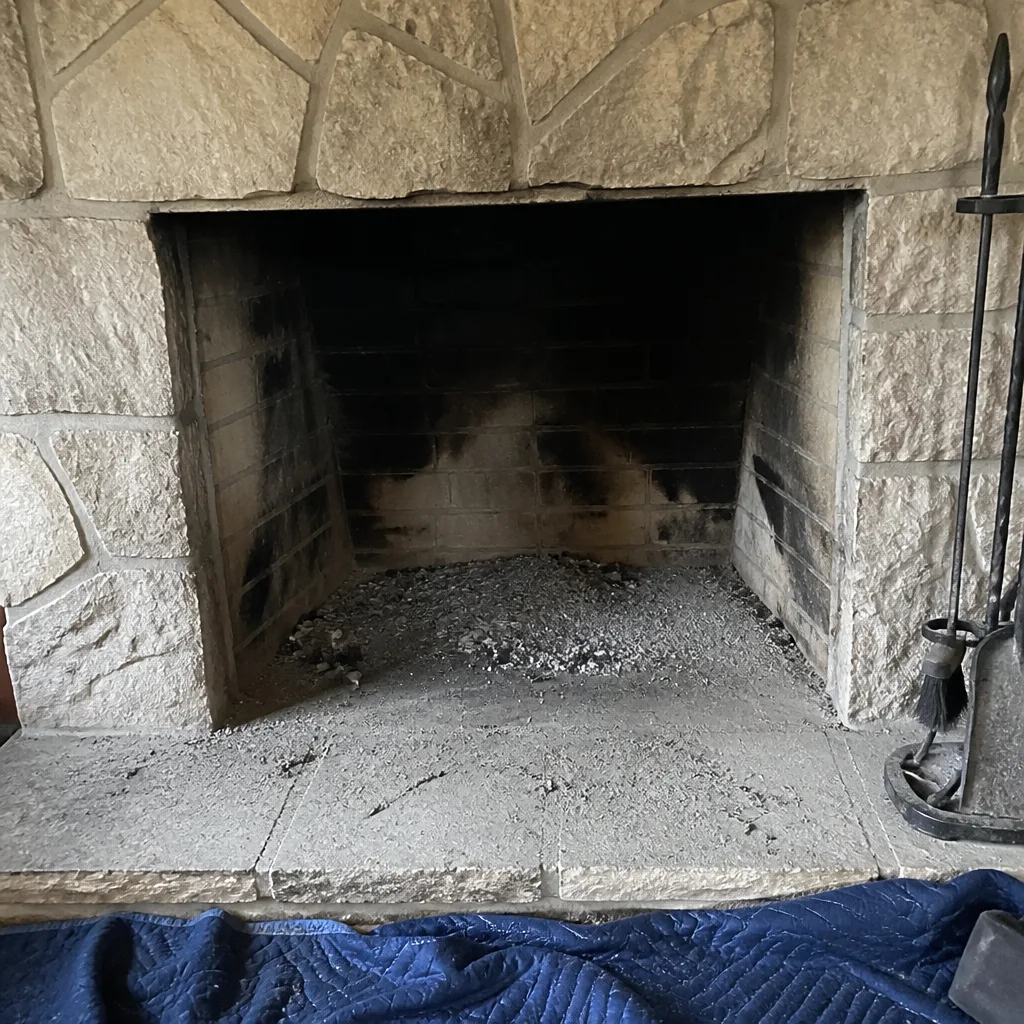 Before
 After
 Before
 After