
Last updated November 4, 2026
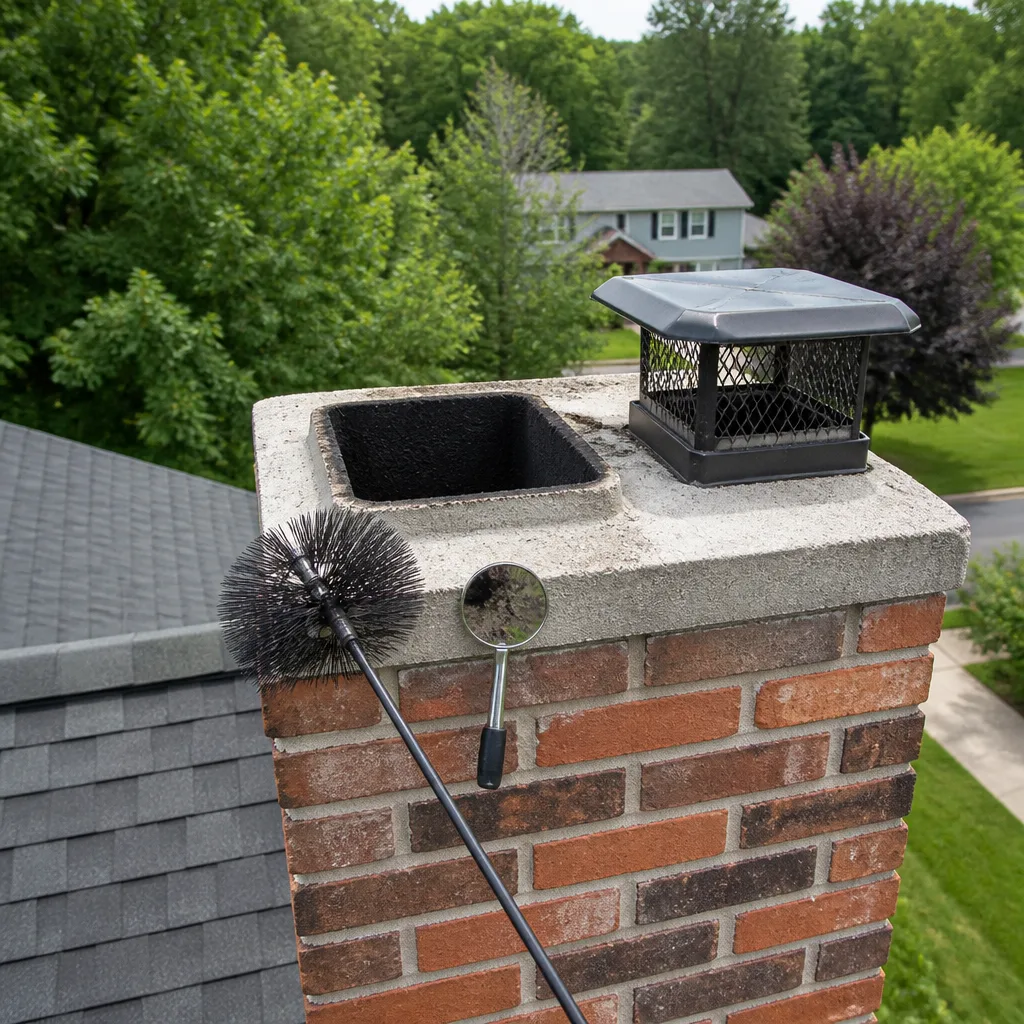 Sweep & inspection
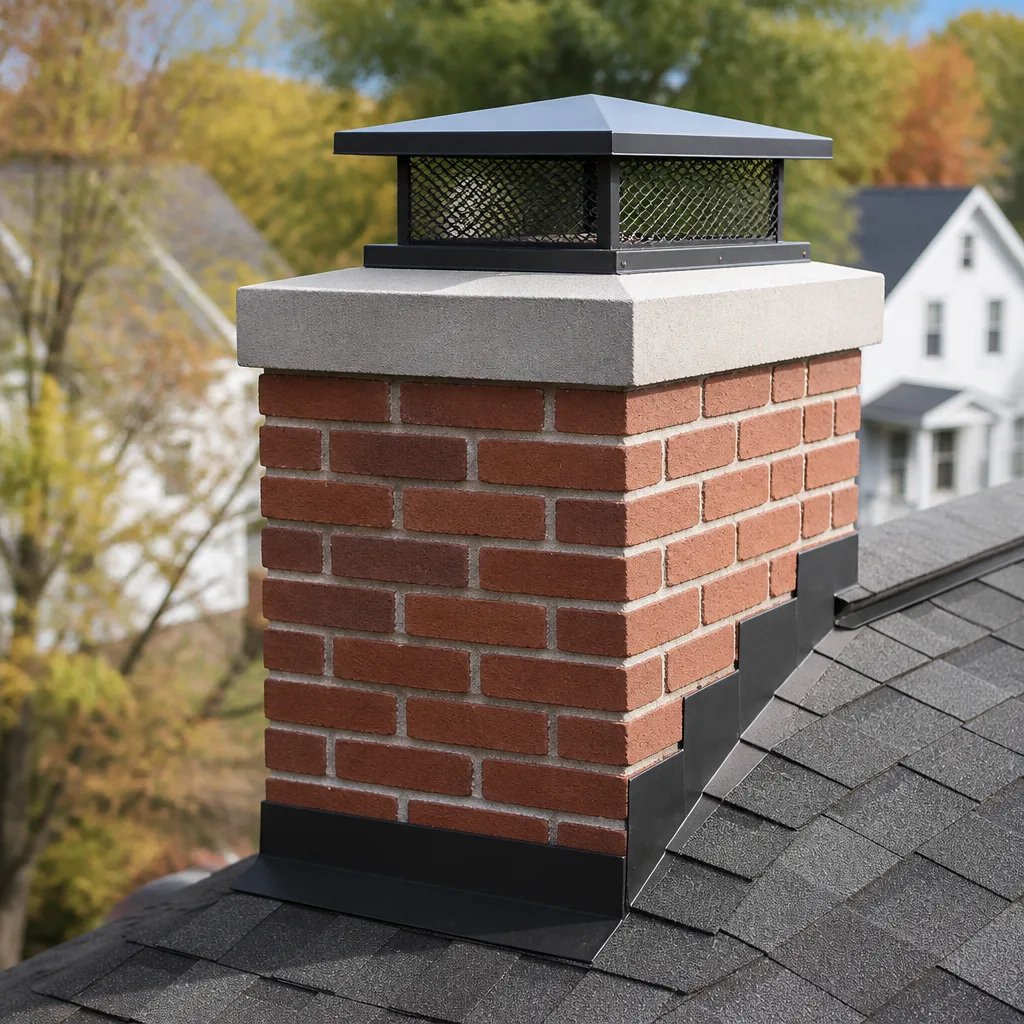 Caps & crowns
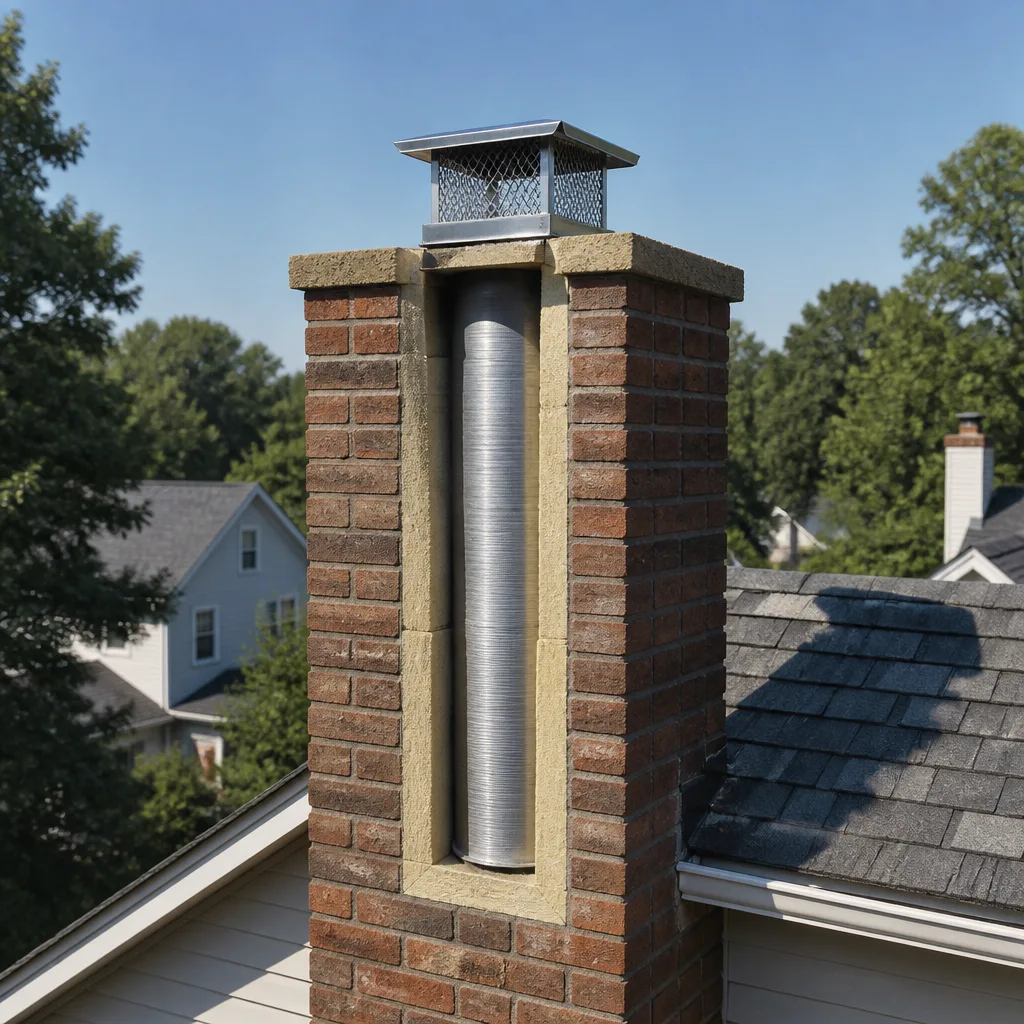 Flue relining
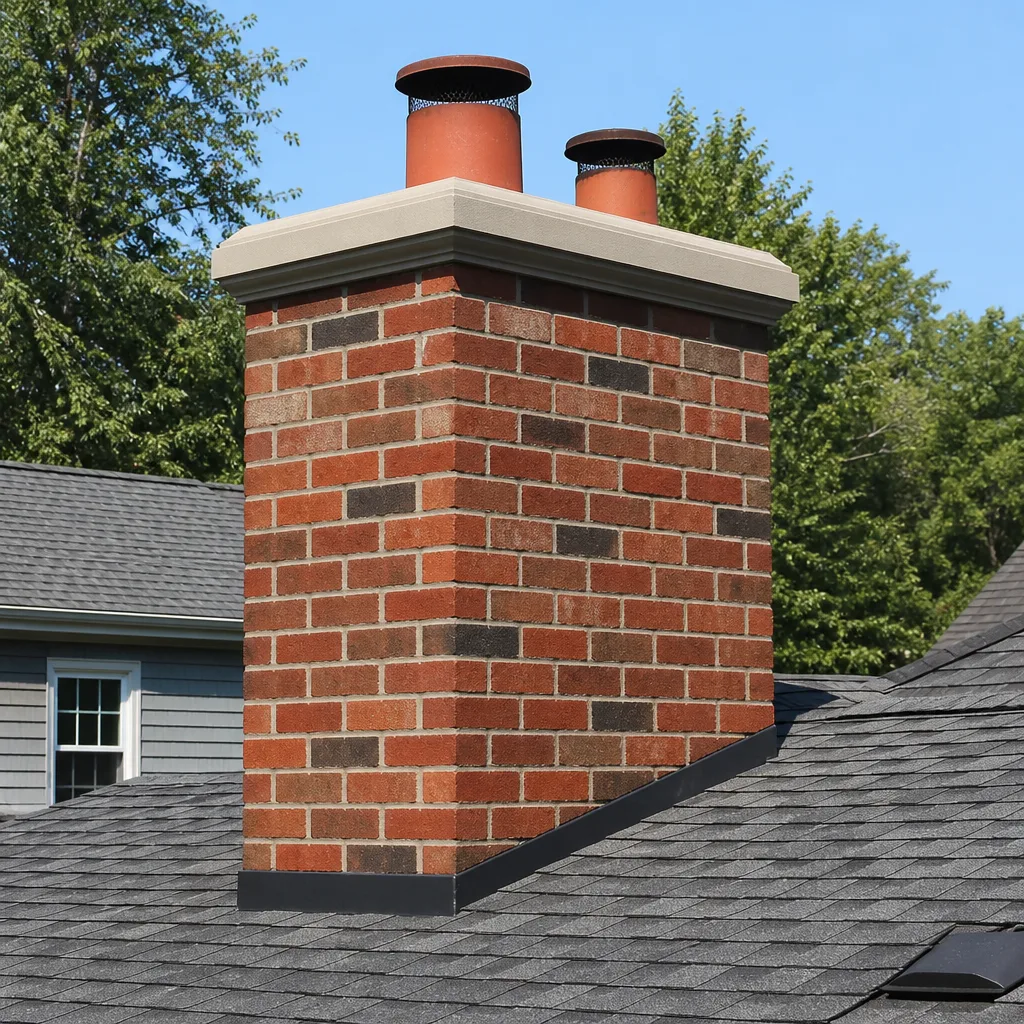 Masonry repair
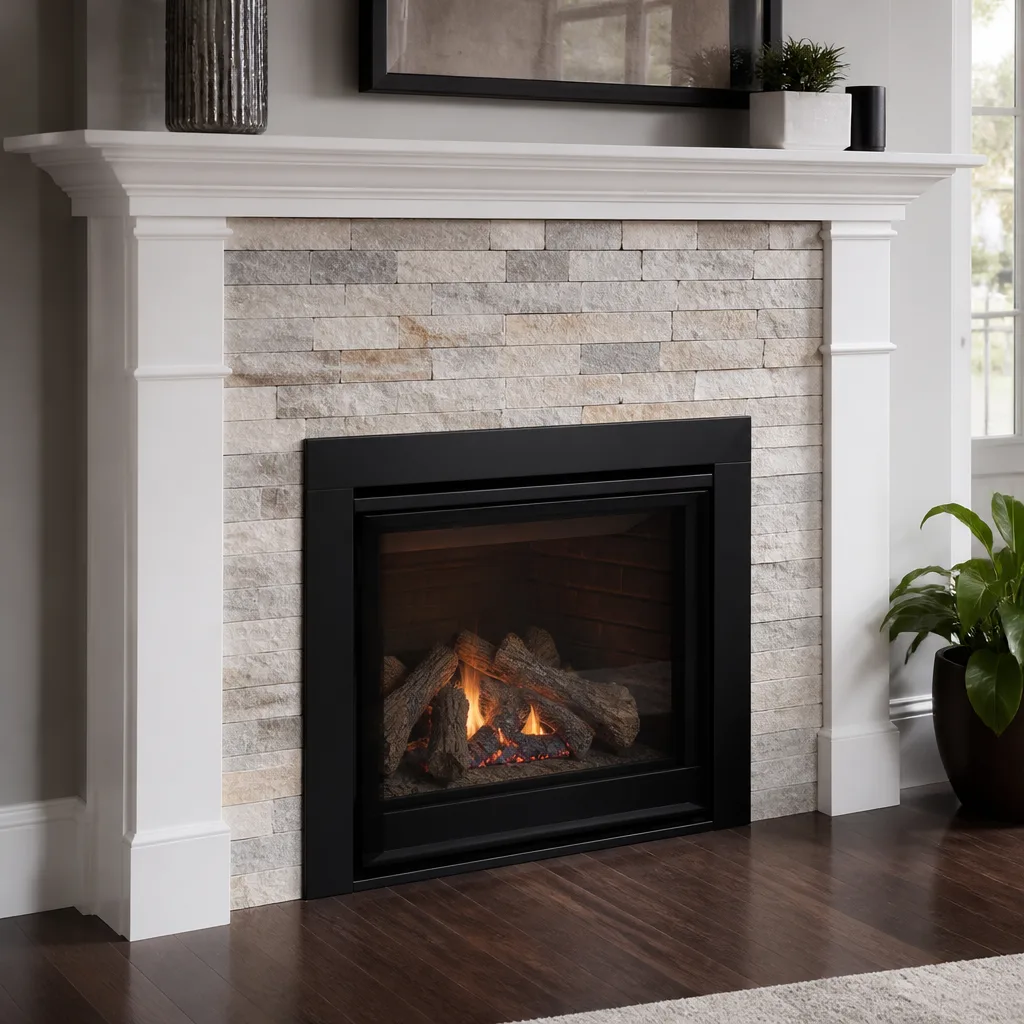 Gas fireplace service
Level 1 sweep and inspection to the NFPA 211 annual standard - flue, crown, cap, and flashing checked and photographed
Chimney sweep logs do not sweep chimneys. They loosen some creosote - which then falls where a brush and vacuum still have to collect it.
How to Hire a Chimney Cleaning Contractor in Silver Lake: A Step-by-Step Guide
Chimney sweeping has no licensing requirement in California. Let that sink in for a moment. Anyone with a brush kit, a van, and a Craigslist ad can charge you to run a rod down your flue, and the state will not stop them. That’s not a reason to panic; it’s a reason to get specific about who you let onto your roof in Silver Lake. This guide gives you a concrete vetting framework: what certifications actually verify, which questions separate a real specialist from an opportunistic generalist, and what a legitimate written estimate looks like.
Quick Answer
Hire a chimney cleaning contractor in Silver Lake by verifying CSIA certification for the technician, confirming a video camera inspection is included before any recommendations are made, asking five specific technical questions about your flue type and materials, and reviewing a written estimate that names materials by brand. Skip any company that quotes a price before seeing the chimney or that treats sweeping as a side service to HVAC or general handyman work. Expect to pay in line with a specialist, not a coupon app.
Styles & brands we work with
- Sweep & inspection
- Caps & crowns
- Flue relining
- Masonry repair
- Gas fireplace service
Table of Contents
- Why California’s Lack of Licensing Is Not the Test You Think It Is
- What CSIA Certification Actually Verifies (and Why It Beats a General Contractor License)
- Five Technical Questions to Ask Before You Book
- Why Camera Inspection Is Table Stakes, Not an Upsell
- Red Flags Specific to the LA Market
- What a Legitimate Written Estimate Includes
- The Step-by-Step Vetting Process, Start to Finish
- What Silver Lake’s Housing Stock Means for Your Chimney
Why California’s Lack of Licensing Is Not the Test You Think It Is
Most trades in California require a state license before you can legally charge for the work: electricians, plumbers, general contractors, roofers. Chimney sweeping is not one of them. The Contractors State License Board does not issue a specific chimney sweep license, and no city-level credential exists in Los Angeles that a sweep must hold before knocking on your door. A “licensed and insured” line on a website can mean the company carries a general business license from the city of Los Angeles, which tells you almost nothing about whether the person on your roof understands draft dynamics, creosote stages, or the difference between a terra cotta flue liner and a stainless one.
In our experience in Silver Lake, this creates a specific market problem. HVAC companies add chimney sweeping as a winter revenue line. Handymen offer it because it looks simple. A general contractor who is legitimately licensed for remodeling work may know nothing about the structural physics of a chimney fire or how a cracked flue liner behaves under heat. None of them are breaking the law by offering a sweep, because there is no law that says they cannot.
What separates a specialist is not a license number. It is certification, materials, and process. The first is CSIA. The second should be brands you can verify. The third is non-negotiable: camera evidence before any repair recommendation. When you call a Chimney Sweep Silver Lake specialist, you should be able to ask pointed questions and get direct answers, not deflections. This guide is built around those questions.
Silver Lake’s housing stock also raises the stakes. This neighborhood runs heavily to homes built between the 1920s and the 1960s, many with original masonry chimneys that have seen decades of use and more than a few earthquakes. A generalist who sees a dirty flue and recommends a $4,000 liner replacement may be right or wildly wrong. The point is you need a process that lets you tell the difference.
What CSIA Certification Actually Verifies (and Why It Beats a General Contractor License)
The Chimney Safety Institute of America is the industry’s primary credentialing body in the United States. When a technician holds CSIA certification, it verifies several specific things: the person passed a written exam covering fire codes, chimney physics, ventilation, and safety practices; completed documented field work under supervision; and is expected to pursue continuing education to keep the credential active. It does not mean the person is unfailingly honest or that every job will be flawless. It means they have demonstrated baseline technical competence in the actual subject matter of chimneys.
A general contractor license, by comparison, verifies that someone passed a test covering contracting law, lien rights, basic construction practices, and business management. It says nothing specific about creosote, draft, flue sizing, or clearance-to-combustibles. A GC can be excellent at kitchen remodels and dangerous around a fireplace. They are different bodies of knowledge.
Ask whether the technician who will actually do the work, not just the owner who answers the phone, holds an active CSIA certification. Some companies advertise certification at the company level but send uncertified hires to most jobs. That distinction matters. The answer you want is direct: “Yes, the technician on your job is CSIA-certified.” A deflection like “our team is fully trained in-house” or “we have years of combined experience” is not the same thing.
Silver Lake homeowners should not have to choose between a CSIA-certified sweep and one who understands the specific housing stock here. A full-scope chimney sweep in this neighborhood should be able to handle the routine cleaning and the unexpected findings: spalled bricks, damaged crowns, heat-shocked flue tiles, inadequate clearance from roof framing. Certification is the floor. Materials and diagnostic tools are what raise the bar above it.
Five Technical Questions to Ask Before You Book
A knowledgeable sweep answers these questions directly, without pausing to think or steering the conversation elsewhere. A generalist deflects, vague-answers, or promises to know more “once we get up there.” Here are the five questions, and what both answers sound like.
1. What type of flue liner do you expect my chimney to have, and what do you do if you find a damaged one?
A specialist answer: “Most homes in Silver Lake from the 20s through the 60s have terra cotta tile liners. If I find cracked tiles, I’ll show you the cracks on camera and explain whether they pose a current fire risk. If the damage is isolated, resurfacing with a product like HeatShield may be an option. If it is extensive, a full reline with a DuraFlex stainless system may be the safer long-term fix.”
A generalist answer: “We’ll take a look and let you know. If it’s bad, you’re probably looking at a whole new liner.” No brand names. No diagnostic distinction. No camera offer.
2. Do you perform the actual sweep yourself, or do you subcontract the work?
A specialist answer: “Our own technician does the work. We do not subcontract chimney work.”
A generalist answer: “We have a guy we send out for chimneys.” That “guy” may be fine, but you now need to vet a second company you did not choose.
3. What creosote stage do you consider dangerous, and how does that affect your recommendation?
A specialist answer: “Third-degree creosote, which is a hardened glaze, is the real fire hazard. It may require chemical treatment before mechanical removal works. First-degree soot is normal; second-degree flakes need removal on a normal schedule.” The answer shows the person understands gradations, not a binary clean-or-dirty.
A generalist answer: “We clean out whatever’s in there.” This is not a technical answer.
4. Will I receive a video report of the flue after the sweep, and can I keep the footage?
A specialist answer: “Yes. We run a camera before and after. You see exactly what we see, and the footage is yours.”
A generalist answer: “Our tech will let you know if anything’s wrong.” That substitutes the tech’s unverified word for evidence you can look at yourself.
5. Do you carry materials on the truck for common repairs, or do you have to come back?
A specialist answer: “We stock major-name materials: HeatShield for resurfacing, Gelco and Olympia Chimney caps and flashings, Famco components. For a common repair, we can often handle it the same visit.”
A generalist answer: “We can order parts.” Ordering parts is fine for unusual situations. For routine chimney repairs, waiting on a truck that has nothing in it tells you this company does not do chimney work often.
Why Camera Inspection Is Table Stakes, Not an Upsell
A chimney is a vertical shaft you cannot see into clearly with the naked eye. From the top you see maybe six feet down. From the firebox you see a dark rectangle. What happens in the middle section, where creosote builds unevenly and flue tiles crack invisibly, is invisible without a video camera. That is why camera inspection should be included in your sweep by default, not offered as an extra or skipped because the sweep “looked fine from the top.”
A real post-sweep video report shows several specific things. First, it shows the flue walls after cleaning, so you can judge whether the sweep actually removed creosote or did a cosmetic pass. Second, it shows any damaged tile joints, cracks, gaps, or signs of water intrusion you would otherwise never know existed. Third, it gives you a baseline: if a future sweep reports a new problem, you have footage to compare it against. Fourth, a legitimate technician narrating the footage gives you a sense of whether the person understands what the camera is showing.
In Silver Lake, where older terra cotta liners are common, the camera is what separates a cleaning from an inspection. A sweep without a camera is a brush and a promise. A sweep with a camera is a diagnostic process. There is no legitimate reason to omit it. If a company says camera inspection costs more, that company is setting up a model where you pay extra to verify whether the initial work was honestly done. We consider that a structural conflict of interest.
Anything we recommend from a chimney sweep in Silver Lake should be justified on camera. Not “trust me, it’s bad in there.” Footage. You can watch it yourself. If a company will not show you a problem on video, do not authorize a repair on their word alone.
Red Flags Specific to the LA Market
The Los Angeles chimney market has its own recurring patterns. You should recognize them before you call anyone in Silver Lake.
- Groupon and deep-discount sweep offers. A $79 chimney sweep advertised on a deal site is not priced to cover a real inspection. It is priced to get a person on your roof who will find a reason to charge you something. In the worst cases, the sweep lacks a camera entirely. You are not saving $100; you are paying to learn nothing about your chimney.
- Door-knockers after a neighbor’s chimney fire. Chimney fires that make the local news or Nextdoor sometimes trigger a wave of solicitors in Silver Lake neighborhoods within a few weeks. “We’re in your area checking chimneys” is a sales script, not a safety program. Legitimate chimney companies do not go block to block looking for work.
- “Free inspection” that always finds damage. An inspection that costs nothing and always discovers a $3,000 problem is not an inspection. It is a sales call. A useful inspection reports normal findings as normal and only flags what the camera actually shows.
- Companies that refuse to name materials by brand. If the estimate says “new liner” without saying which liner, or “resurfacing” without naming the product, you cannot verify what you are paying for. HeatShield and DuraFlex mean specific things. A generic “we use quality parts” means whatever the vendor chooses at the supply house that morning.
- A general contractor, HVAC company, or handyman who “also does chimneys.” Chimney work is not a side gig. The physics of draft, the fire code clearances, and the failure modes of flue liners are a dedicated trade. If the same company installs the furnace and sweeps the flue, ask whether the technician is CSIA-certified. The answer is usually no.
What a Legitimate Written Estimate Includes
A written estimate for chimney work should read like a contract for a specific, described job, not a single line item with a dollar figure. When you request an estimate in Silver Lake, here is what belongs in the document.
Scope of Work, Described in Plain Terms
The estimate should say what the technician will do: “Remove accumulated creosote from flue via mechanical brushing, sweep firebox and smoke chamber, run pre- and post-sweep camera inspection, provide digital video report.” Not “chimney cleaning.” If the estimate is vague, the work will be vague.
Materials by Brand Name
If the estimate includes a cap, flashing, liner resurfacing, or a reline, it should name the product. HeatShield resurfacing is a specific material with specific application requirements. A DuraFlex liner is a stainless system used for full relining. Gelco and Olympia Chimney make specific caps and chase covers. Famco makes venting components. A written estimate that names these products lets you verify what is going into your home. A written estimate that says “metal liner” does not.
Warranty Terms in Writing
Whatever warranty applies to the work should appear on the page, not in a technician’s verbal claim. “Lifetime warranty on the liner system” means something specific only if the manufacturer’s warranty terms are stated: what is covered, what voids it, and for how long. If a company will not put warranty terms in writing, assume the warranty is the technician’s memory of a promise.
Explicit Exclusions
A legitimate estimate tells you what is not included. Roof access from a second-story eave may require additional ladder setup. Heavy creosote glaze may require a chemical treatment before brushing, at an added cost. A missing chimney cap that needs replacement is a separate line item, not a surprise at the end. Exclusions protect you from the classic job-cost escalation.
Total Price, Set Before Work Begins
The final number should be in the estimate before the technician starts. If the estimate says “$200-$600 depending on what we find,” the only number you can count on is the top of the range. A specialist who does this every day in Silver Lake should be able to give you a fixed price once the chimney is inspected. The written estimate is the price. Verbal estimates are not estimates; they are conversation.
The Step-by-Step Vetting Process, Start to Finish
Here is the complete process, in order, for hiring a chimney cleaning contractor in Silver Lake. This is the same framework we would give a friend.
- Build a short list of three companies. Start with a search for chimney specialists, not general contractors. The company’s website should lead with chimney work, not a list of twenty unrelated trades. If chimney sweeping is item seven on a handyman’s “services” page, cross it off.
- Verify CSIA certification by phone. Call each company and ask directly: “Is the technician who will do the work CSIA-certified?” Write down the answer. “The owner is certified” is not the same as “the technician is certified.” Ask the follow-up: “Then who is the certified person on the job?”
- Ask the five technical questions. Use the list from the section above. Do not rush this step. The answers reveal more than the website does. A company that cannot describe flue liner types or creosote stages is not one you want on your roof.
- Confirm camera inspection is included. The words you want are “included in the price.” Not “available for an additional fee.” Not “if the technician thinks it’s needed.” Included. Full stop.
- Request a written estimate for the sweep before booking. The estimate should name the scope, the materials, and the warranty. If the company says it does not provide written estimates for a sweep, that is a red flag in itself. A simple sweep is estimable: the flue size and the access are knowable factors.
- Check that the company performs chimney work as its main business. The ideal is a company that does nothing but chimneys and venting. If you cannot find that, choose the company whose website, call answerer, and technician all speak chimney fluently.
- Trust the camera, not the verbal report. After the sweep, watch the video. Ask the technician to point out anything of concern. If a repair is recommended, the camera footage should show the problem clearly enough that you can see it for yourself.
What Silver Lake’s Housing Stock Means for Your Chimney
Silver Lake is not a neighborhood of cookie-cutter new builds. It is a neighborhood of hillside lots, period homes, and additions that sometimes altered original chimneys in ways that were not documented. The classic Silver Lake home, built between the 1920s and the 1960s, often has a masonry chimney that has survived earthquakes, decades of wood-burning use, and at least one or two remodels. What that means practically is that your chimney has a history, and most of that history is invisible until someone looks.
Older masonry chimneys in Silver Lake frequently show three patterns. First, terra cotta flue tiles with hairline cracks from decades of heating and cooling cycles, which may be harmless today or may be the start of a problem. Second, crowns that were never built to modern standards, allowing water to seep into the brick over years. Third, fireboxes with mortar joints that have loosened, which can allow heat to reach the surrounding framing. None of these conditions are unique to Silver Lake, but the concentration of older housing stock makes them more common here than in newer parts of Los Angeles.
The mild winters in this part of California do not reduce the need for chimney maintenance. A chimney used occasionally through the winter still accumulates creosote, and a chimney used rarely still develops structural issues from water and time. Just because Silver Lake does not see hard freezes does not mean your flue is inert. The fire you light in December is burning in a chimney that last saw use in February, and everything that settled in the flue since then is fuel.
One other point for Silver Lake specifically: shared walls. The neighborhood’s density means some homes have chimneys in close proximity to a neighbor’s structure. A chimney fire does not politely stay on your side of the property line. The stakes of a proper inspection are higher when your flue runs within feet of someone else’s roof. That is another reason camera evidence matters. You cannot see your neighbor’s safety from your patio.
Common Mistakes to Avoid
- Hiring on price alone. A chimney sweep is not a commodity. A $79 deal sweep and a proper inspection-and-sweep with camera are not the same service with different margins. One tells you about your chimney; the other tells you nothing. In Silver Lake, where old masonry flues hide real problems, the cheapest sweep is the most expensive way to learn nothing.
- Assuming a general contractor license covers chimney work. The CSLB licenses contracting businesses; it does not test chimney physics. A licensed GC who does not clean chimneys regularly has no more relevant expertise than an unlicensed person with a brush. Ask about CSIA certification, specifically for the technician on your roof.
- Skipping the camera because the sweep “already looked.” Without footage, “looked fine” means “looked fine from the top and from the firebox and we cannot see the middle.” The middle is where the problems live. A camera costs the company money to buy and maintain; that is exactly why the companies that own one use it without being asked.
- Authorizing a liner replacement based on a verbal report. A liner replacement is a four-figure job in most cases. You should see the damage on video before you authorize anything. If the camera does not show a clear problem, the problem is not clear enough to act on.
- Choosing a company that cannot name its materials. When the estimate says “new cap” and not which cap, you are paying for whatever is cheapest at the supply house. Brands like Gelco, Olympia Chimney, and Famco exist because chimney components are not interchangeable afterthoughts. A company that knows its products names them; a company that does not, hides behind generalities.
- Forgetting the dryer vent. Silver Lake homes run dryers, and dryer vents are part of the same fire-safety picture. A specialist who can handle the dryer vent cleaning in the same visit saves you from managing two vendors and gives you a single point of accountability for your home’s exhaust paths.
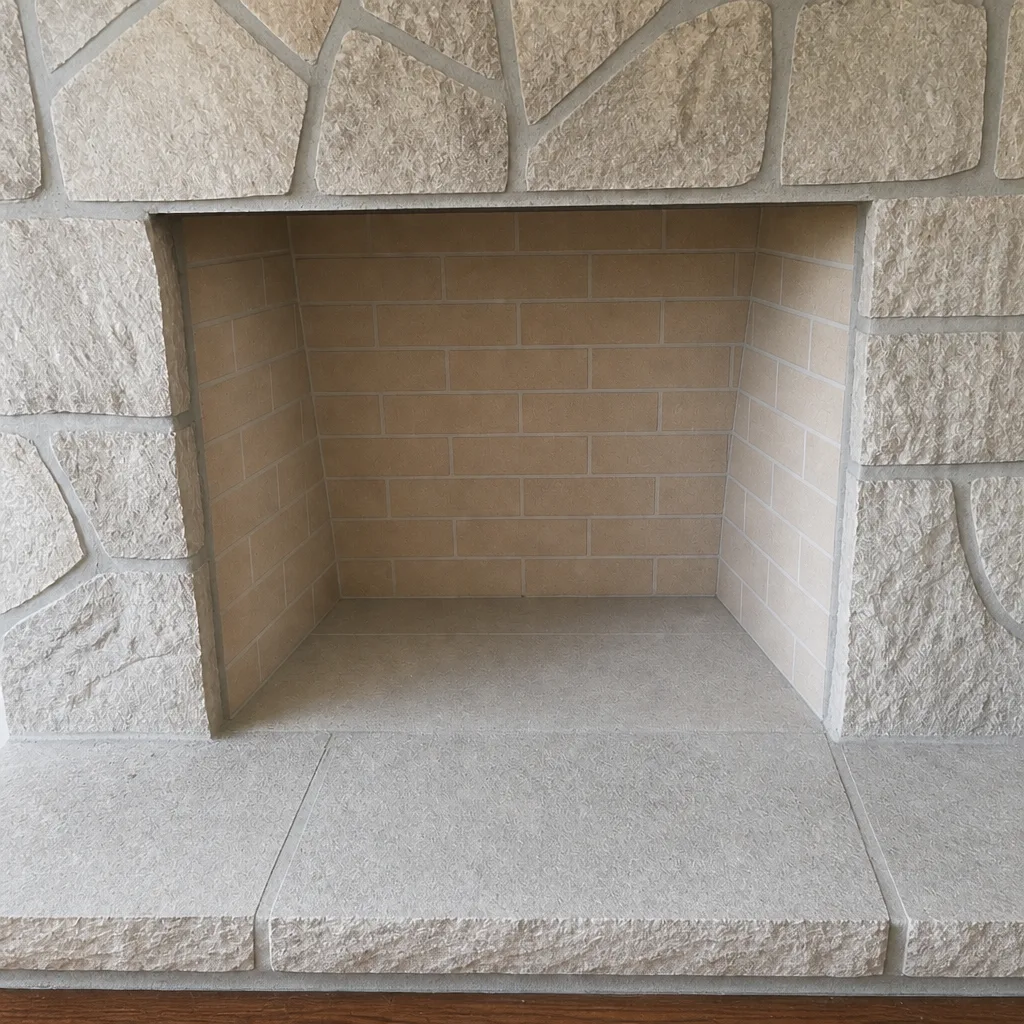
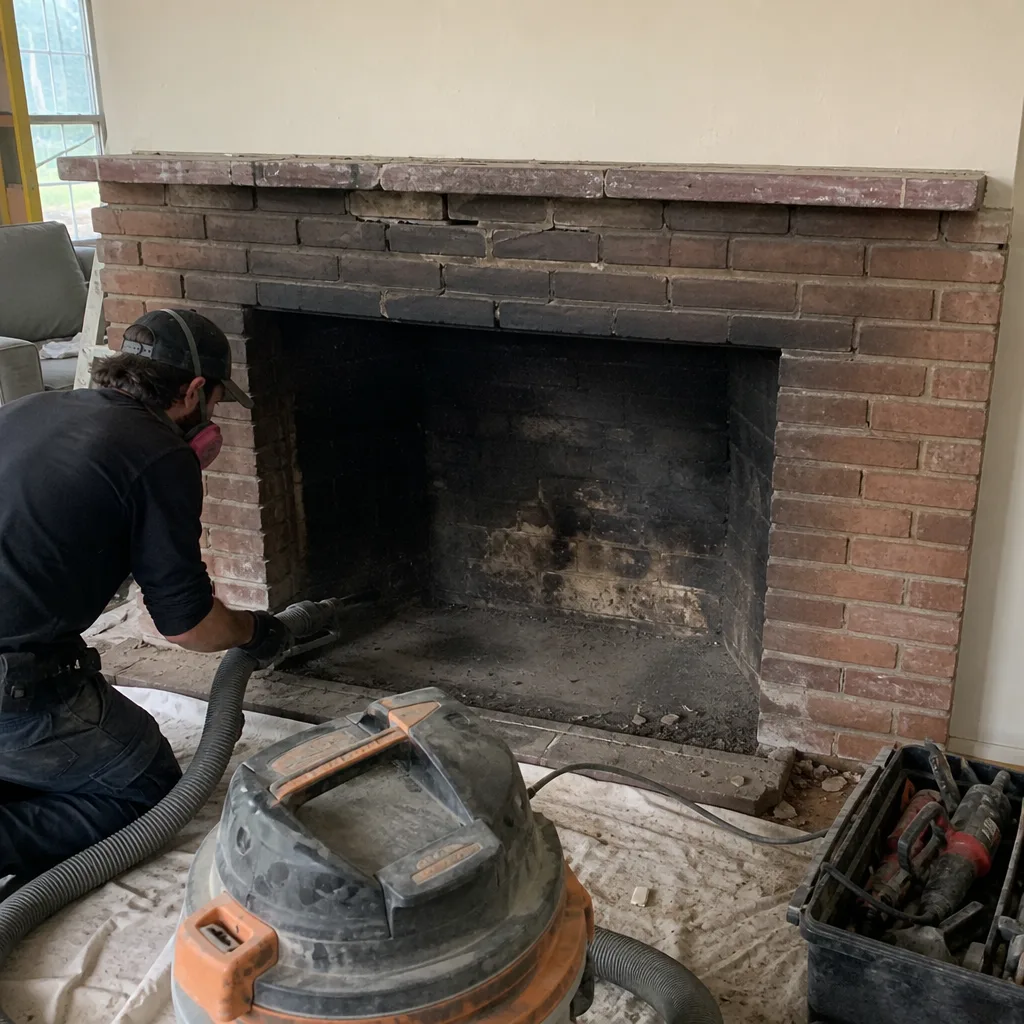
See the difference
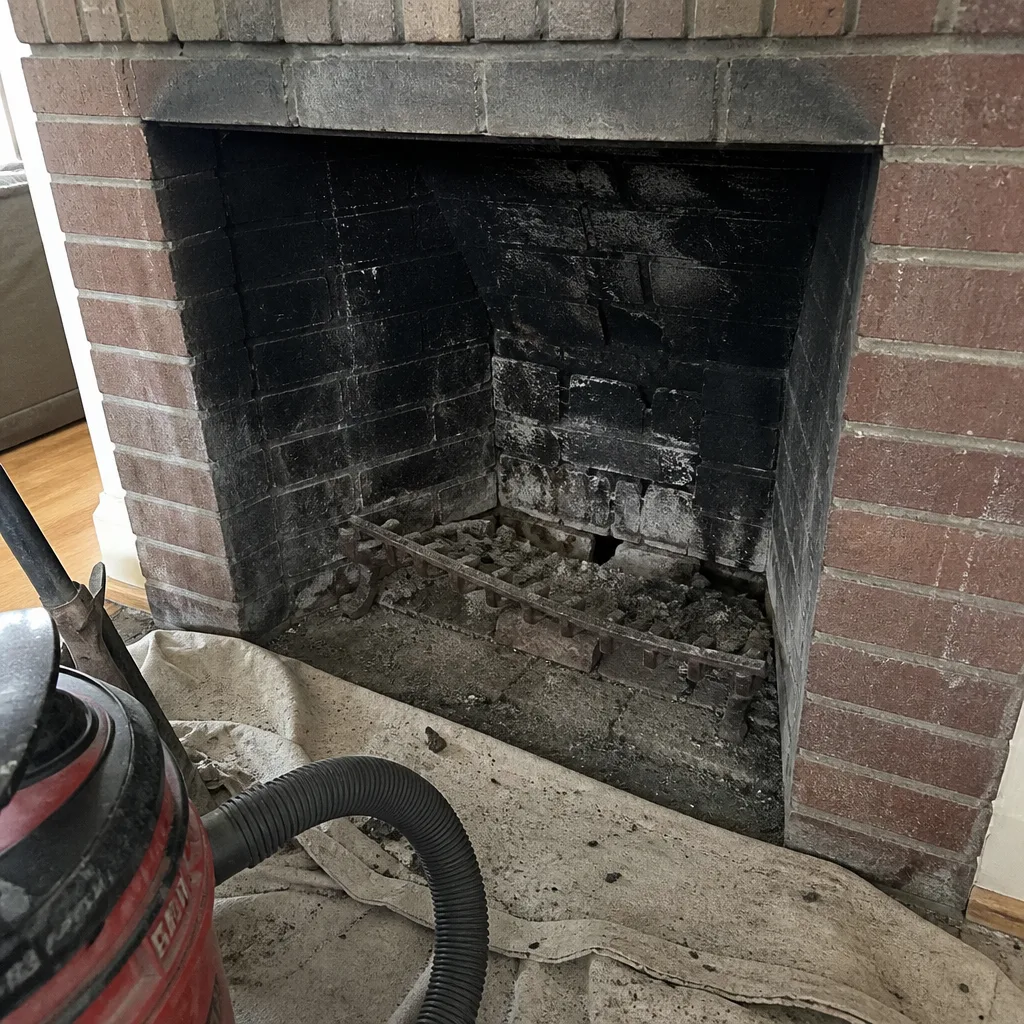 Before
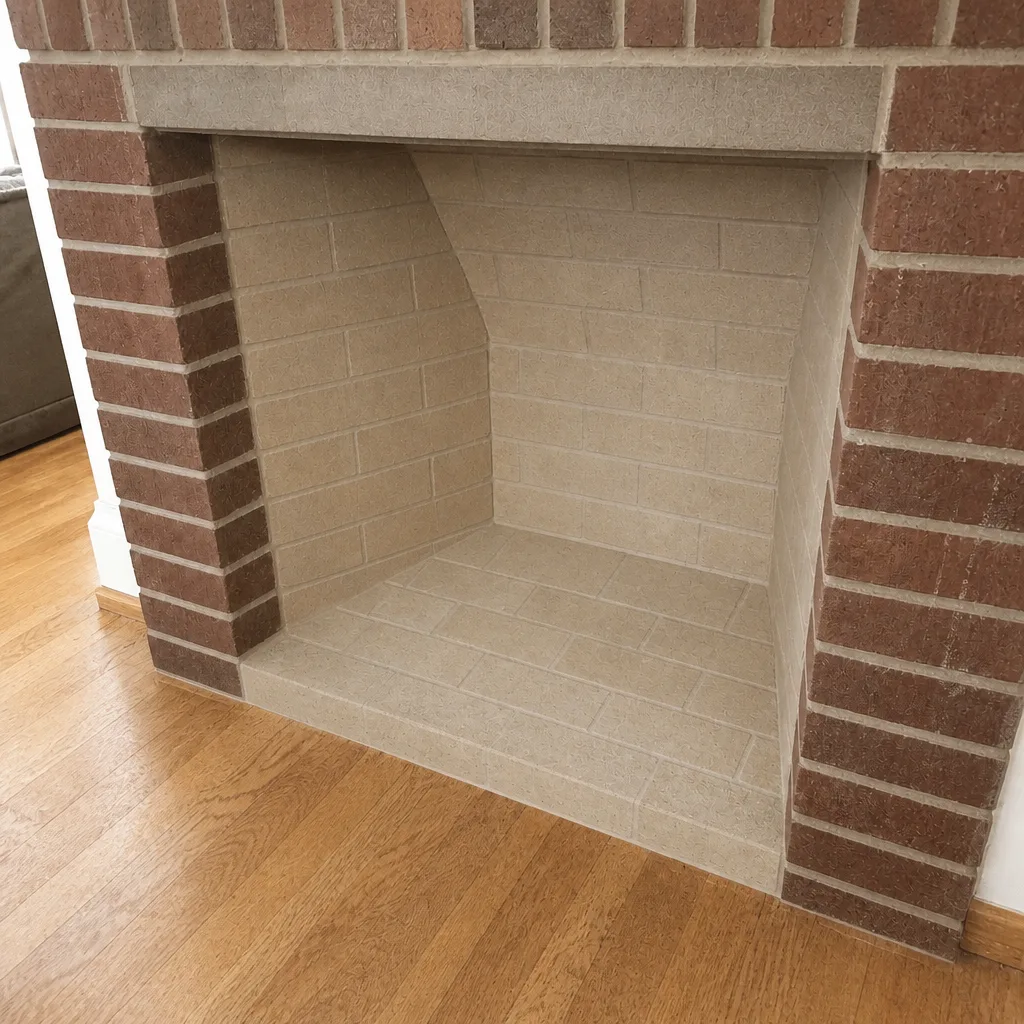 After
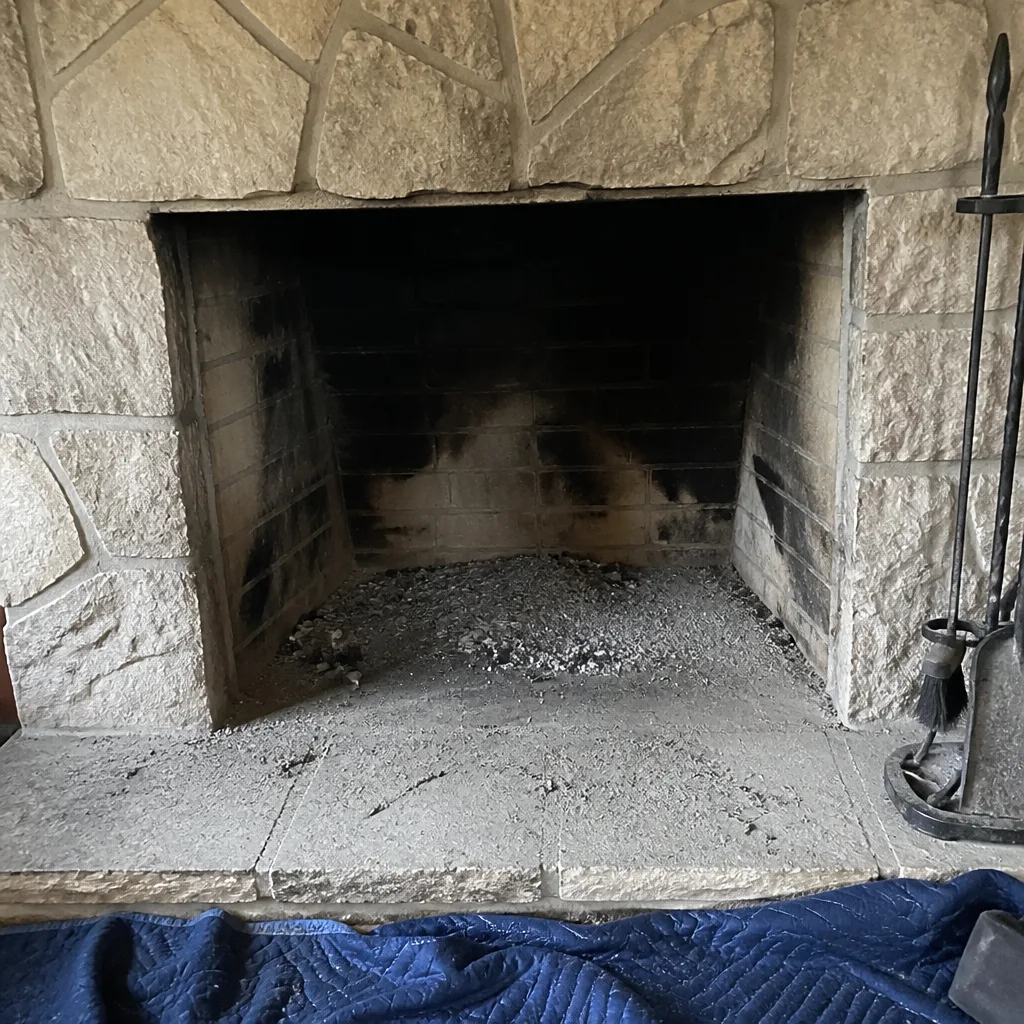 Before
 After
 Before
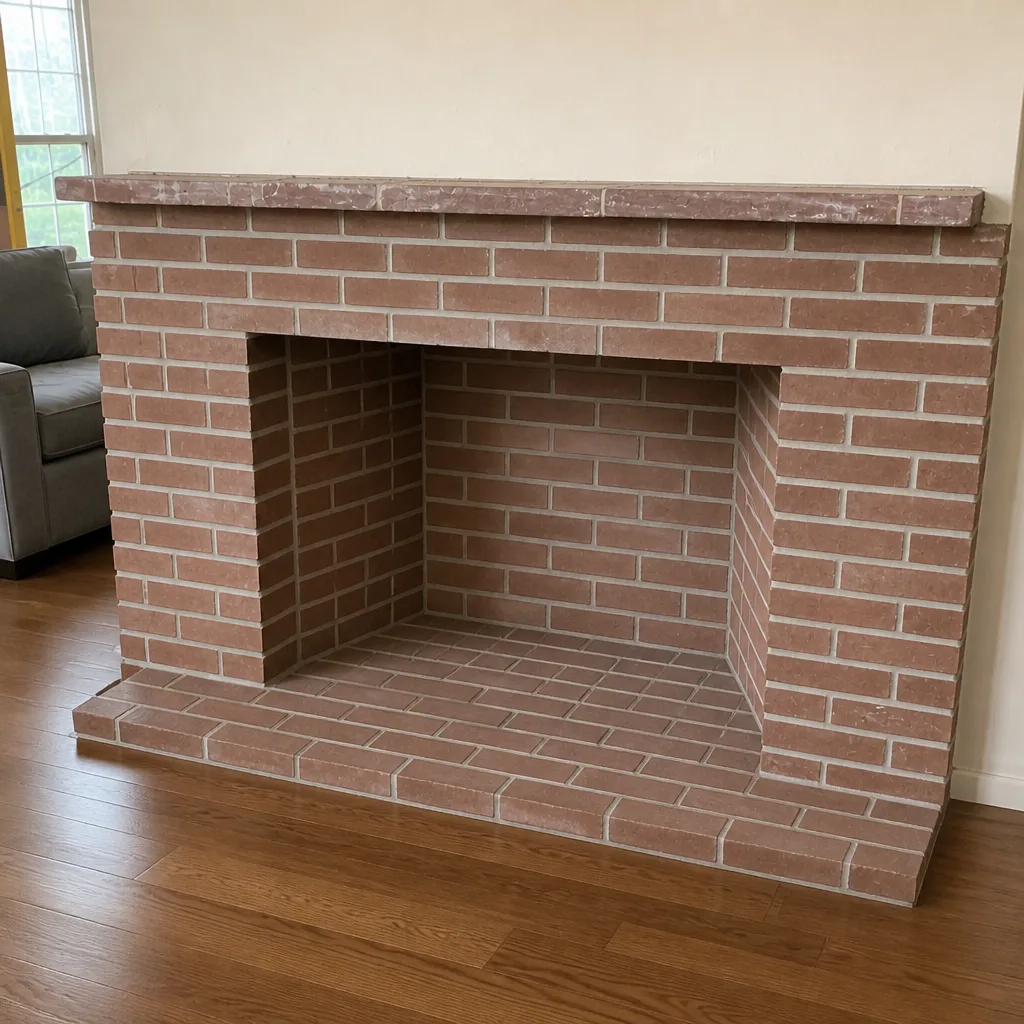 After
When to Call a Professional
Call a chimney professional before you light the first fire of the season, not after. If it has been more than a year since your last sweep, you are due. If you see black, flaky creosote built up on the firebox walls, that is visible evidence of what you cannot see higher in the flue. If you smell a sharp, sooty odor coming from the fireplace, that suggests draft problems or moisture interacting with creosote. If you hear the crumble of mortar or see fine powder at the bottom of the firebox, the chimney structure is telling you something. And if you bought a home in Silver Lake and the previous owner cannot tell you when the chimney was last professionally cleaned, the safe assumption is that it was not. Chimney Sweep Silver Lake offers free estimates in Silver Lake. Call (866) 538-0809. We answer 24/7. Fast dispatch from 7am to 7pm, Sunday through Friday.
Frequently Asked Questions
A standard chimney sweep in Silver Lake typically runs a few hundred dollars for a single-flue, single-story chimney, with the price set by the written estimate before work begins. Homes with steep roof pitches, multiple flues, or heavy creosote buildup may run higher. The estimate is free and sets the final price; call (866) 538-0809 for an exact quote on your chimney.
The National Fire Protection Association standard is to have your chimney inspected annually and swept when creosote buildup reaches a level that creates fire risk, which for most wood-burning fireplaces in regular use means a sweep once per year. Even if your fireplace sees light use, an annual inspection catches water damage, cracked flue tiles, and animal nests before they become expensive or dangerous. Silver Lake’s mild winters do not change the annual cadence.
Creosote builds up unevenly inside the flue, and as the layer thickens, it turns from soot into a hardened glaze that is more difficult and more expensive to remove. If a chimney fire does occur, it can crack terra cotta flue tiles or ignite surrounding framing, which is the worst-case outcome. Water intrusion through a damaged crown or cap continues year-round whether or not you use the fireplace. The longer you skip, the more the eventual repair costs.
The only way to know is to see the flue on camera. Cracked terra cotta tiles, gaps between tile sections, or a flue that has never been lined are the conditions that lead to a reline. If the damage is isolated, resurfacing with a product like HeatShield can restore the liner without a full tear-out. If the flue is extensively damaged, a DuraFlex stainless liner is the standard solution. No reputable company should recommend a liner without showing you the damage on video.
Yes. Creosote accumulates from every fire, and light use over years still produces enough buildup to create a fire risk. Just as important, an unused chimney still takes on water through ordinary rain, and a blocked flue from an animal nest can cause carbon monoxide problems when you finally do light a fire. Annual inspection is the baseline; sweeping happens when the camera shows it is needed.
The estimate should name the exact scope of the sweep, state that camera inspection is included, identify any repair materials by brand (such as HeatShield or DuraFlex), put warranty terms in writing, and give a fixed total price. A vague estimate that says “chimney cleaning” with a dollar figure and nothing else tells you the company is pricing on access, not on a real understanding of your chimney. Call (866) 538-0809 for a written estimate in Silver Lake; estimates are free.
The Bottom Line
Hiring a chimney cleaner in Silver Lake comes down to one distinction: specialist or generalist. The specialist holds CSIA certification, runs a camera on every job, names the materials by brand, and gives you a written estimate you can hold them to. The generalist prices low, promises vaguely, and asks you to trust a verbal report. In a neighborhood of older brick chimneys and hillside homes, the cost of getting this wrong is a chimney fire or a carbon monoxide leak you never saw coming. Vet the technician. Demand the camera. Read the estimate. And call a company for which chimneys are the whole job, not a line item.
Written by the team at Chimney Sweep Silver Lake, serving Silver Lake since 2013.