
Last updated November 4, 2026
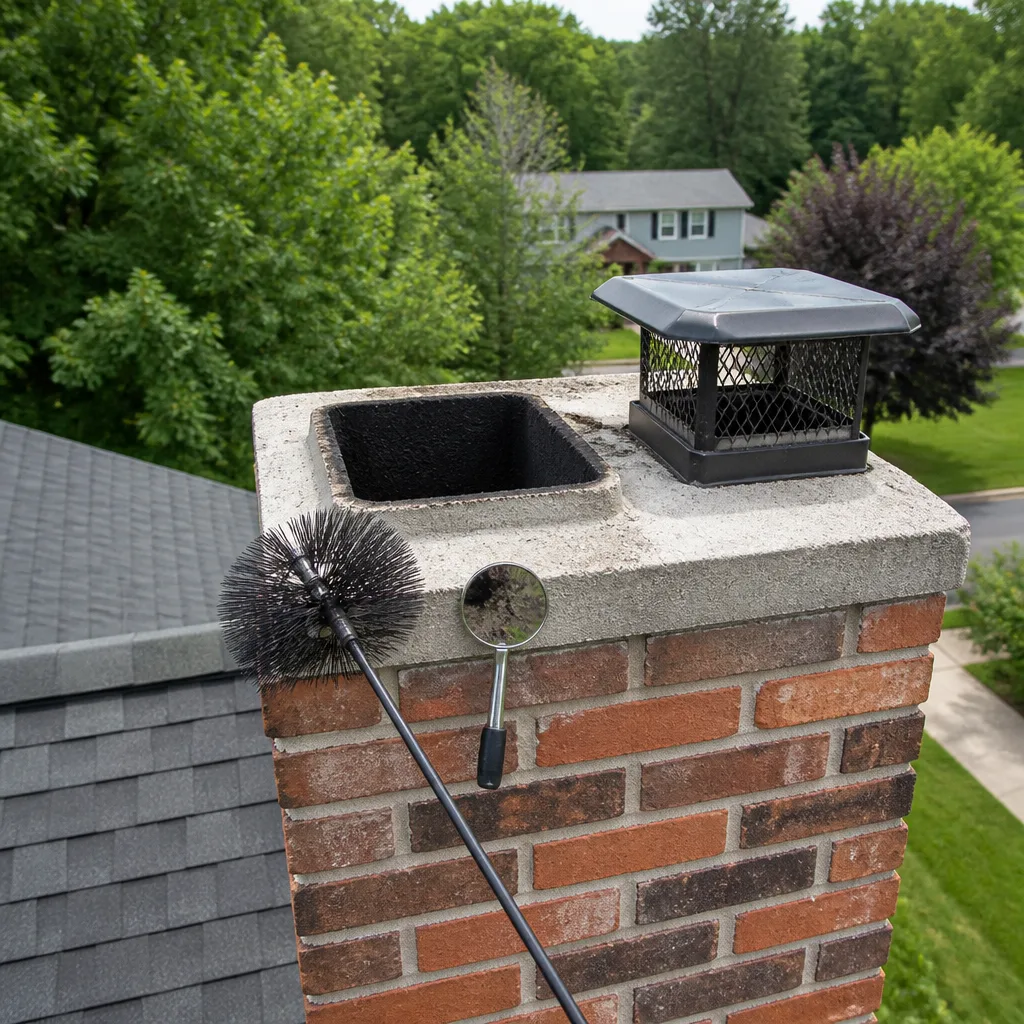 Sweep & inspection
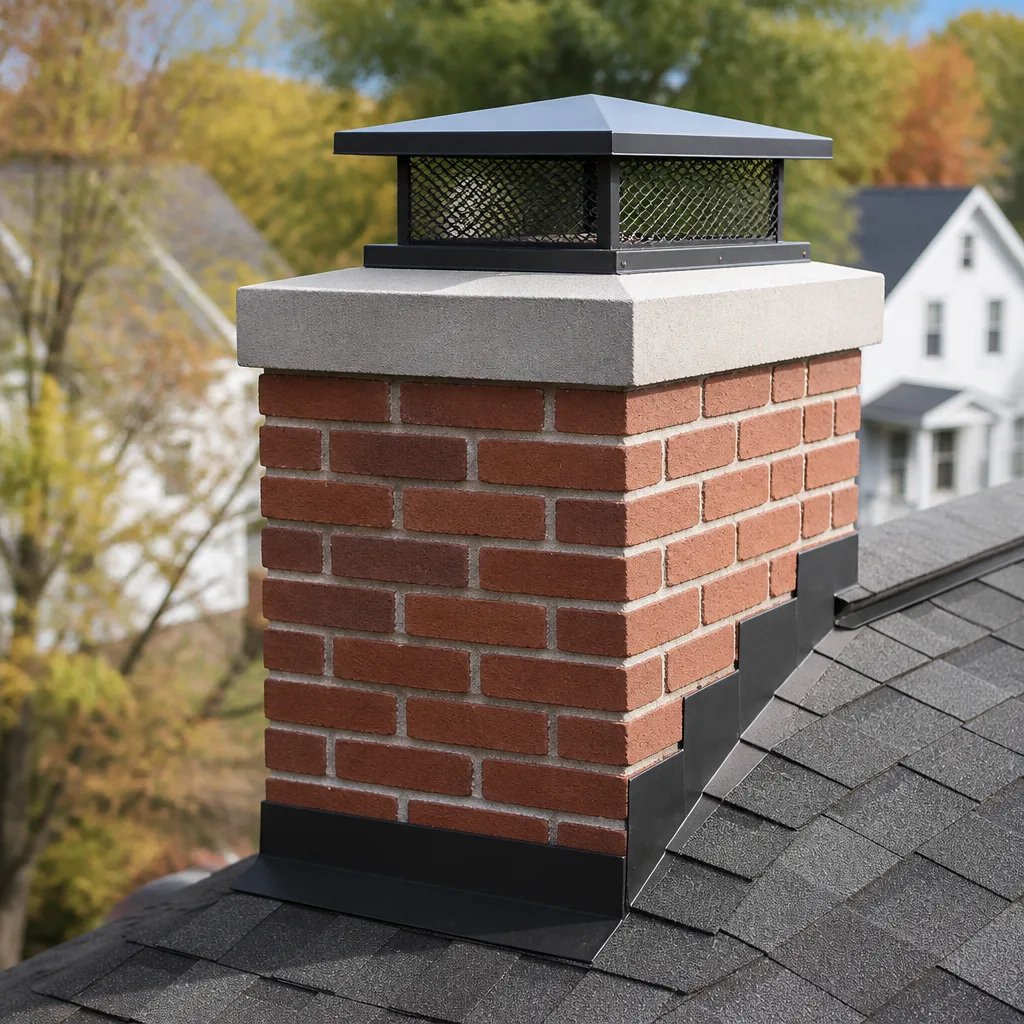 Caps & crowns
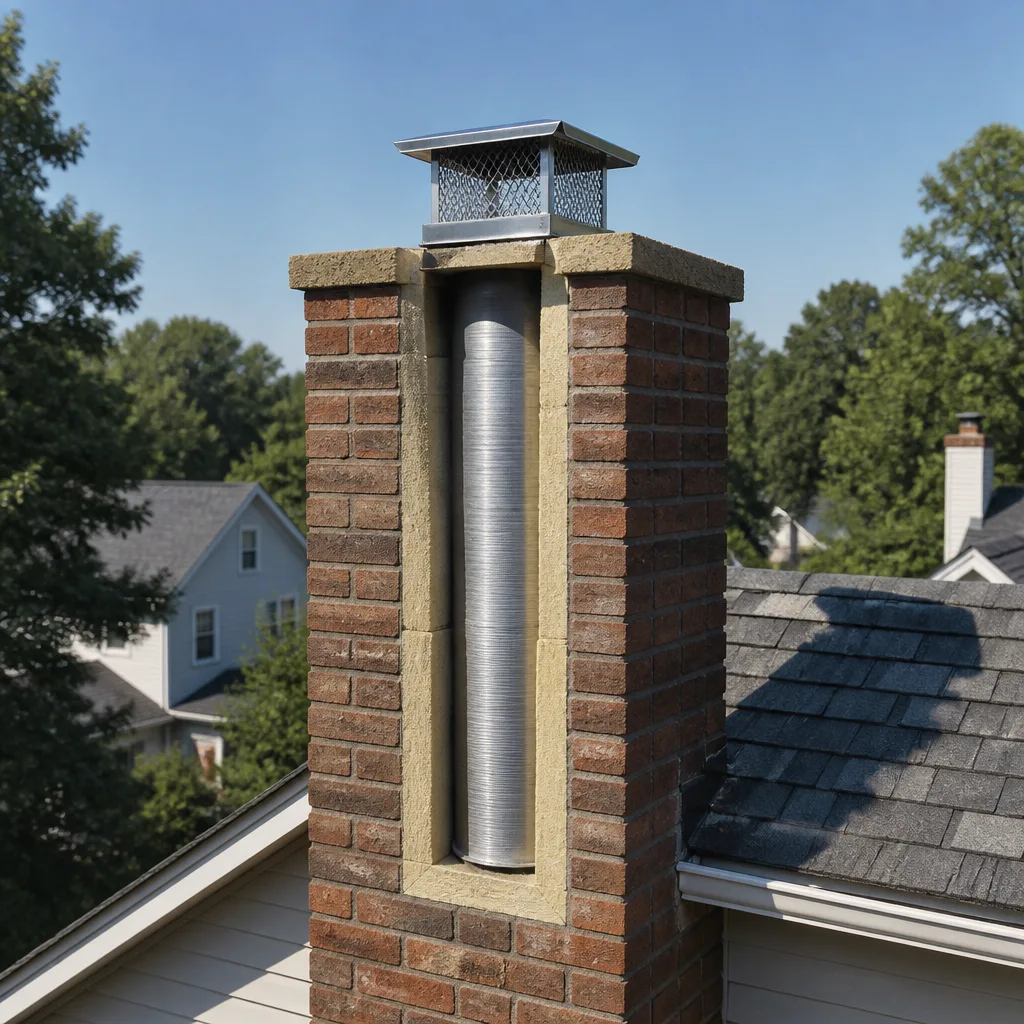 Flue relining
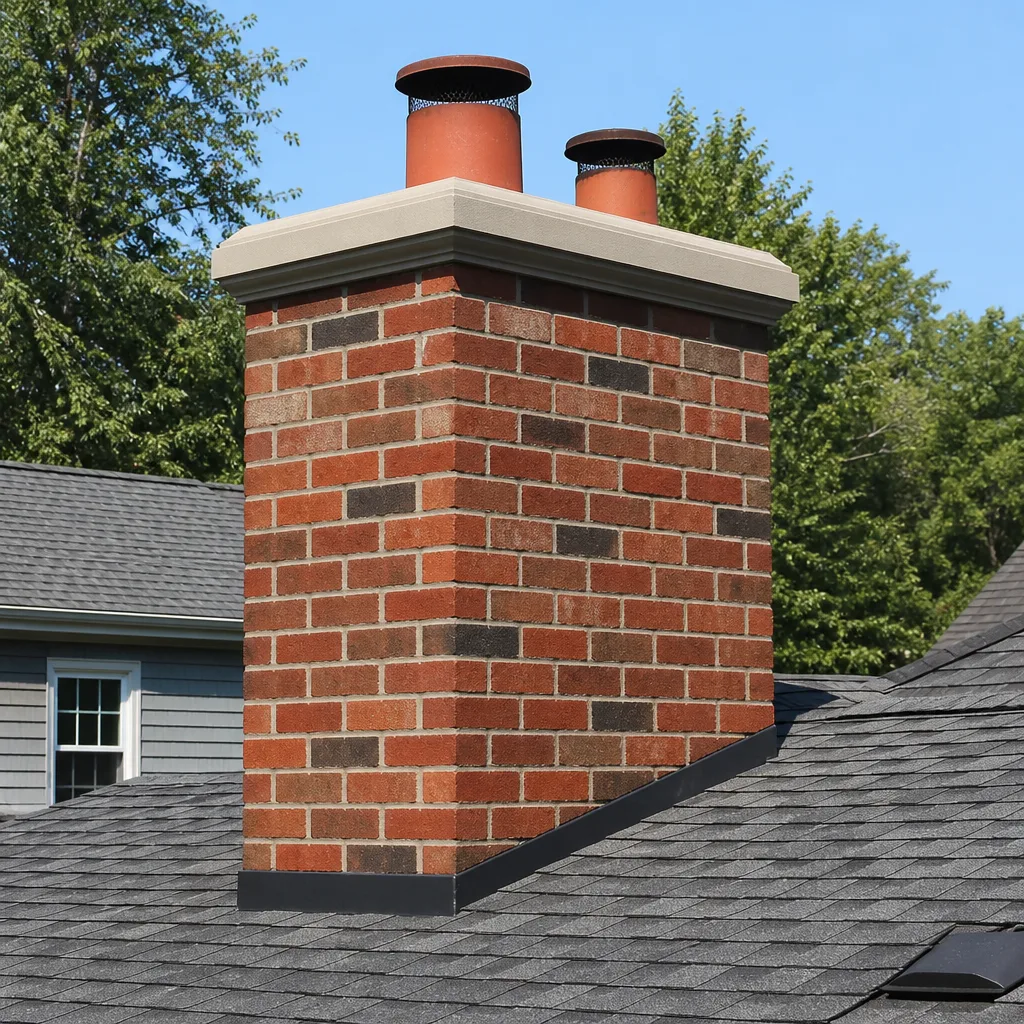 Masonry repair
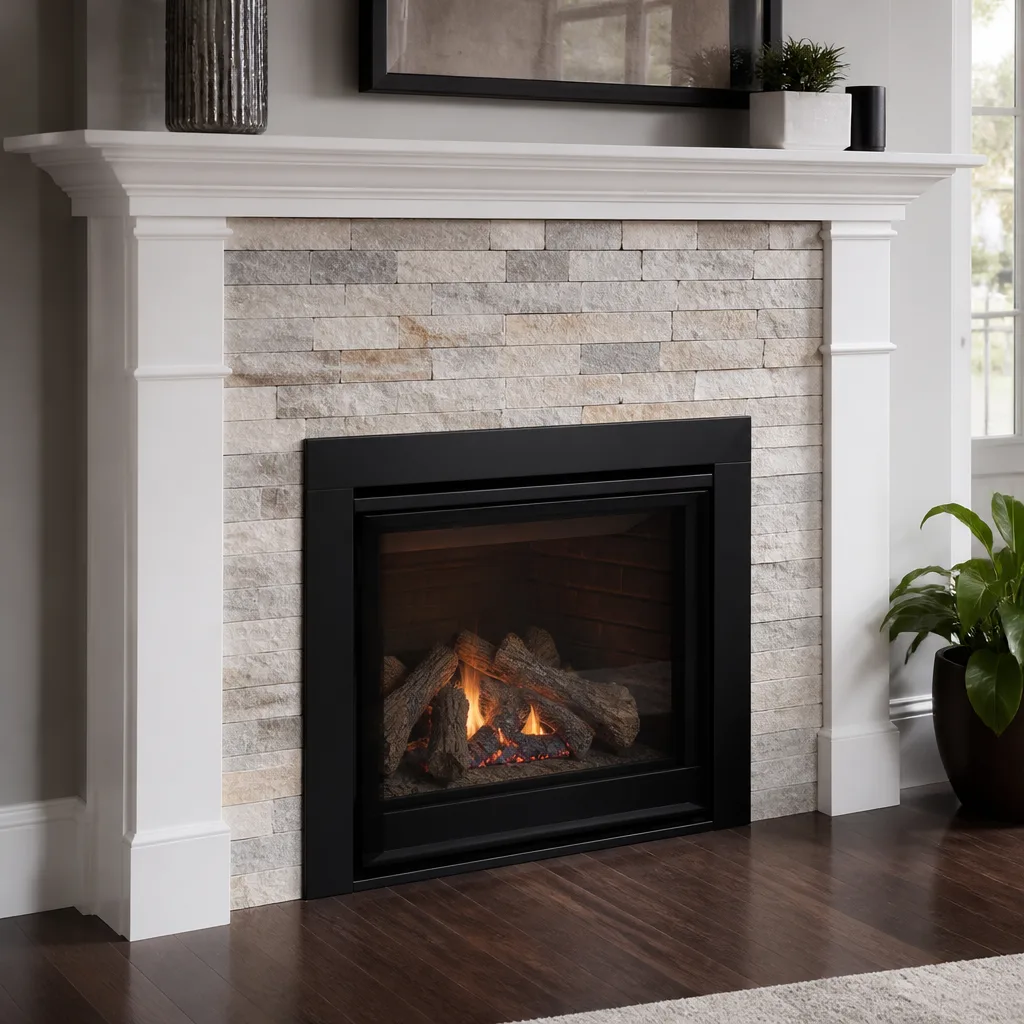 Gas fireplace service
Level 1 sweep and inspection to the NFPA 211 annual standard - flue, crown, cap, and flashing checked and photographed
Chimney sweep logs do not sweep chimneys. They loosen some creosote - which then falls where a brush and vacuum still have to collect it.
Chimney Sweep Maintenance Checklist for Silver Lake Homeowners
Most chimney checklists are written at the level of “look for damage,” which is about as useful as a car checklist that says “check if the engine is working.” Here’s the actual problem: homeowners in Silver Lake are told to inspect their chimneys, but nobody tells them what a real problem looks like versus normal wear. A hairline crack in the firebox might be cosmetic, or it might be the first sign of refractory failure. A white stain on the exterior brick might be harmless mineral deposits, or it might mean water is actively working its way through your masonry. This guide gives you pass/fail criteria for every inspection point, so you’ll know whether what you’re seeing warrants a phone call or just a note on next season’s to-do list.
Quick Answer
A chimney maintenance checklist for Silver Lake homeowners should cover the exterior masonry, flue interior, firebox, damper, smoke chamber, chimney cap, and dryer vent. The key is knowing what each inspection point should look like: hairline cracks under 1/16 inch in exterior brick are usually cosmetic, while spalling (faces of brick popping off) or efflorescence patches larger than a dinner plate indicate active water intrusion. Silver Lake’s mild climate means you won’t deal with freeze-thaw cycles, but year-round humidity and occasional rain still take a toll on masonry and mortar joints.
Styles & brands we work with
- Sweep & inspection
- Caps & crowns
- Flue relining
- Masonry repair
- Gas fireplace service
Table of Contents
- Exterior Masonry: What Actually Needs Your Attention
- Firebox Floor and Walls: Fire-Darkening vs. Real Failure
- Damper Function Test: Sticky vs. Seized
- The Smoke Chamber: The Most Skipped Inspection Point
- Flue Liner Inspection: What You Can See from Below
- Chimney Cap and Crown: Your First Line of Defense
- Dryer Vent: The Safety Item in the Same System
- How Often Should You Actually Do This in Silver Lake?
Exterior Masonry: What Actually Needs Your Attention
Stand across the street from your house and look at the chimney as a whole. You’re checking for three things: efflorescence, spalling, and mortar joint deterioration. Here’s what each one means and whether it’s still in the “watch it” category or has moved into “call someone” territory.
Efflorescence is the white, chalky residue that appears on brick and stone. It’s caused by water moving through the masonry and depositing minerals on the surface as it evaporates. Here’s the pass/fail rule we use: if the staining is smaller than a dinner plate and wipes off with a dry brush, it’s cosmetic and worth monitoring. If the stain covers more than a square foot, keeps returning after you clean it, or has a crusty, crystalline texture that flakes off, water is actively entering the masonry. That’s a repair issue, not a watch-and-see.
Spalling is when the face of a brick pops off or flakes away, leaving a rough, recessed surface. In Silver Lake’s climate, spalling is almost never caused by freezing water. It’s caused by water penetration combined with the natural expansion and contraction of materials during hot summers and mild winters. A single spalled brick might be an isolated defect from manufacturing. Three or more spalled bricks, especially in a vertical line or clustered near the roofline, indicates water intrusion through the crown or cap flashing. That needs a professional look.
Mortar joints should be intact, with a smooth, uniform surface. Run your finger along the joints when you’re on a ladder or able to reach them safely. If the mortar crumbles or comes away as sand, you’re looking at eroded joints. Minor erosion under 1/4 inch deep is common on older Silver Lake homes and can wait for your next scheduled sweep. Joints that have lost more than 1/4 inch of depth, or any joint you can fit a quarter into edgewise, are letting water into the chimney’s interior. Call a chimney sweep about repointing before the water reaches your flue liner.
Silver Lake homeowners should also check where the chimney meets the roofline. The flashing (metal strips where chimney meets roof) should lie flat against both surfaces without gaps, rust-through, or lifted edges. A lifted flashing edge is one of the most common entry points for water, and water plus masonry equals trouble faster than most people realize.
Firebox Floor and Walls: Fire-Darkening vs. Real Failure
The firebox is where your actual fire burns. It’s built from firebrick and refractory mortar, both designed to handle direct flame and high temperatures. But “designed to handle” doesn’t mean “immune to,” and knowing what’s normal versus what’s degrading is the whole point of this checklist.
Normal fire-darkening is exactly what it sounds like: black or dark brown staining on the firebrick from regular wood burning. It’s uniform, surface-level, and doesn’t change the texture of the brick. It’s cosmetic. You can have it cleaned during your next sweep, and it won’t affect function.
Refractory mortar failure looks different. Here’s what to check:
- Mortar joints that have receded or eroded more than 1/8 inch below the surface of the brick. Run a finger along the joint: if your fingertip drops into a groove deeper than the gap between the bricks, the refractory mortar is breaking down.
- Bricks that move when you press firmly against them with the fireplace cold. Firebrick should be completely rigid. Any movement means the mortar bond has failed and gaps are opening behind the brick.
- Cracks wider than 1/16 inch in the firebrick itself. Hairline cracks under that width are common and usually stable. Wider cracks can allow heat to reach materials that were never meant to handle it.
- Missing or broken bricks on the firebox floor, especially if you can see the ash dump or sub-floor beneath.
This matters because the firebox is your last barrier between the fire and the wooden structure of your home. Refractory mortar isn’t the same as the mortar in your exterior brick: it’s formulated to expand and contract at fire temperatures. When it fails, heat transfers through the gaps, and over time, that heat can ignite combustible framing. If you find any of the four items above, stop burning until a professional has inspected the firebox. HeatShield resurfacing is one option for repairing firebox and smoke chamber damage, and it’s a product we work with specifically because it restores refractory surfaces without a full teardown.
Damper Function Test: Sticky vs. Seized
The damper is the metal plate above the firebox that opens to let smoke out and closes to keep conditioned air in. Silver Lake homeowners burn less frequently than people in cold climates, which means dampers here often fail from disuse, not overuse. Here’s how to test yours and what the results mean.
- Open and close the damper using the handle or chain. It should move smoothly through its full range with consistent resistance. Note any point where it catches or requires extra force.
- Feel for “sticky” movement: the damper moves but requires effort, makes grinding sounds, or doesn’t seal completely. Sticky is a maintenance issue. It usually means creosote buildup on the damper tracks or hinge, or mild rust from humidity. It’s worth fixing within the same season, but it’s not an emergency.
- Check for “seized” movement: the damper won’t budge at all, or moves less than half its range. Seized is a safety stop. It means the damper can’t be guaranteed open during a burn, and a damper that can’t be guaranteed open is a carbon monoxide risk in your living room. A seized damper in a fireplace you use means no fires until someone frees or replaces it.
A third condition we see regularly in Silver Lake: the damper is wide open in the summer and no one realizes it because the fireplace isn’t in use. That’s not a repair issue, but it is an energy issue: an open damper lets air-conditioned air escape at a steady rate all summer. Close the damper whenever the fireplace is cold, and if you can’t tell which position is “closed,” have a professional mark it for you on the next service visit.
One more check while you’re at the damper: look past it with a flashlight. If you see a significant amount of black flaky material (creosote) or any obstruction, that’s a separate issue from damper function. A blocked flue above a working damper is the exact setup that puts smoke and carbon monoxide back into the home.
The Smoke Chamber: The Most Skipped Inspection Point
Every DIY chimney checklist covers the firebox and the flue. Almost none of them mention the smoke chamber, which is the section between the firebox and the flue liner where the chimney narrows to direct smoke upward. It’s invisible unless you know exactly where to look, and it’s the area we find problems in most often on homes that “pass” a basic visual inspection.
The smoke chamber in most Silver Lake homes built before the 1990s is constructed from corbeled brick, meaning each layer of brick steps inward slightly to create the narrowing shape. The stepped bricks create ledges where creosote and soot collect. The surface is often rough, and in many cases it was never parged (coated smooth) when the house was built.
Here’s what you can actually see from below: lie on your back in the firebox, looking up past the damper. You’re looking for:
- Missing or crumbling parge coating on the sloped walls, leaving raw brick or gaps visible
- Gaps between the smoke chamber bricks where mortar has fallen out completely
- Heavy creosote accumulation on the ledges, which appears as thick, tar-like black deposits rather than a thin dusting
- Loose bricks anywhere in the sloped section (check by gently tapping with a fire poker from a safe distance)
What you can’t see from below is the full condition of every brick, which is why professional inspection matters. We use a camera inspection during a standard sweep, and the smoke chamber is one of the first places we review. The reason this matters so much: the smoke chamber is directly above the fire. If the mortar has failed and gaps open in the chamber walls, hot gases can escape into the chimney chase before reaching the flue. By the time you smell smoke in a wall cavity, you have a much bigger problem. If your checklist finds anything suspicious in the smoke chamber, the chimney is not due for a simple sweep: it’s due for a professional assessment. HeatShield chamber resurfacing can permanently smooth and seal this area, which also makes future cleanings more effective.
Flue Liner Inspection: What You Can See from Below
The flue liner is the vertical channel that carries gases from the smoke chamber to the top of the chimney. In older Silver Lake homes, it’s typically a clay tile liner. In some newer builds or retrofits, it may be a stainless steel system like DuraFlex. The condition of the liner determines whether your chimney is safe to use, and a full inspection requires a professional camera. But there are things you can check from below with a strong flashlight, and there are warning signs you can spot without any special equipment at all.
What to check from below: shine a bright flashlight up the flue with the damper open. You’re looking for any obstruction, any visible crack or displacement in the tile sections, and any area where the liner walls look wet or stained. Most homeowners can only see the first few feet of flue from this angle, so a clear view doesn’t clear the whole chimney. But an obstruction visible from below is an immediate stop-burning condition.
What to check from outside: if you see small pieces of clay tile in the firebox after a storm or after burning, that’s a sign the liner above is cracking. Pieces don’t travel down the flue unless they’re breaking off something upstream. We’ve seen enough fireboxes in Silver Lake with tile chips on the floor to know that liner deterioration often announces itself this way long before a camera ever goes up the chimney.
Staining on interior walls near the chimney is another warning sign. If you notice brown stains or peeling paint on the wall where the chimney runs through the house, warm moist air is escaping the flue into the wall cavity. That’s a liner or moisture problem, not a cosmetic wall issue.
When a liner is cracked, displaced, or deteriorated to the point where it can’t contain heat and gases, the fix is a full reline. We install DuraFlex stainless steel liner systems specifically because they’re designed to be installed without tearing out the existing masonry, and they’re rated for continuous wood-burning temperatures. A partial patch or “see how it does” approach isn’t a thing with flue liners: the liner is either continuous and sound, or it needs replacement. There’s no middle ground, and a reline is always less expensive than a chimney fire or a smoke-damaged interior.
Chimney Cap and Crown: Your First Line of Defense
The crown is the concrete slab at the top of the chimney. Its whole job is to shed water away from the flue and the masonry below it. The cap is the metal cover that sits over the flue opening, keeping out rain, birds, and debris. Both are simple, and both fail more often than Silver Lake homeowners expect, because nobody looks at the top of the chimney until something goes wrong.
Crown inspection: from the ground or a safe roof position, look for cracks in the crown, gaps where the crown meets the flue tile, and pooling water on the crown surface. A crown with hairline cracks smaller than 1/16 inch is usually still shedding water and just needs monitoring. A crown with cracks wider than that, or with pieces missing from the edge, is failing at its only job. Water that gets through the crown saturates the brick and mortar below, accelerating every other masonry problem on this checklist. Crown repair is straightforward when caught early and becomes a teardown when ignored.
Cap inspection: the cap should sit securely on the flue tile with no gaps. A missing or damaged cap means rain goes directly down the flue into the smoke chamber and firebox, where it creates the damp, acidic mess that degrades liners and masonry. A cap with mesh sides should have intact mesh with holes no larger than 5/8 inch: big enough to let smoke out, small enough to keep birds and squirrels from treating your flue like an entrance. In Silver Lake, where the chaparral and trees around the hills support an active bird population, an intact cap mesh is the difference between a clean flue and a nesting site.
We install Famco and Olympia Chimney caps and crowns made for Southern California’s rain patterns and dry-season heat. The right cap for a Silver Lake chimney is sized to the flue tile and secured, not just set in place. A cap that fits loosely will rattle in the wind and can work its way off over time.
Dryer Vent: The Safety Item in the Same System
A chimney doesn’t operate in isolation. The same house that has a fireplace flue also has a dryer vent, and the two share a failure mode: blocked airflow plus accumulated lint or creosote equals fire. Dryer vent fires are a year-round risk in Southern California, and Silver Lake homes with laundry closets or short interior vent runs can accumulate lint faster than homeowners expect.
While this checklist is focused on the chimney, a full home-venting check should include dryer vent cleaning as a scheduled item, not an afterthought. Here’s what to check without any tools:
- Dry time: if a normal load of towels takes more than one full cycle to dry, airflow is restricted somewhere in the vent line.
- Exterior vent flap: it should open fully while the dryer runs. A flap that barely moves or doesn’t open means the exhaust pressure is too low, which means blockage upstream.
- Lint visible outside: some lint at the vent opening is normal. A steady accumulation or a cloud of lint inside the laundry area means the vent is clogged and the lint is backing up into the machine.
- Smell: a hot or musty smell from the dryer or laundry area during operation is a sign that the vent line is dirty and the dryer is working harder than it should.
Because we’re a dedicated chimney and venting company, a Chimney Sweep Silver Lake visit can cover the fireplace flue and the dryer vent in the same appointment. It’s the same principle in both systems: airflow has to move freely, and when it doesn’t, the residue of normal use becomes a fuel source.
How Often Should You Actually Do This in Silver Lake?
The standard recommendation is to have a chimney swept and inspected once a year, and that’s the right cadence for homes that burn wood regularly through the winter months. But Silver Lake burn patterns are different from the national norm, and your checklist frequency should match how you actually use the fireplace.
| Usage Pattern | Inspection Frequency | Notes for Silver Lake |
|---|---|---|
| Occasional wood fires (1-2 per month, cooler months only) | Every 18-24 months | Lower creosote accumulation; humidity is the bigger variable for masonry |
| Regular wood fires (1-2 per week, October-March) | Every 12 months | Standard cadence; schedule before the rainy season ends |
| Gas fireplace only, never wood | Every 2 years | Less creosote, but still requires flue and cap checks for debris and moisture |
| Dryer used 3+ loads per week | Every 12 months for the vent | Lint accumulation is a function of loads dried, not seasons |
| Fireplace never used, previous owner used it regularly | Inspect before first burn, even if that’s years out | Creosote doesn’t go away on its own, and previous use is unknown |
Silver Lake’s mild winters mean the chimney isn’t dealing with freeze-thaw stress, and that’s genuinely good news for masonry longevity. But the same mild climate means fireplaces often sit unused for months, then get fired up for a single holiday gathering. That’s the pattern where old creosote builds up from previous seasons, the homeowner doesn’t realize the flue is already loaded, and one evening of enthusiastic burning creates conditions for a chimney fire. If your fireplace has sat unused for a full season or longer, run the inspection items in this guide and schedule a sweep before the first fire, regardless of how recently the last sweep happened.
Common Mistakes to Avoid
- Assuming a clean-looking firebox means a clean flue. The firebox is what you can see. The flue is where creosote accumulates. The two are only loosely related.
- Skipping the visual inspection because you “only burn occasionally.” Occasional burning means longer gaps between checks, which means more time for damage to develop between inspections. The inspection is not about how often you burn: it’s about whether the system is safe when you do.
- Calling a general handyman for chimney work. Handyman work on chimneys we inspect often means a patch on the symptom while the underlying issue keeps developing. Chimney work is a specialty for a reason.
- Treating efflorescence as always harmless. Small mineral stains are usually cosmetic. Persistently returning or expanding stains are active water intrusion. The difference matters.
- Ignoring the damper because you use glass fireplace doors. Glass doors are not a replacement for a functioning damper. The damper is part of the venting system, not just an energy feature.
- Thinking a chimney cap is optional because you don’t get much rain. The cap is not just about water. It’s about birds, debris, and downdrafts. Silver Lake’s tree-lined streets and active bird population make the cap a year-round necessity.
- Running the dryer as long as it “still works.” A dryer vent can be 80% blocked and the dryer still runs. By the time it stops working, the lint accumulation is at its most dangerous point.
See the difference
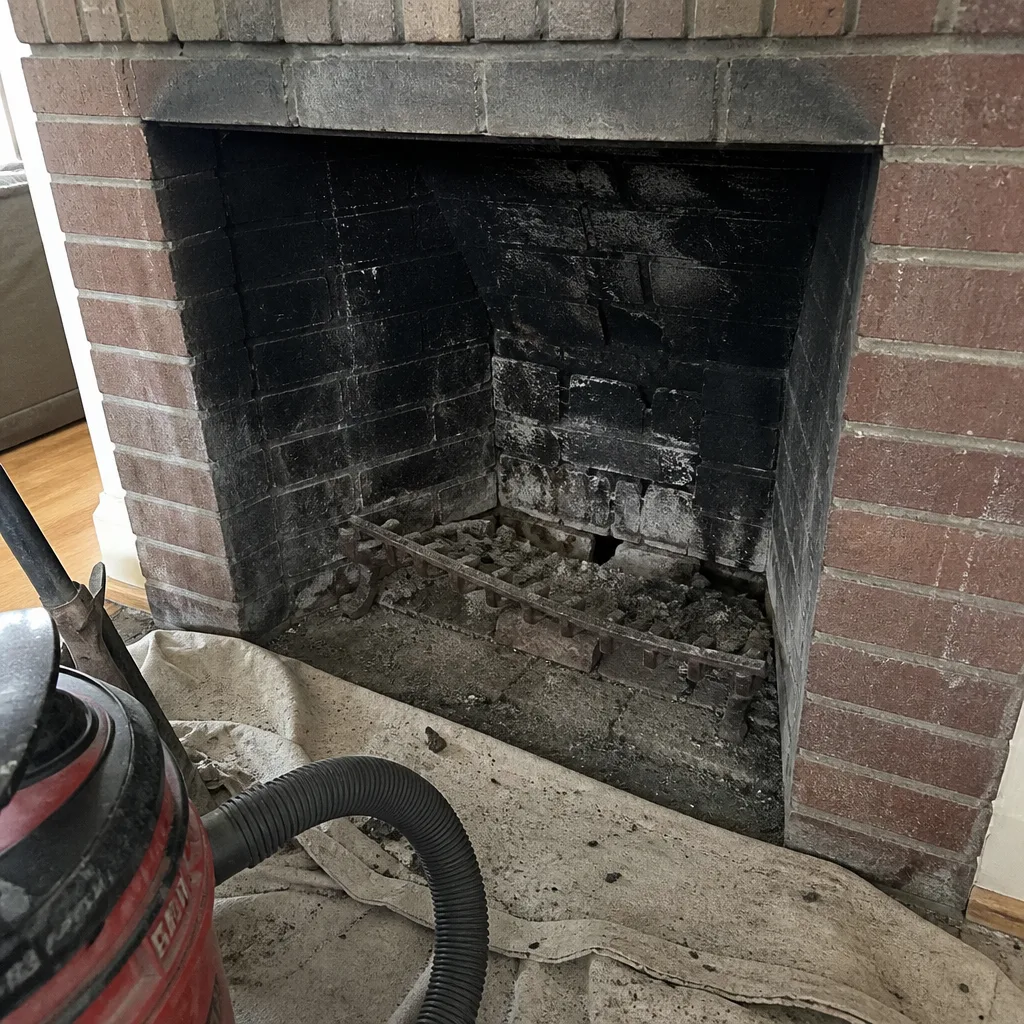 Before
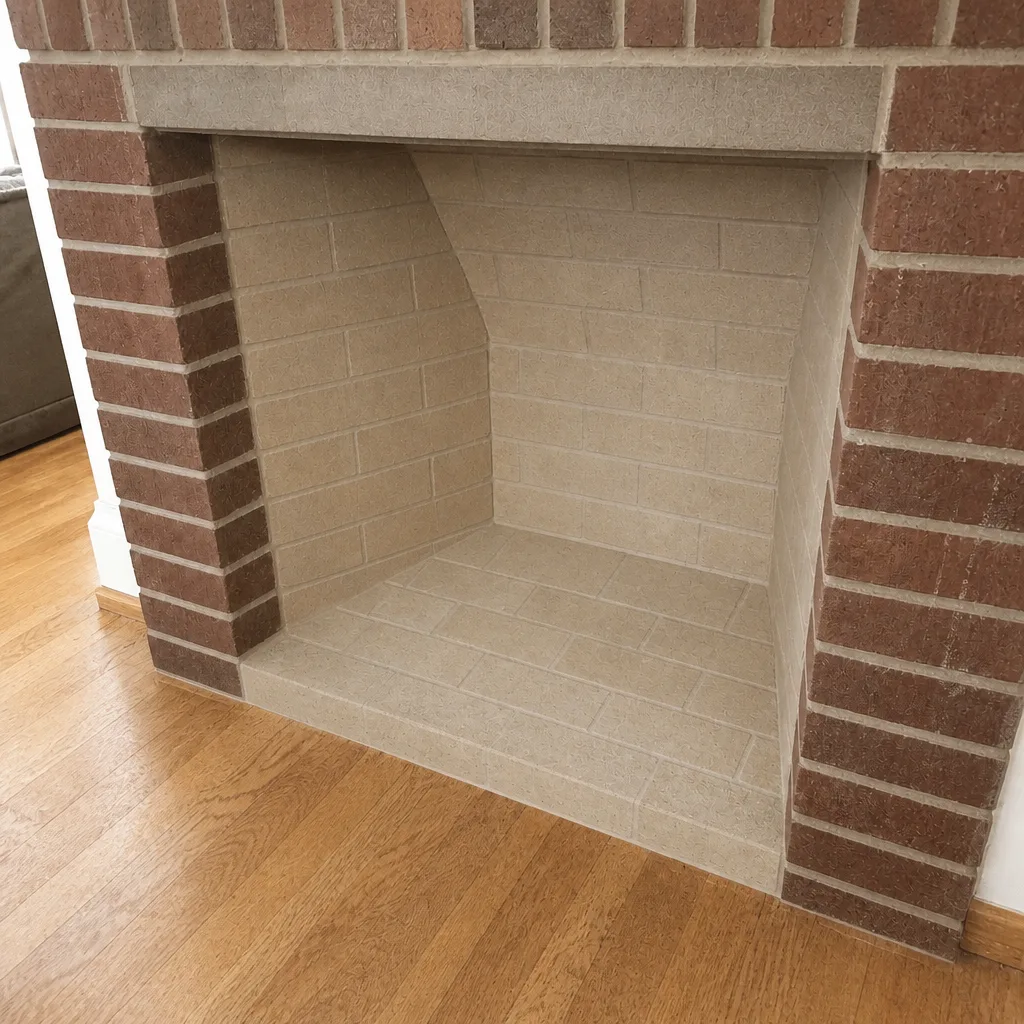 After
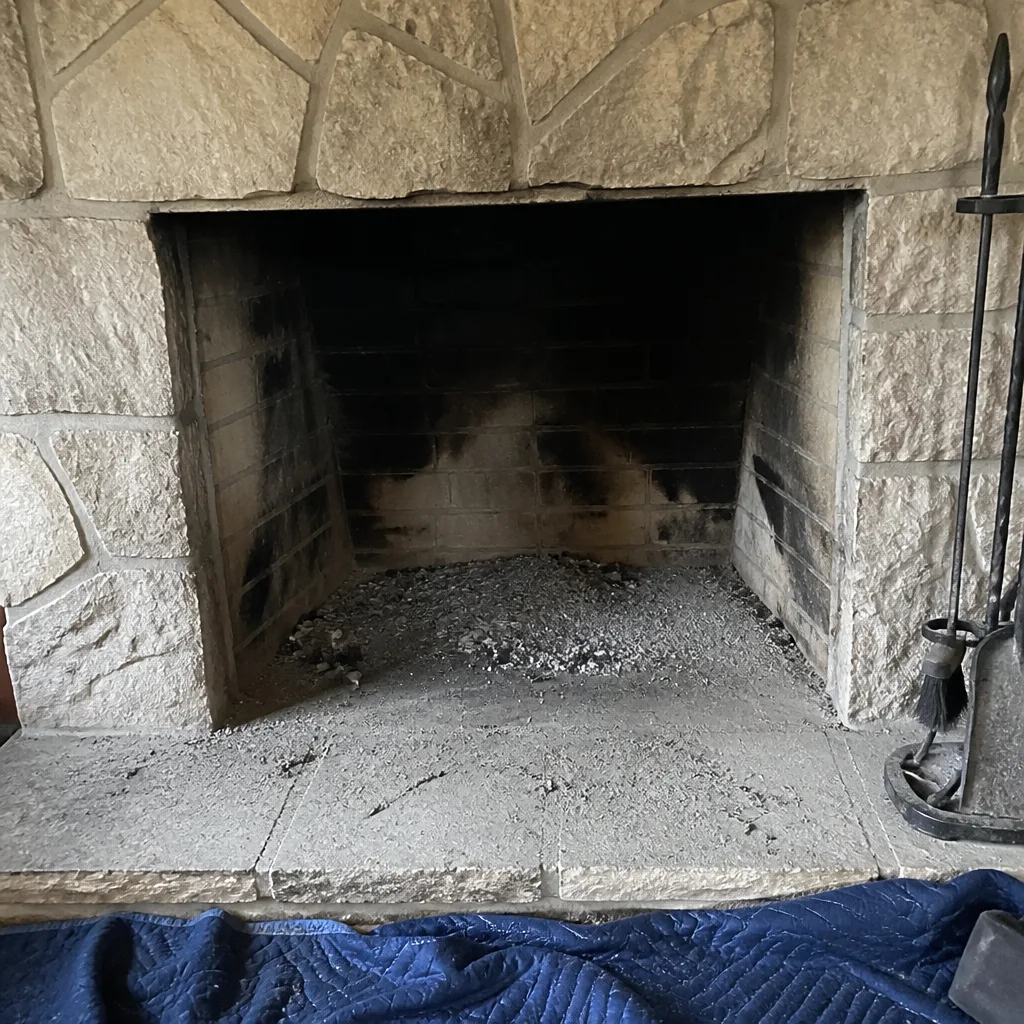 Before
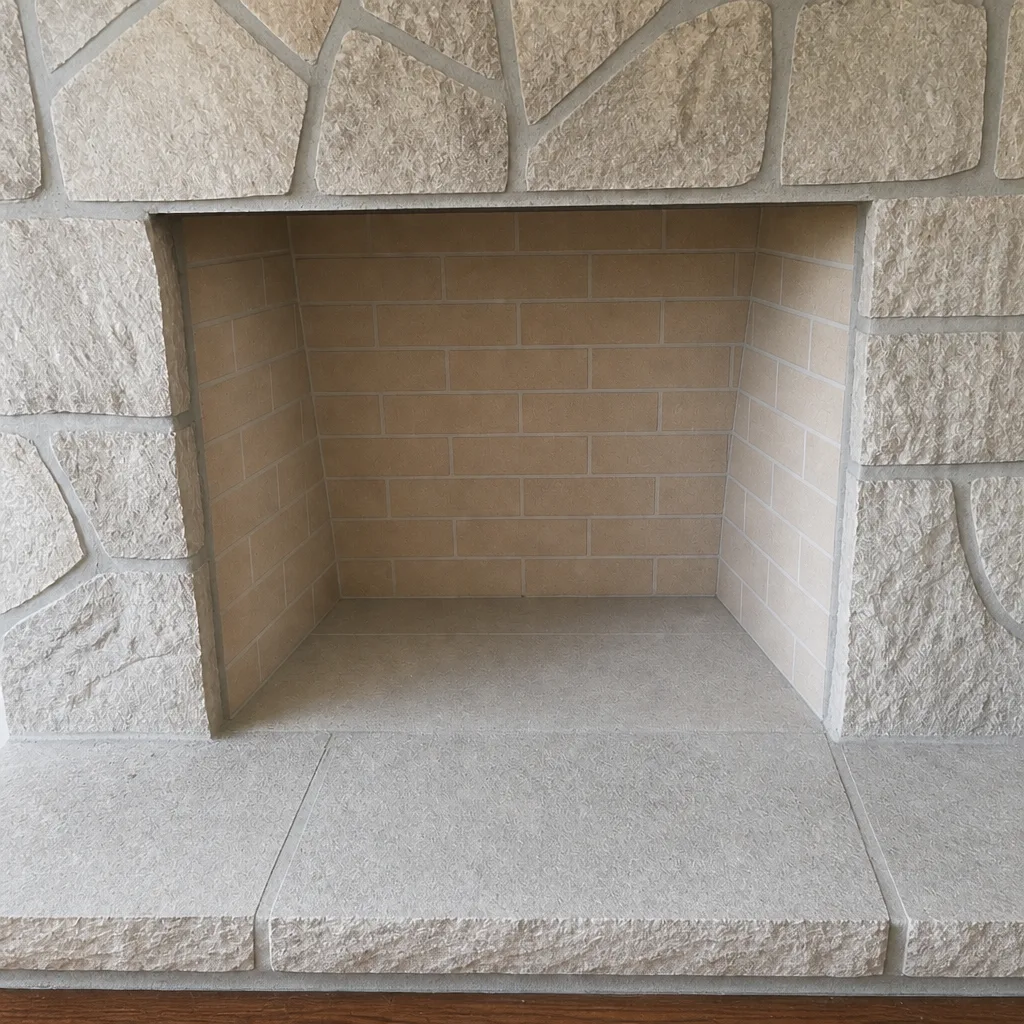 After
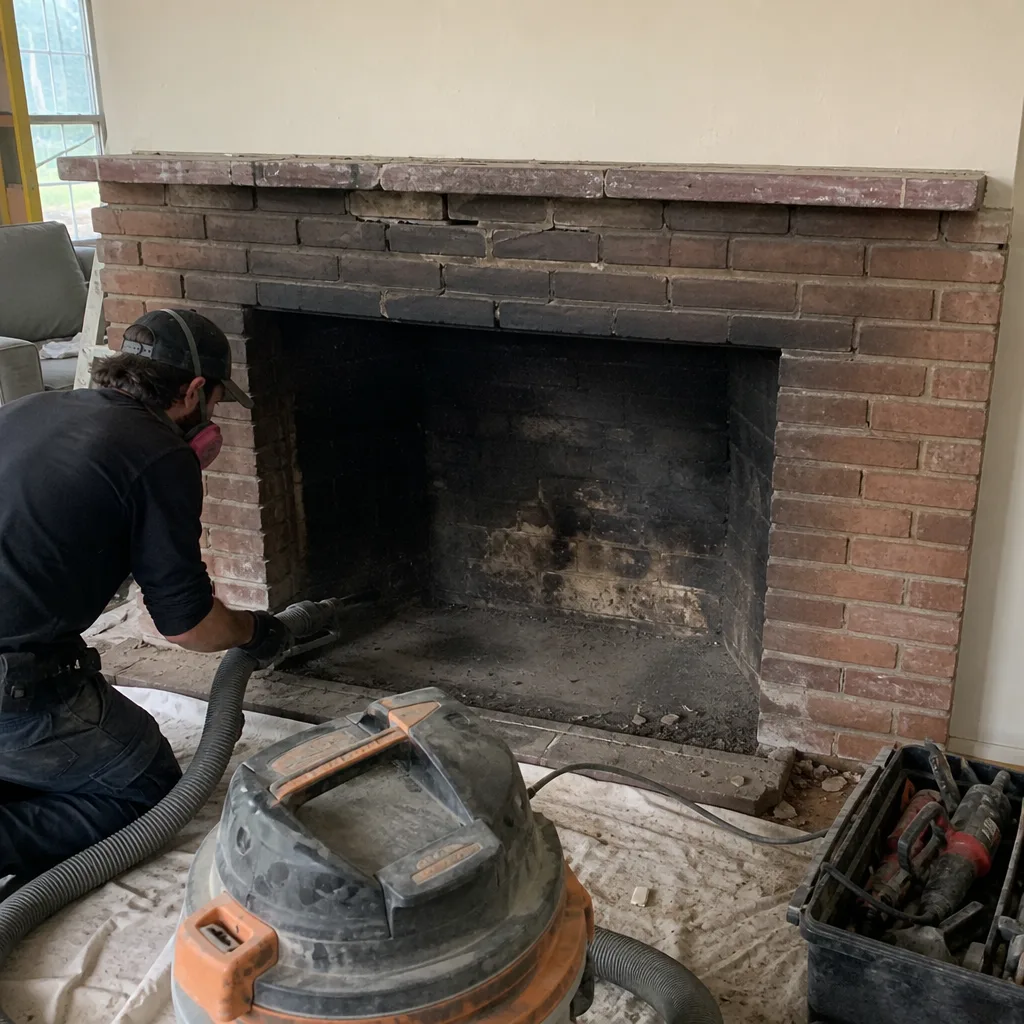 Before
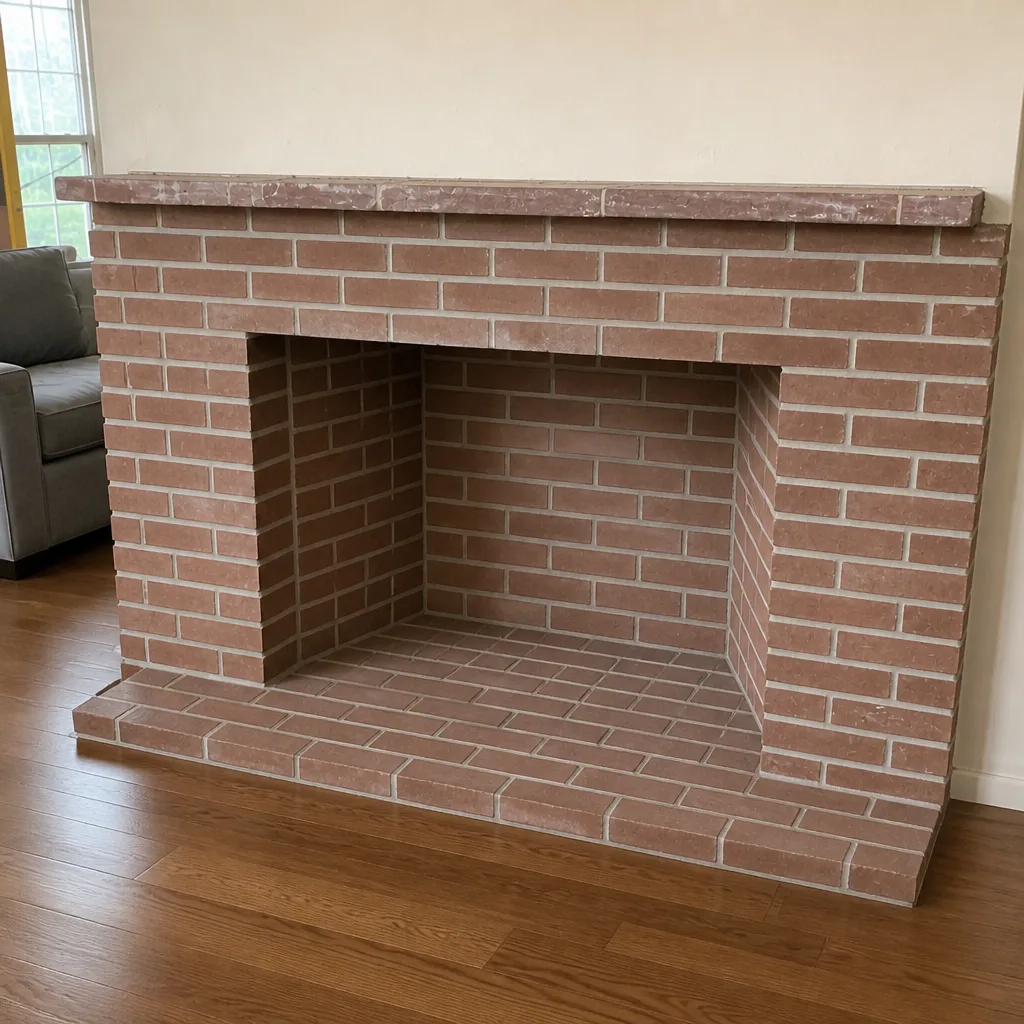 After
When to Call a Professional
Some findings on this checklist are “note and monitor.” Others are “stop using the fireplace until someone trained looks at it.” You should call a chimney professional if you find any of the following: spalled bricks clustered together or near the roofline; mortar joints eroded more than 1/4 inch deep; a seized damper or any damper you can’t easily move through its full range; firebricks that shift or move; mortar joints in the firebox receded more than 1/8 inch; anything visible in the smoke chamber that shouldn’t be there, including loose brick or heavy creosote; clay tile chips in the firebox; or you haven’t had a sweep in the window your usage pattern calls for. Chimney Sweep Silver Lake offers free estimates in Silver Lake. Call (866) 538-0809 for a scheduled inspection. We answer 24/7. Fast dispatch from 7am to 7pm, Sunday through Friday.
Frequently Asked Questions
A standard chimney sweep and inspection in Silver Lake typically runs between $180 and $340, depending on the condition of the flue, the height and accessibility of the chimney, and whether any repairs are identified during the inspection. The final price is always set by a written estimate before work begins. Call (866) 538-0809 for a free estimate. We answer 24/7.
A sweep is the cleaning of the flue system using brushes and vacuum equipment. An inspection is the evaluation of the entire chimney’s condition, from the crown down to the firebox, including the liner, smoke chamber, and damper. At Chimney Sweep Silver Lake, every sweep includes a camera inspection and photo report, because cleaning a chimney without checking its condition doesn’t tell you whether it’s safe to use.
Warning signs of liner failure include clay tile pieces in the firebox, staining or peeling paint on walls adjacent to the chimney, smoke entering the home during a fire, or a visible crack or gap in the liner when viewed from below or during a camera inspection. If any of these are present, the liner needs professional evaluation. We install DuraFlex stainless steel liner systems for full relines when the existing liner is no longer safe.
You can perform a visual inspection of the exterior masonry, firebox, damper, and what you can see of the flue from below. You cannot fully assess the flue interior, smoke chamber, or crown without professional equipment, and these are the areas where serious problems usually hide. The DIY checklist in this guide is designed to tell you when to call someone, not to replace the professional inspection.
Creosote builds up inside the flue with every wood fire, and it doesn’t go away on its own. The longer it accumulates, the more fuel is available for a chimney fire. Meanwhile, moisture continues to affect the masonry whether or not you burn, and a chimney that sits unused for years can develop structural problems that would have been caught earlier with a regular sweep. The recommended maximum interval in Silver Lake is 24 months for occasional users, and 12 months for regular burners.
Chimney inspections are not legally required for most home sales in California, but a pre-purchase chimney inspection is a standard part of a thorough due diligence process. Many Silver Lake homes were built before modern chimney standards existed, and the cost of repairing a chimney after closing is always higher than knowing the condition before you negotiate. We inspect chimneys for home buyers regularly, and the camera report gives you documentation to use in the transaction.
The Bottom Line
A maintenance checklist only helps if it tells you what to do with what you find. This one gives you pass/fail criteria for every major inspection point on a Silver Lake chimney: efflorescence under a dinner plate is cosmetic, over a square foot is water intrusion. A sticky damper needs attention this season, a seized damper means no fires until it’s fixed. Firebricks that move are a stop-burning condition. And the smoke chamber, the most overlooked section of any chimney, deserves a camera every time. Run the check. If anything fails, call (866) 538-0809 for a free estimate. We answer 24/7. Fast dispatch from 7am to 7pm, Sunday through Friday.
Written by the team at Chimney Sweep Silver Lake, serving Silver Lake since 2013.