
Last updated November 4, 2026
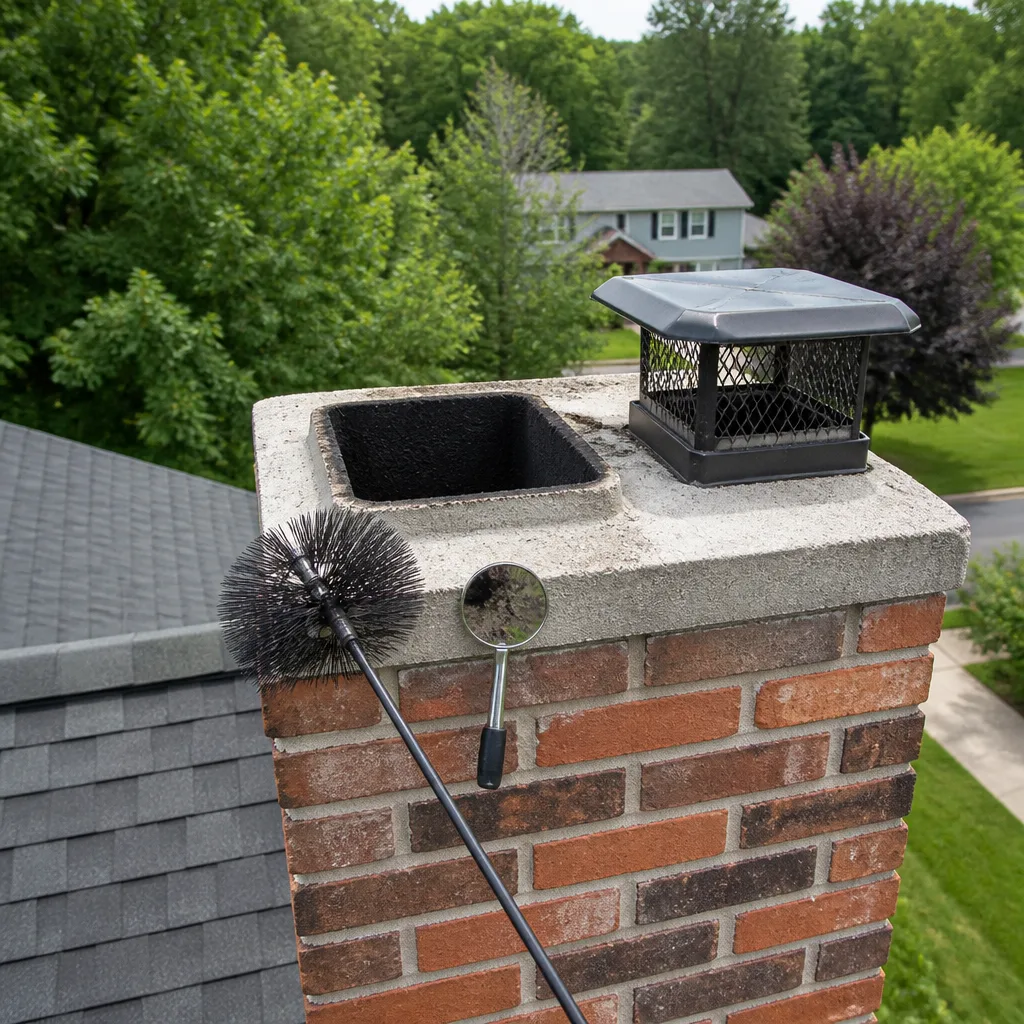 Sweep & inspection
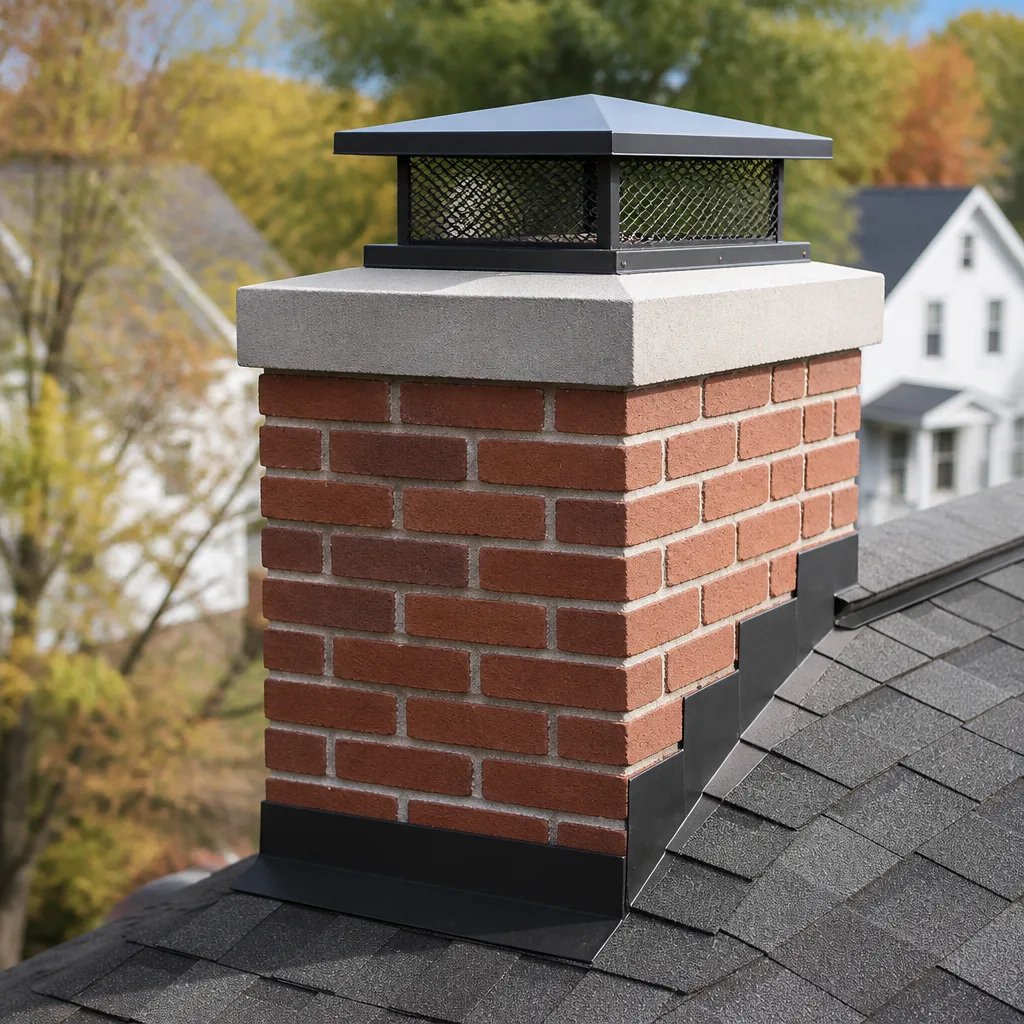 Caps & crowns
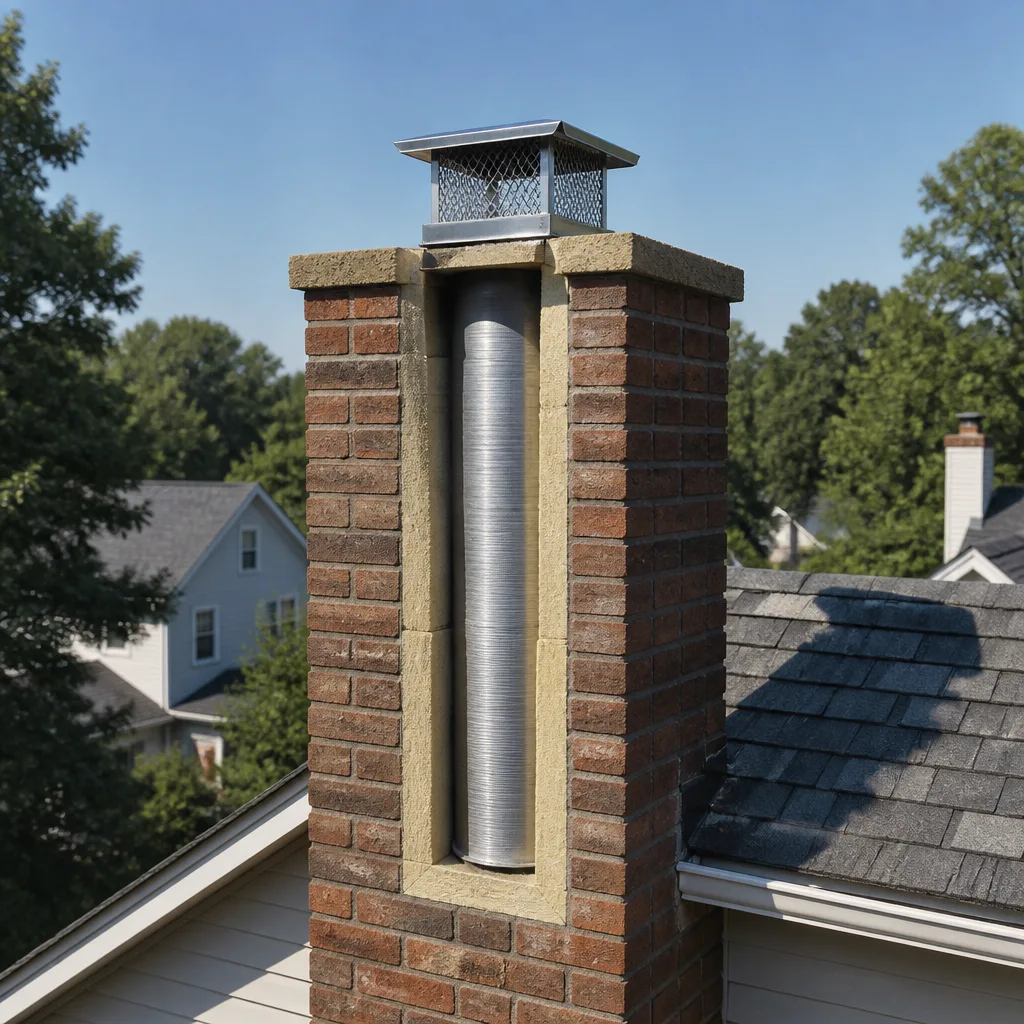 Flue relining
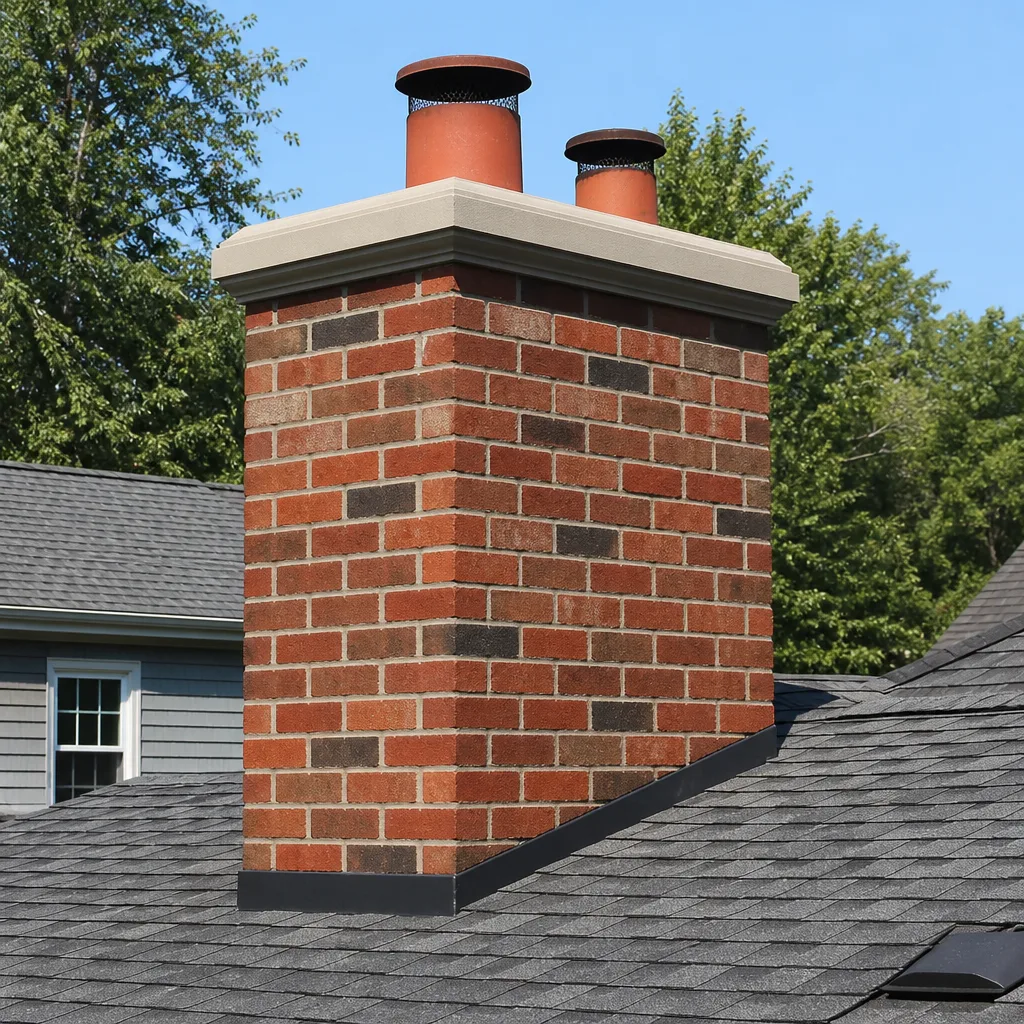 Masonry repair
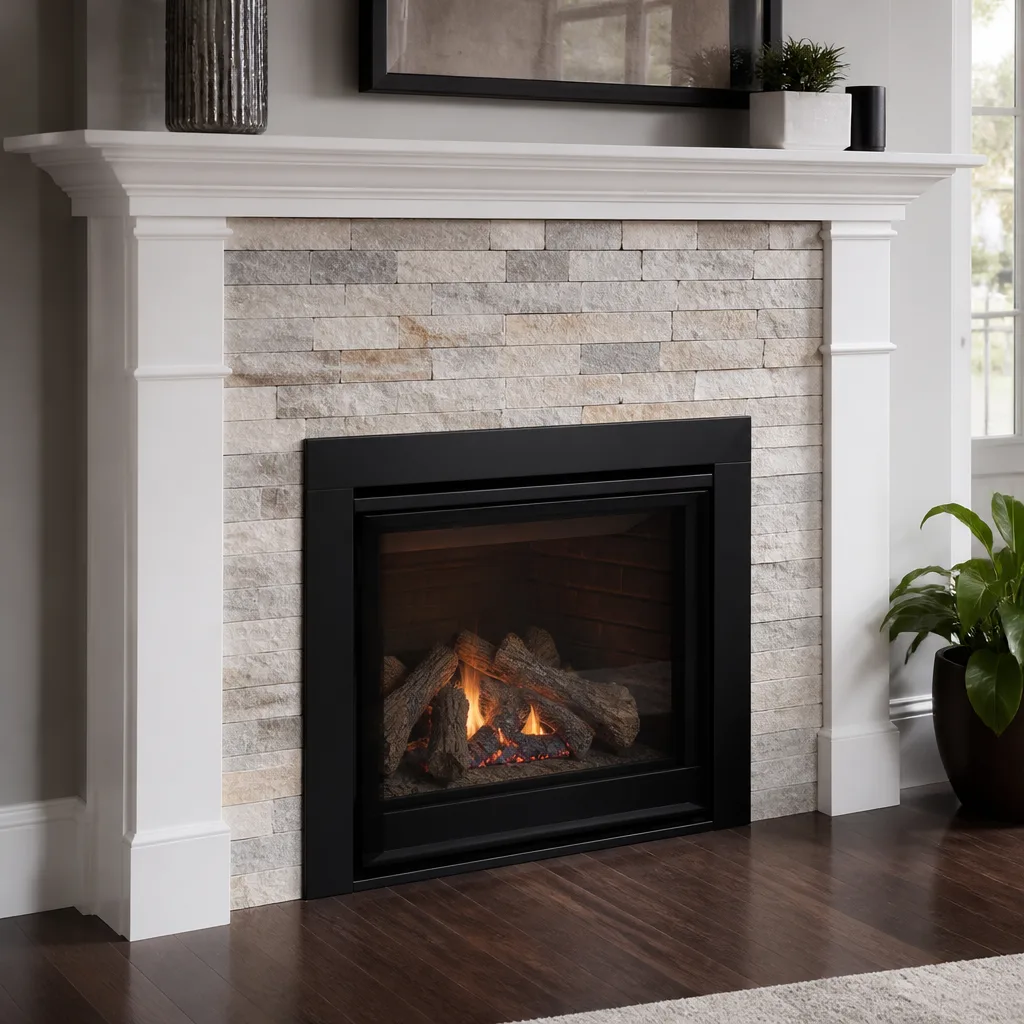 Gas fireplace service
Level 1 sweep and inspection to the NFPA 211 annual standard - flue, crown, cap, and flashing checked and photographed
Chimney sweep logs do not sweep chimneys. They loosen some creosote - which then falls where a brush and vacuum still have to collect it.
Chimney Cleaning Warning Signs: A Silver Lake Homeowner’s Reference Guide
By the time you hear a chimney fire, you’ve already missed every earlier warning it gave you. The signs that matter are the ones most homeowners explain away: the smell after rain, the slight smoke that clears up, the white staining they chalk up to age. This guide will teach you to read those quiet signals early, specifically as they appear in Silver Lake homes, where mild winters and a long dry season shape how creosote forms, how moisture moves through masonry, and when a fireplace is telling you something is wrong.
Quick Answer
The most common early warning signs that your chimney needs cleaning are a campfire smell without a fire, smoke rolling back into the room when you light a fire, dark staining on the fireplace face or chimney exterior, and a fire that seems harder to start or keep going than it used to be. Any one of these is reason to book a chimney sweep rather than wait for visible creosote buildup or a chimney fire. In Silver Lake, where houses range from 1920s Spanish Revival to mid-century modern, the specific construction of your fireplace and flue determines which signs will appear first.
Styles & brands we work with
- Sweep & inspection
- Caps & crowns
- Flue relining
- Masonry repair
- Gas fireplace service
Table of Contents
- The Campfire Smell Without a Fire
- Smoke Rollout: Reading What the Smoke Is Telling You
- Efflorescence Stains and Where the Water Is Getting In
- Spalling Brick: Age-Weathering vs. Combustion Gas Damage
- The Sounds of a Chimney Fire vs. Normal Expansion Pops
- Creosote Stages and What Each One Means for Your Flue
- Gas Fireplace Warning Signs You Should Not Ignore
- Warning Signs That Have Nothing to Do With Your Fireplace
The Campfire Smell Without a Fire
You walk into the living room in August and smell it: woodsmoke, like someone had a fire going. But the last fire you lit was in February. That smell is one of the most reliable early indicators of creosote buildup inside your flue, and in Silver Lake it behaves in ways that often confuse homeowners who have lived in colder climates.
Here is what is actually happening. Creosote is a byproduct of incomplete wood combustion. It builds up on the flue walls as a tar-like substance that carries a strong, smoky odor. When the outside air is humid, that creosote absorbs moisture and releases its odor into the living space. Silver Lake’s summer and fall humidity spikes, especially near the reservoir and in the lower-lying streets around Sunset Boulevard, create exactly the conditions that pull that smell into your home. It is not your imagination, and it is not coming from a neighbor.
Why this matters beyond the unpleasant smell:
- Stage-one or stage-two creosote can be removed with a routine sweep. Left alone, it becomes stage-three creosote, which is a hardened, glazed tar that requires aggressive mechanical removal and can mean a liner replacement rather than a simple cleaning.
- The same moisture that releases the smell is working on your flue liner. Creosote is acidic. When it gets damp, it accelerates corrosion in metal liners and deterioration in clay tile liners.
- That odor also means the flue is not drafting the way it should. A properly drafting chimney keeps creosote odors moving up and out, even in humid weather. If the smell is in the room, the draft is weak or being blocked.
One thing we see often in Silver Lake homes from the 1930s and 1940s is flue runs that are too short or have too many bends for the firebox size. Those flues never drafted well, and the creosote smell is simply stronger in them. The fix is not to light more fires and hope. The fix is to have the flue inspected, measured, and cleaned by someone who works with chimney geometry all day.
Smoke Rollout: Reading What the Smoke Is Telling You
Smoke coming into the room instead of going up the flue is a warning sign, but the pattern of that smoke tells you what kind of problem you are dealing with. Homeowners tend to lump it all together as a drafting issue. In our experience, there are three distinct presentations, and they point in different directions.
Pattern one: smoke spills into the room when you first light the fire, then clears after a few minutes. This is the classic cold-flue draft problem. The air inside the flue is dense and cold, and it sits like a plug until the firebox heat pushes it out. In Silver Lake, this is most common on winter evenings when a house has been closed up all day and the flue temperature is at its lowest. The fix can be as simple as priming the flue before lighting the main fire. If it happens every time, even after priming, you are looking at a flue that is too large for the firebox or a chimney that is too short for its roofline position.
Pattern two: smoke rolls out steadily throughout the burn, not just at lighting. That is a blockage or a severe creosote restriction. The flue is trying to move exhaust and cannot. What little smoke does rise is cooling too quickly inside a narrowed passage and sinking back into the room. This is the point where a chimney cleaning should be treated as an urgent item, not a maintenance to-do.
Pattern three: smoke only rolls out on windy days or when a bathroom fan or range hood is running. That is a house pressure problem, not a chimney problem. Your home is depressurized, and the chimney is being asked to compete with stronger exhaust systems for available air. In Silver Lake’s older housing stock, where windows have been upgraded over the years and attics sealed, this has become more common. It still warrants an inspection, but the solution may involve a fresh-air intake rather than a chimney repair.
The takeaway: smoke does not come into a room for no reason. The way it behaves is information. Describe the pattern accurately when you call for a sweep, and the technician can bring the right tools and approach the job knowing what they are likely to find.
Efflorescence Stains and Where the Water Is Getting In
Efflorescence is the white, chalky staining you see on the outside of brick chimneys. It forms when water moves through masonry, dissolves salts inside the brick and mortar, and carries those salts to the surface where the water evaporates and leaves them behind. It is a moisture indicator, and the location of the stain tells you where the water is coming in.
Crown-level efflorescence. White staining concentrated at the top of the chimney, right below the crown. This means rainwater is soaking into the crown or the top courses of brick. The crown has cracks, was never properly sloped, or has lost its seal. Water pools and seeps. In Silver Lake, this is the most common efflorescence we see, simply because the crown is exposed to full sun and the expansion and contraction of the masonry over decades opens hairline cracks that let rain in during the winter wet season.
Body efflorescence. Staining in the middle sections of the chimney, often in vertical streaks. This points to moisture entering through the brick face itself or through deteriorated mortar joints. Older Silver Lake homes with original lime mortar are particularly susceptible. Lime mortar breathes, which is good, but once it erodes, it becomes a sponge. The brick then pulls in that moisture and releases it slowly.
Base efflorescence. White staining at the bottom of the chimney where it exits the roof or meets the fireplace structure. This means water has already made its way through the upper chimney and is migrating down. It is the most advanced stage of visible efflorescence. The good news is that it is still usually fixable without a full rebuild. The bad news is that it has been wet inside for a while.
Efflorescence itself is cosmetic. The water behind it is not. It accelerates spalling, corrodes metal components, and in a fireplace that is used regularly, it can interact with creosote and combustion residue to form acidic compounds that eat at the flue liner. Treat any efflorescence as a sign to have the chimney inspected, not just whitewashed. A specialist can trace the moisture path and address the source.
Spalling Brick: Age-Weathering vs. Combustion Gas Damage
Spalling is when the face of a brick flakes off, leaving a pitted, crumbled surface or exposing the softer inner core of the brick. Homeowners often assume it is just what old brick does. Sometimes that is true. Sometimes it is not, and the difference matters.
Age-normal weathering shows up as uniform erosion across the entire chimney face. Every brick is affected in roughly the same way, and the mortar joints show similar weathering. This is the result of decades of sun, rain, and wind. In Silver Lake, chimneys that have stood since the 1920s through the 1950s show this kind of even, gradual surface loss. It moves slowly. A chimney with age-normal weathering might need tuckpointing or a crown repair eventually, but it is not in active structural decline.
Sulfate attack from combustion gases looks different. The spalling is concentrated, often in bands or irregular patches, and it moves faster than normal weathering. The cause is chemical. When flue gases, including sulfur compounds from burning wood, meet moisture inside the masonry, they form sulfuric acid. That acid dissolves the lime in mortar and weakens the brick. The damage happens from the inside out. By the time it shows on the exterior, the interior face of the chimney has already been compromised.
Two ways to distinguish them on sight. First, age-weathering is spread evenly; sulfate attack is patchy and progressive. Second, sulfate attack is often accompanied by visible mortar deterioration along the same band of brick, and the flakes of brick that come off may feel sandy or grainy rather than crisp. If you are not sure, a chimney professional can sample the area and identify the pattern faster than you can research it.
The reason this distinction matters in Silver Lake is that many original chimneys were built with unlined or lightly lined flues by modern standards. Those chimneys have now seen generation after generation of use. When combustion gas damage is active, the appropriate response may be a Silver Lake chimney resurfacing or relining job, not just a parge coat over the exterior. We carry HeatShield resurfacing material for exactly this situation. It is designed to restore the interior flue surface without demolishing the original chimney.
The Sounds of a Chimney Fire vs. Normal Expansion Pops
Most people have never heard a chimney fire, or they have heard one and did not know it. We describe the sound so clearly that when you hear it, you will recognize it immediately. This is the difference between an evening fire and an emergency.
Normal expansion pops. When you light a fire and the firebox, damper, and flue begin to heat, the metal components expand. You hear small, sharp ticks or pops, like the sound of a hot car engine cooling down, but in reverse. They are intermittent, they are not loud, and they fade after ten or fifteen minutes as temperatures stabilize. The sound comes from the metal parts, mostly the damper assembly. It is normal.
A chimney fire sounds different. It is often described by people who have been through one as a roaring or rumbling sound, like a freight train passing at a distance but contained inside the walls. It is continuous, not intermittent. It can include a low, rhythmic whooshing as the fire pulls air through gaps in the flue. Some people hear crackling that sounds like heavy rain on a roof. In a severe chimney fire, the sound can be audible from outside the house. The noise comes from the entire flue, not one metal component, because the entire flue is involved.
What you do if you hear it: close the damper if you can safely reach it, get everyone out of the house, and call the fire department. Do not throw water into the firebox. Do not climb onto the roof. After the fire department has cleared the structure, call a chimney professional before the fireplace is used again. A chimney fire damages flue liners, cracks mortar joints, and can compromise the structural integrity of the chimney in ways that are not visible from the ground.
In Silver Lake, where many homes sit close together on hillside lots and older streets, a chimney fire is a neighborhood risk, not just a house risk. The embers and heat that escape a compromised flue during a chimney fire can spread quickly. The preventive answer is simple: do not let creosote accumulate to the point where it can ignite.
Creosote Stages and What Each One Means for Your Flue
Chimney professionals use a three-stage classification for creosote buildup. Understanding the stages helps you grasp what you are looking at if you shine a flashlight up your flue, and why a routine sweep at the right time prevents a much larger job later.
- Stage one: flaky, soot-like film. This is the earliest form. It looks like a thin layer of dark dust or fine soot on the flue walls. It is easily removed with a standard chimney sweeping. If your fire burns hot and you use properly seasoned wood, you might only accumulate a light stage-one layer over a season.
- Stage two: crunchy, granulated tar. This is the point where creosote has baked into a granular texture. It looks like dark, glittering flakes and it needs more aggressive mechanical brushing to remove. At this stage, the flue is beginning to insulate itself, which means future creosote deposits accumulate faster because the flue walls no longer heat as evenly.
- Stage three: glazed, hardened creosote. This is the dangerous one. Stage-three creosote is a solid, tar-like coating that looks like black glass. It is difficult to remove with standard chimney sweeping tools. It is also the most flammable form of creosote. At this point, the flue may require chemical treatment, rotary cleaning equipment, or in the worst cases, liner replacement.
What drives the progression from one stage to the next is not just how often you burn. It is how you burn. Fires that are allowed to smolder, unseasoned wood, and flues that run through cold exterior walls all accelerate creosote formation. In Silver Lake, the long dry season means firewood that is stored outdoors dries well, but only if it is covered and stacked properly. Wood that has been sitting uncovered through a winter rain or two will burn dirtier, and that dirtier burn means more creosote, faster.
If you are seeing stage-two or stage-three creosote in your flue, this is not a matter of postponing a cleaning to save money. You are now one hot fire away from a chimney fire. A sweep removes the fuel before it becomes an event.
Gas Fireplace Warning Signs You Should Not Ignore
Gas fireplaces do not produce creosote, but they do have their own set of warning signs, and Silver Lake homeowners with gas inserts or gas log sets should know them just as well as wood-burning fireplace owners know the smell of creosote.
Soot buildup on the glass or on the logs themselves. A properly adjusted gas fireplace burns clean. Soot is a sign of incomplete combustion, which usually means the air-to-fuel mixture is off. In a vented gas fireplace, that unburned fuel is being sent up the flue, where it can accumulate on the flue walls. The flue in a gas fireplace still needs periodic inspection and cleaning, even though there is no wood involved.
A gas smell that persists more than a few seconds after lighting. A brief puff is normal. A persistent gas odor means a leak or a delayed ignition issue. This is one of those situations where you should stop using the fireplace and call a professional.
Flames that burn yellow or orange instead of blue. Gas flames should have a blue core. A predominantly yellow or orange flame indicates incomplete combustion, which produces more carbon monoxide. This is a health and safety issue, not just an efficiency concern.
Visible corrosion on the burner or inside the firebox. In Silver Lake’s dry climate, corrosion inside a gas fireplace usually points to moisture getting into the flue from above, or to combustion byproducts condensing inside the firebox because the unit is not venting properly. Either way, it is a warning sign.
The rule for gas fireplaces is the same as for wood-burning ones: they need an annual inspection. The service is a Chimney Sweep Silver Lake specialty, and it covers the firebox, the burner, the gas connection, and the full flue run from the unit to the chimney cap.
Warning Signs That Have Nothing to Do With Your Fireplace
We are going to say something that surprises some homeowners: the most dangerous vent in your house is probably not your chimney. It is your dryer vent. Lint is more flammable than creosote, and it accumulates faster. If you use your dryer regularly, you are building up a fire hazard inside a pipe in your wall, and you are probably not thinking about it because the dryer seems like an appliance, not a combustion system.
Clothes take longer to dry than they used to. This is the number-one early warning sign. It means airflow is restricted, and the restricted flow means lint is piling up in the vent pipe rather than being pushed through.
The dryer gets unusually hot during a cycle. The unit is working harder to push air through a narrowed passage. Excess heat is the enemy. It is what ignites lint.
You smell a musty or burning smell when the dryer runs. A musty smell means moisture is condensing inside the vent because it cannot escape. A burning smell is more serious and means lint is already being heated to the point of smoldering.
The vent flap outside does not open fully when the dryer is running. This is easy to check from outside. If the flap is stuck or barely opens, you have a blockage.
Professional dryer vent cleaning removes the lint from the entire vent run, not just the accessible part behind the machine. In many Silver Lake homes, that vent run is long, with multiple turns inside walls and ceilings, which makes professional cleaning even more important. This is a core service for us, not an afterthought, and we handle it with the same attention to airflow and safety as a chimney sweeping.
Common Mistakes to Avoid
- Ignoring the summer smell. You will not be lighting fires for months, so the smell seems harmless. It is not. It is a sign that creosote is active in the flue and absorbing moisture. Book the sweep now, in the off-season, when the work is easier to schedule.
- Burning the creosote off with a “hot fire.” Some well-meaning advice suggests building a very hot fire to burn away creosote. The problem is that creosote does not “burn away” harmlessly. It ignites, and a hot fire that is hot enough to affect creosote is hot enough to start a chimney fire.
- Assuming a gas fireplace never needs service. Gas fireplaces produce carbon monoxide, and their flues still need to be inspected. If you have a gas fireplace that has not been looked at in years, you are running a combustion appliance on autopilot.
- Painting over efflorescence. It will come right back, because the moisture driving it is still inside the masonry. What you will have done is seal water into the brick, which accelerates spalling.
- Ignoring a dryer that takes longer. Longer dry times are not a sign of an aging appliance. They are a sign of restricted airflow. A new dryer installed on the same clogged vent will perform the same way.
- Waiting until the fall to think about the chimney. Chimney sweeps get busy in the fall. The best time to have a Silver Lake chimney cleaned and inspected is late spring or summer, when the fire season is months away and the work can be done at a relaxed pace.
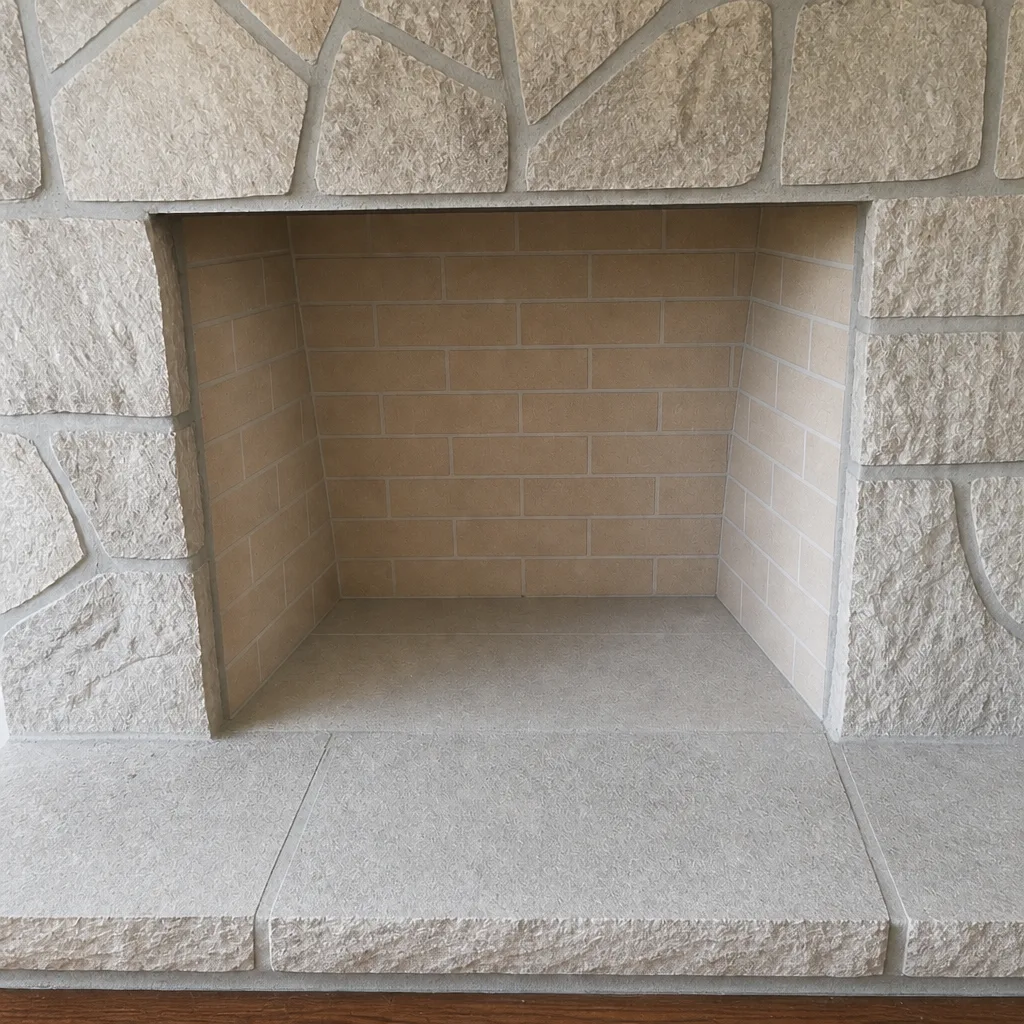
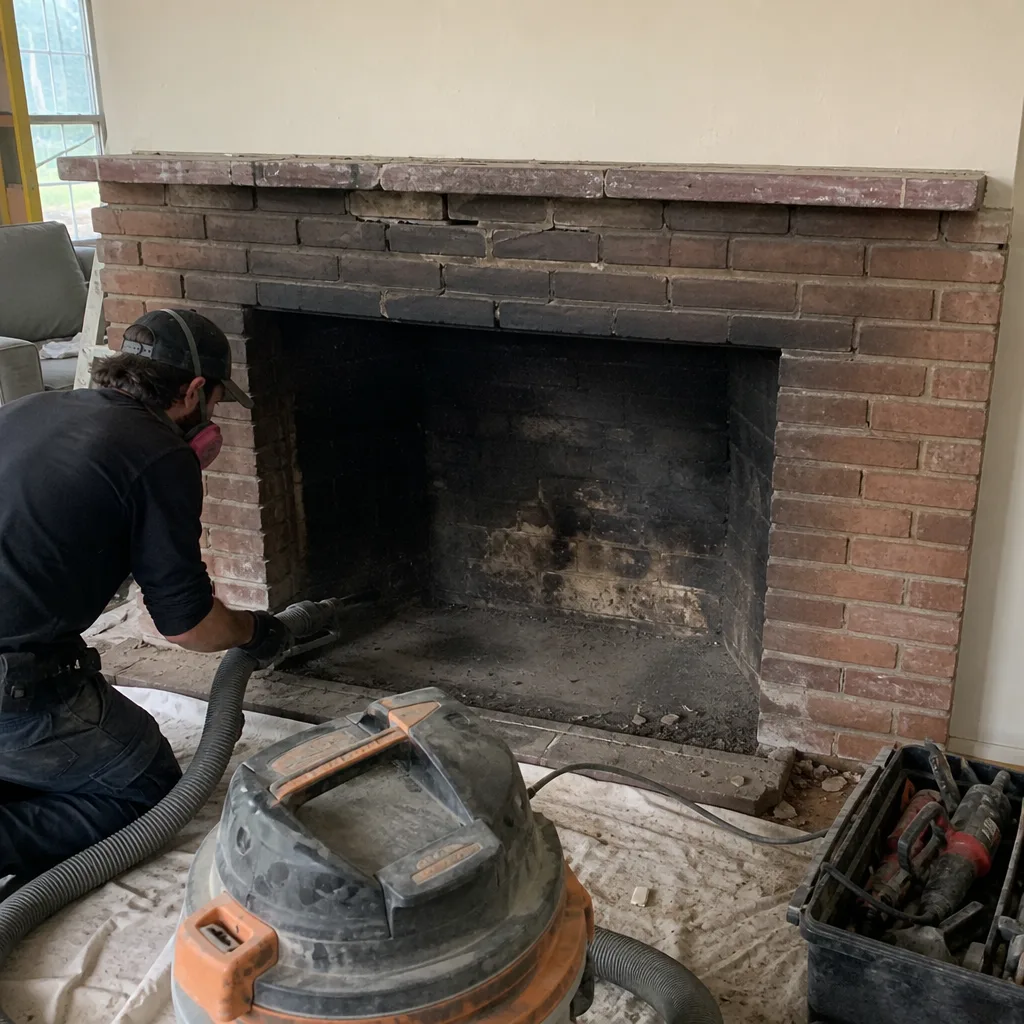
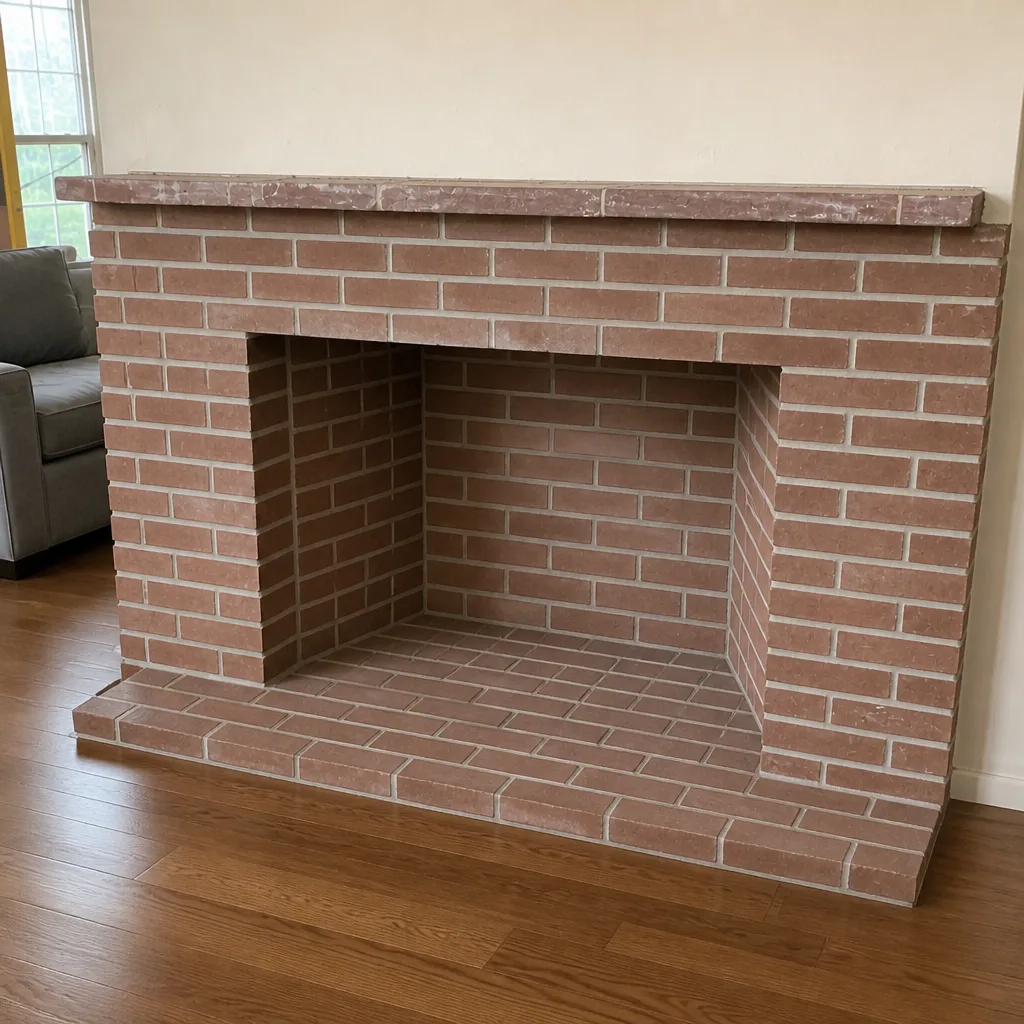
See the difference
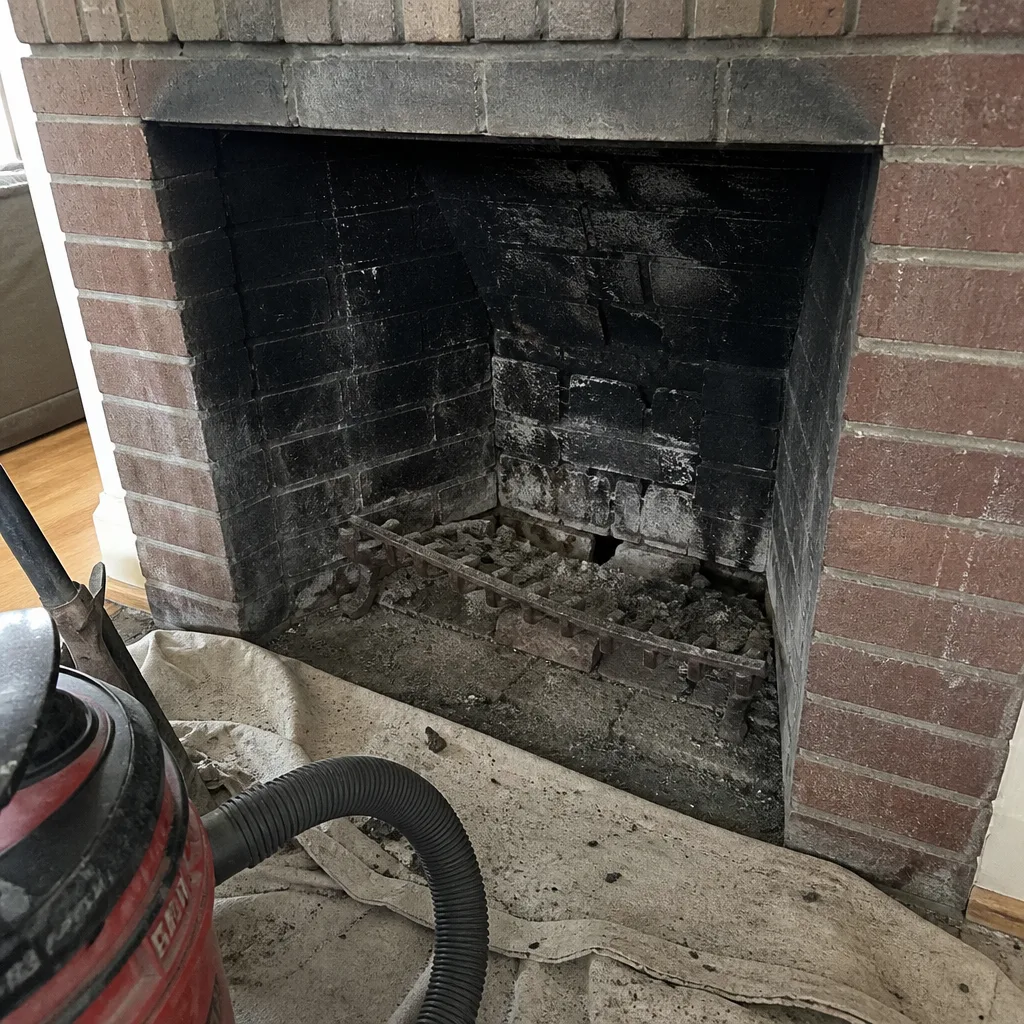 Before
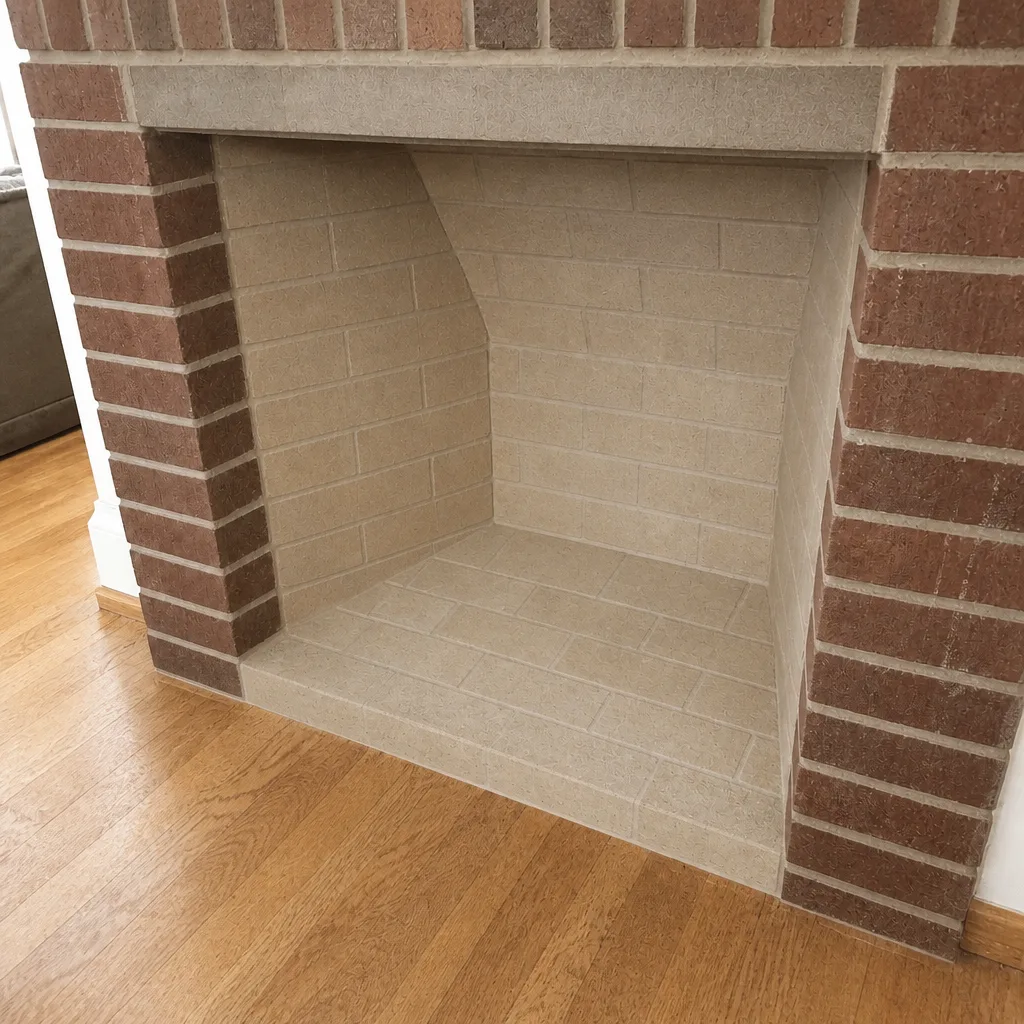 After
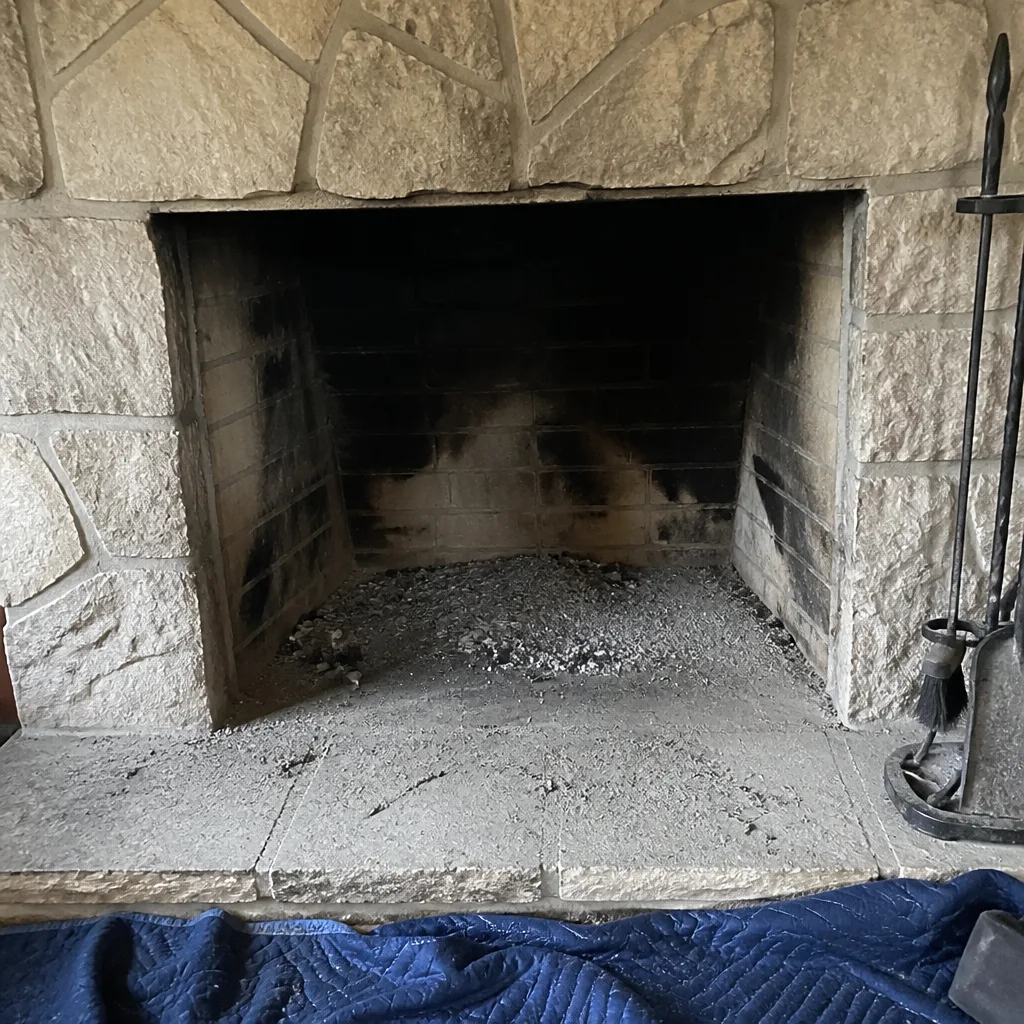 Before
 After
 Before
 After
When to Call a Professional
The time to call a chimney professional is not when the warning signs have become alarming. It is when you first notice them. If you smell creosote in warm weather, if smoke is rolling back into the room, if you see new efflorescence or spalling on the chimney exterior, or if your dryer is taking twice as long as it used to, that is your signal. You do not need to diagnose it yourself. You need someone who can look at the whole system and tell you what is happening. Chimney Sweep Silver Lake offers free estimates in Silver Lake. Call (866) 538-0809. We answer 24/7. Fast dispatch from 7am to 7pm, Sunday through Friday.
Frequently Asked Questions
A standard chimney sweep in Silver Lake typically ranges from $180 to $340, depending on the level of creosote buildup and the type of flue. The estimate is free, and the written estimate sets the final price before any work begins. Call (866) 538-0809 for an exact quote. We answer 24/7.
It depends on what the liner looks like after the creosote is removed. A stage-one or stage-two creosote layer still leaves a functional liner underneath. A liner with cracks, gaps, or active deterioration from moisture and acidic creosote needs to be addressed, and we carry HeatShield resurfacing material and DuraFlex liner systems to do that work without unnecessary demolition. We will never recommend a liner replacement without showing you the camera footage that justifies it.
The rule of thumb is once per year for a wood-burning fireplace that sees regular seasonal use. Gas fireplaces should be inspected annually, even though they do not produce creosote. If you burn more than three cords of wood per season, or if you are seeing any of the warning signs in this guide, you may need a mid-season sweep as well.
Creosote builds past the point of routine removal, the flue narrows, draft weakens, and smoke begins to enter the room. Moisture interacts with the creosote and the masonry, and you end up with a much larger restoration than a simple cleaning. The worst case is a chimney fire. The best case is that you pay more later for a harder job. Call (866) 538-0809 before that point. Estimates are free.
You can buy chimney sweeping brushes at hardware stores, but do not do this. Working on a roof, reaching into a flue with rotating equipment, and assessing whether the flue is safe to use afterward requires training and experience. It also requires a camera inspection to know whether the cleaning actually worked. The risk of doing a partial job and then lighting a fire on top of creosote you did not remove is real.
It is the creosote absorbing humidity from the air and releasing its odor into the room. This is a common complaint in Silver Lake, especially during humid spells. It is one of the most reliable indicators that the flue is overdue for a cleaning, and it is worth acting on rather than masking with air fresheners.
The Bottom Line
Your chimney gives you warnings long before it becomes dangerous. The smell in August, the smoke that curls into the room, the white staining on the brick, the dryer that runs longer than it used to. None of these require panic. All of them require attention. Learn to read them, and act on them in the off-season when the work is simpler and the schedule is open. A clean flue is a safe flue, and the difference between a routine sweep and a major repair is usually just a matter of timing.
Written by the team at Chimney Sweep Silver Lake, serving Silver Lake since 2013.