
Last updated November 4, 2026
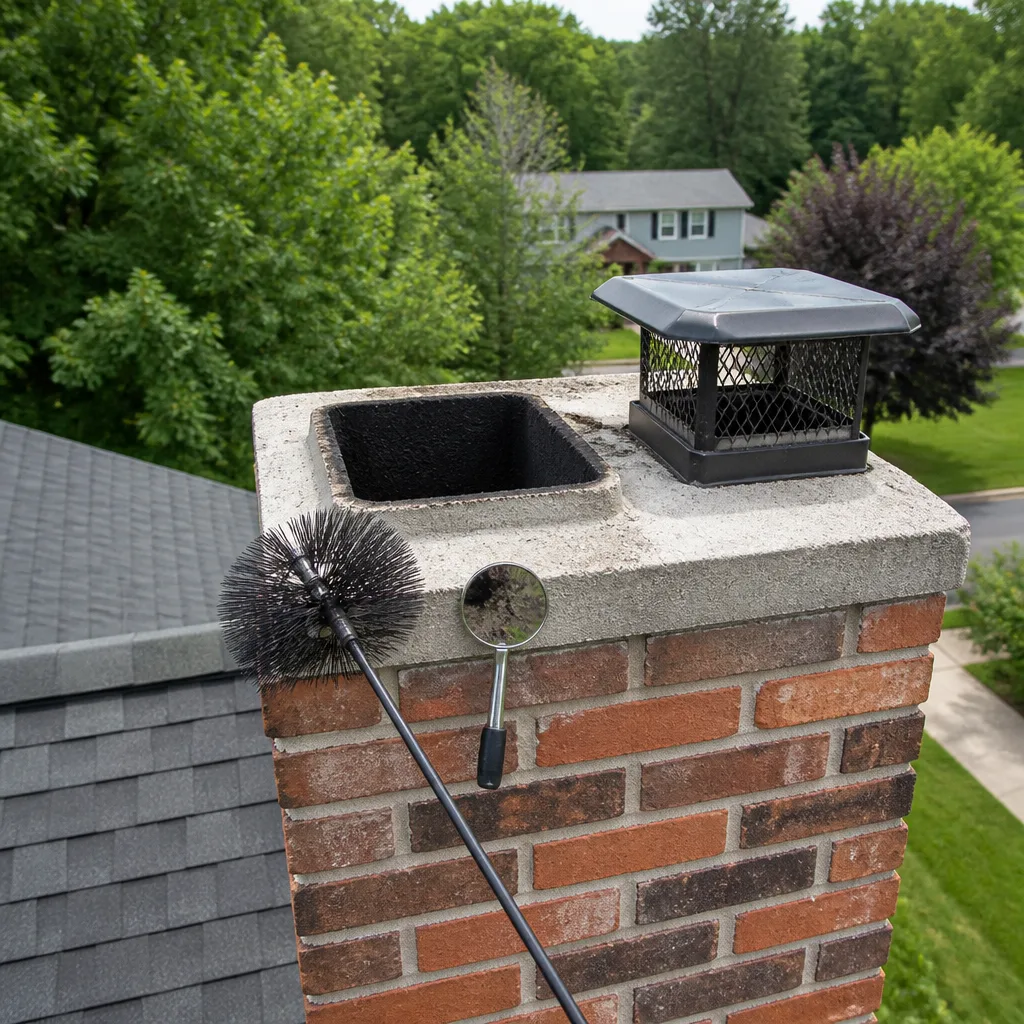 Sweep & inspection
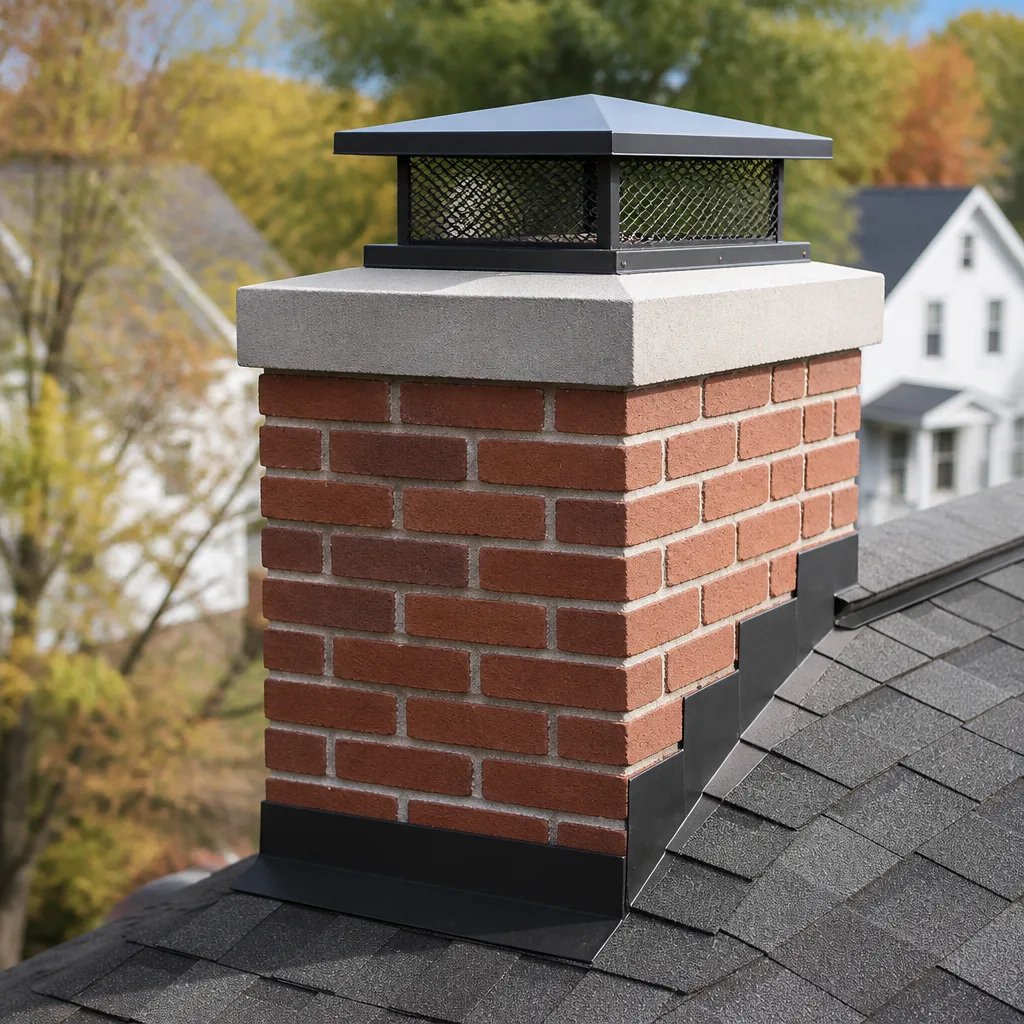 Caps & crowns
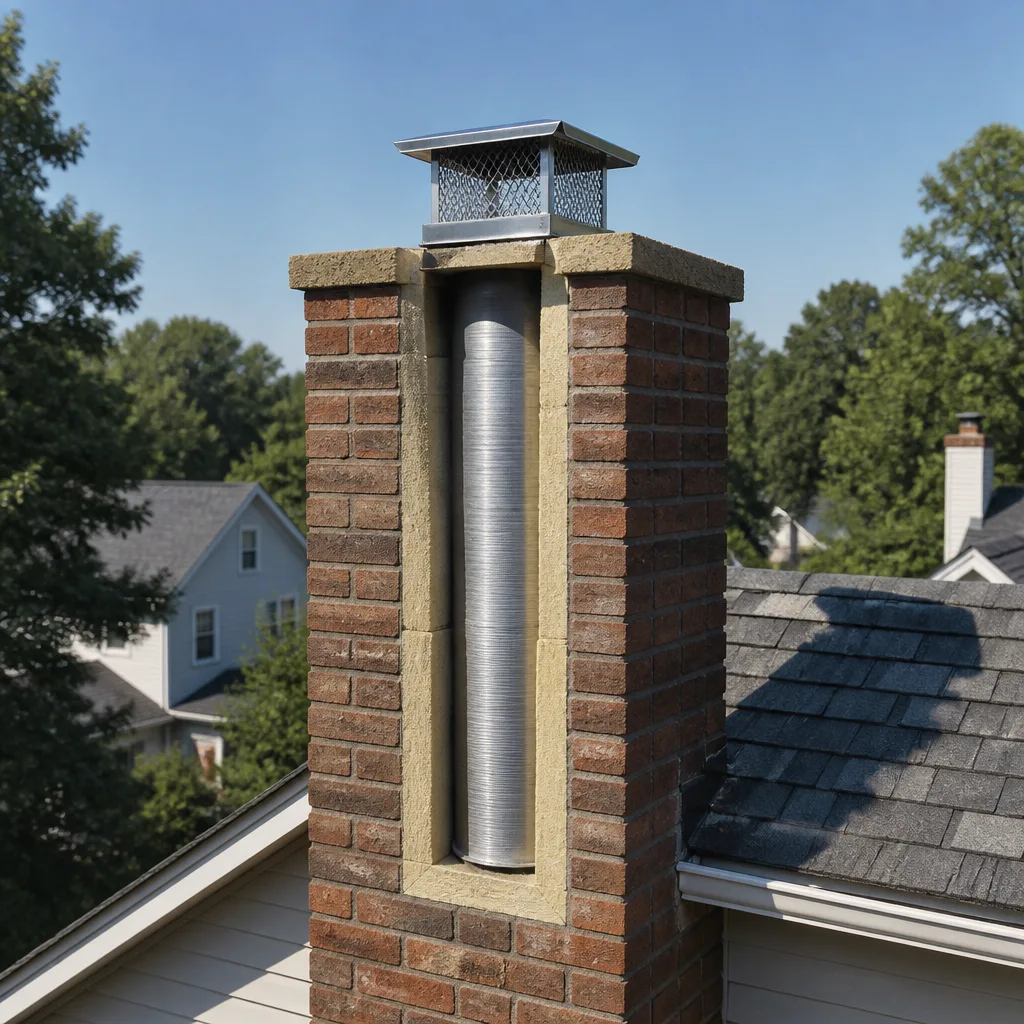 Flue relining
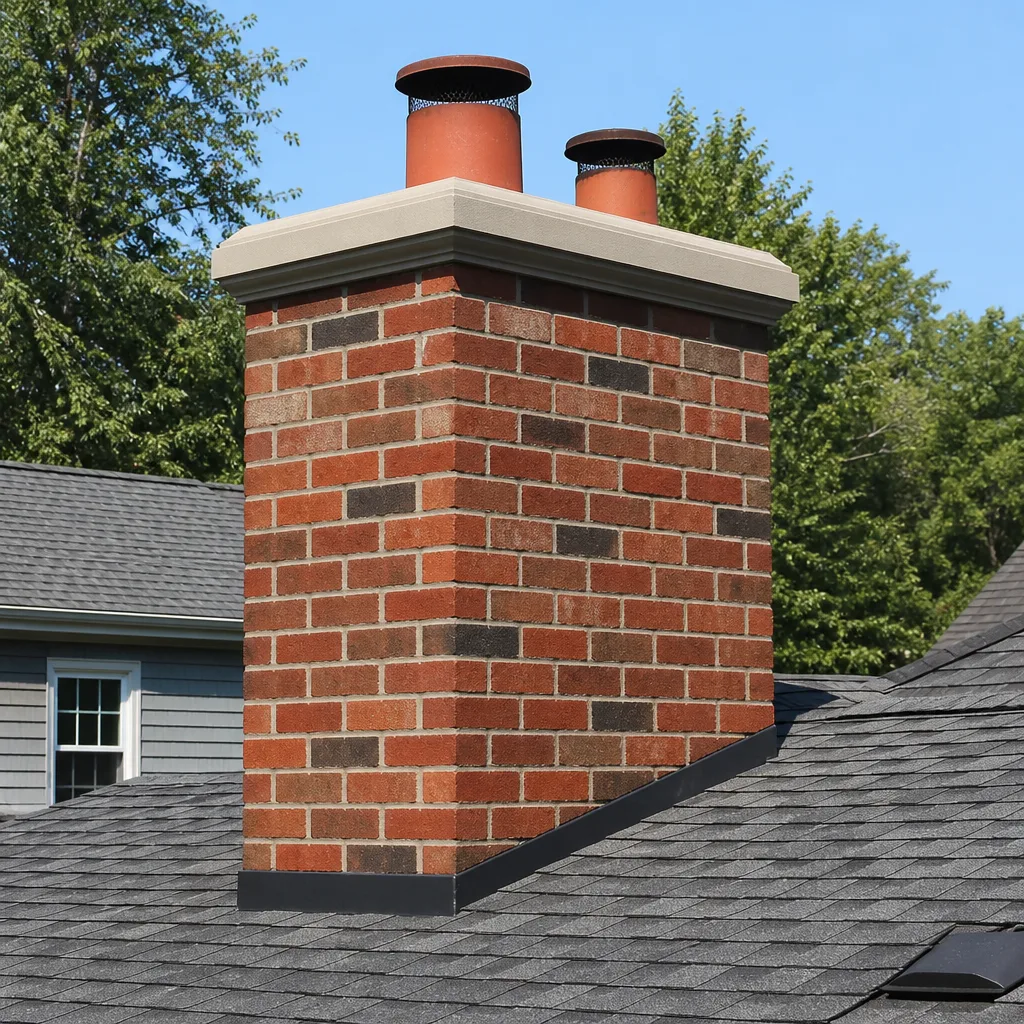 Masonry repair
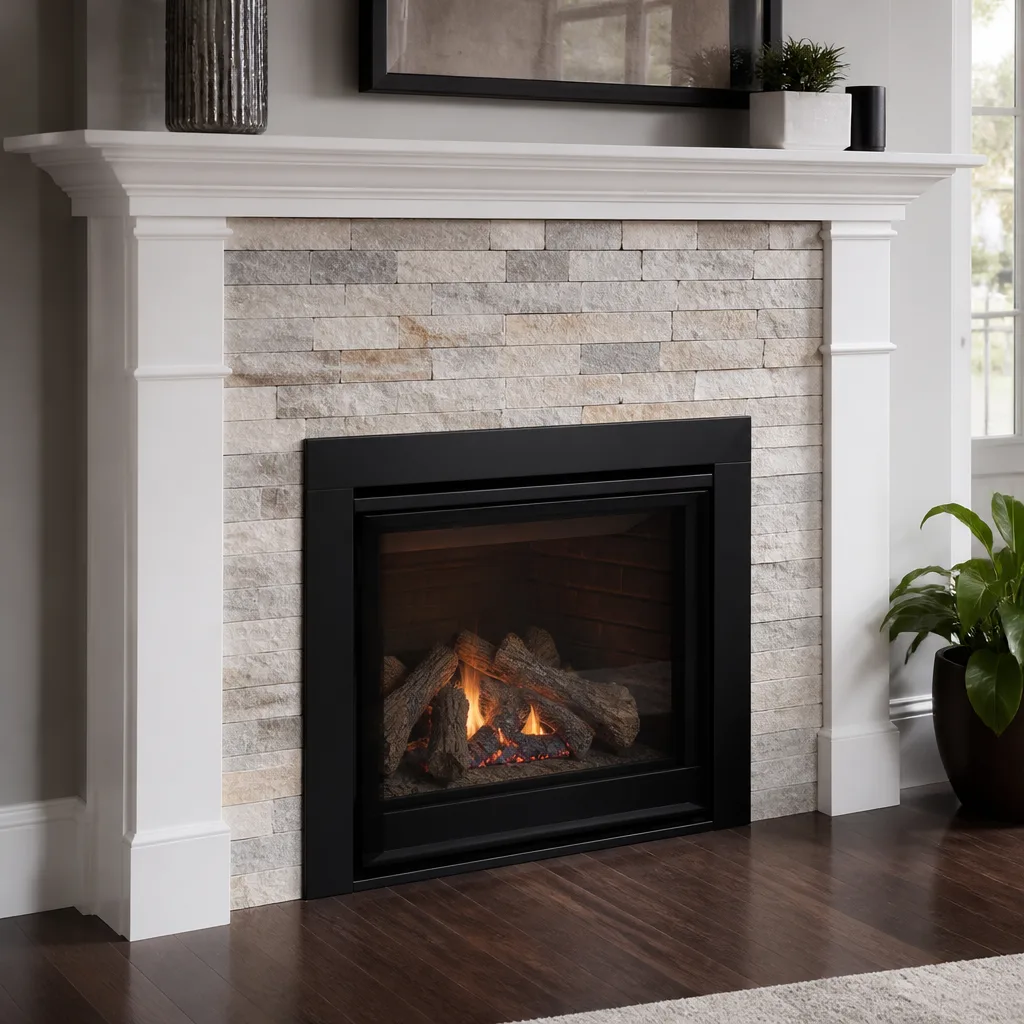 Gas fireplace service
Level 1 sweep and inspection to the NFPA 211 annual standard - flue, crown, cap, and flashing checked and photographed
Chimney sweep logs do not sweep chimneys. They loosen some creosote - which then falls where a brush and vacuum still have to collect it.
Chimney Cleaning Permits, Codes & Inspections in Silver Lake, CA: What You Need to Know
The chimney sweeping appointment you booked for $200 can turn into a $6,000 repair conversation faster than you’d expect. That’s not because the sweep is upselling you. It’s because Silver Lake homes, many built before 1950, hide flue damage behind decades of soot and creosote. The cleaning itself won’t trigger a permit. The liner replacement, smoke chamber repair, or crown rebuild it uncovers frequently does. And if that work is done without a permit and the house later has a chimney fire, your insurance carrier has a documented reason to complicate the claim. This guide covers what actually requires a permit in Silver Lake, which codes apply, what documentation you should keep, and how unpermitted work surfaces during escrow.
Quick Answer
Routine chimney cleaning and sweeping requires no permit in Silver Lake or anywhere in Los Angeles. Permit requirements kick in when the work moves from maintenance into repair or modification: liner replacement, smoke chamber parging, flue resurfacing, or any structural change to the chimney system. Most of those permits go through LADBS, and the documentation they generate is exactly what a buyer’s inspector and an insurance adjuster will ask for later.
Styles & brands we work with
- Sweep & inspection
- Caps & crowns
- Flue relining
- Masonry repair
- Gas fireplace service
Table of Contents
- The Line Between Maintenance and Permitted Work
- What LADBS Actually Requires for Chimney Work
- How Title 24 and Chapter 10 of the CBC Apply
- Documentation Every Silver Lake Homeowner Should Keep
- What a Level 2 Inspection Actually Means Under NFPA 211
- How Unpermitted Chimney Work Surfaces During Escrow
- Common Mistakes to Avoid
- When to Call a Professional
- Frequently Asked Questions
The Line Between Maintenance and Permitted Work
Most homeowners we talk to in Silver Lake assume that anything involving a chimney requires a permit. That’s not accurate. The California Building Code and the Los Angeles Department of Building and Safety draw a clear line between maintenance and modification, and knowing where that line sits saves you time and money on both sides.
What’s considered maintenance (no permit required):
- Routine chimney sweeping and creosote removal
- Chimney cap replacement when the flue dimensions are unchanged
- Minor crown sealing with an elastomeric coating, as long as the crown structure isn’t being rebuilt
- Damper replacement when the damper fits the existing throat opening
- Dryer vent cleaning and basic vent connector replacement
What requires a permit in Silver Lake:
- Chimney liner replacement or relining, including DuraFlex stainless steel liner systems
- Smoke chamber parging or reconstruction
- HeatShield resurfacing when the flue requires structural repair rather than just coating
- Crown replacement or full crown rebuilding
- Firebox repair that involves removing and rebuilding masonry units
- Any change to the flue size, height, or termination type
Here’s the nuance that trips people up: HeatShield resurfacing sits in a gray area. When applied as a ceramic coating over minor flue damage, it’s often classified as maintenance because the liner isn’t being removed. When the underlying flue tiles are cracked enough that the chimney requires structural restoration, LADBS treats it as a repair and wants a permit. A qualified sweep should tell you which side of the line your specific job falls on before any work starts.
Silver Lake’s housing stock makes this distinction especially relevant. Many of the hillside bungalows and Spanish-style homes date from the 1920s through the 1940s, and their original clay tile liners are now 80 to 100 years old. The first time a chimney sweep gets a camera into those flues, the findings often push what started as a cleaning appointment into repair territory.
What LADBS Actually Requires for Chimney Work
The Los Angeles Department of Building and Safety handles chimney permits for Silver Lake, which falls under the city of Los Angeles. LADBS doesn’t have a standalone “chimney permit.” The work gets classified under the general building permit structure, with the scope of work determining which application you file.
Here’s how a typical permitted chimney repair flows in Silver Lake:
- Scope assessment: A contractor or chimney specialist evaluates the damage and determines what needs to be repaired or replaced.
- Permit application: The contractor files with LADBS, describing the work scope, materials, and venting configuration.
- Plan check (when required): Structural changes or liner replacements on multi-story homes sometimes require a plan review, especially in hillside zones with specific fire safety overlays.
- Work and inspection: The contractor completes the repair, then schedules a rough and final inspection as LADBS requires for the permit type.
- Sign-off and documentation: The permit gets finaled, and the property owner receives a record that belongs in the home’s permanent file.
What many Silver Lake homeowners don’t realize is that the permit cost is usually the smallest line item in a chimney repair budget. What matters more is the inspection trail. A finaled permit creates a public record that the work was done to code, and that record is exactly what you’ll need if you sell the house, make an insurance claim, or refinance into a mortgage product with more stringent underwriting.
We’ve worked on Silver Lake chimneys where the homeowner had a liner replaced a decade ago by a handyman, no permit, no camera report, and no brand documentation. When they refinanced, the lender’s appraiser flagged the chimney work as unpermitted and the loan stalled for weeks. That’s what permitting prevents.
How Title 24 and Chapter 10 of the CBC Apply
California’s Title 24 energy code and Chapter 10 of the California Building Code both touch chimney work, and they touch it in ways that matter for the specific brands a contractor uses.
Chapter 10 of the CBC covers chimneys and fireplaces. It governs flue sizing, venting clearances, termination heights, and the materials acceptable for liner systems. When we install a DuraFlex liner in a Silver Lake home, the liner has to meet the UL listing requirements Chapter 10 references, and the installation has to match the manufacturer’s listed instructions. LADBS inspectors check for this specifically. A liner that’s the wrong gauge or sized incorrectly relative to the appliance it’s venting will fail inspection.
Chapter 10 also sets clearance-to-combustibles requirements. In older Silver Lake construction, where framing members sometimes run closer to the masonry chimney than current code allows, this becomes a practical problem. If a chimney has to be relined, the inspector may require documentation that the new liner maintains proper clearance or that the surrounding structure has been brought into compliance.
Title 24 comes into play primarily around airtightness and combustion air. When a fireplace or wood stove is in use, it draws air for combustion from the living space. Title 24’s ventilation requirements intersect with this, especially in homes that have been weatherized or sealed. The practical effect for a chimney owner is that major modifications may trigger a review of the appliance’s combustion air supply, not just the flue itself.
What this means for you: if you’re getting a chimney repaired in Silver Lake, the contractor’s material choices matter. Industry-grade brands like Olympia Chimney and Famco produce components that carry the listings inspectors look for. When the paperwork shows a listed liner, listed termination cap, and listed connector, the inspection goes smoother than when a contractor brings parts with no documentation.
Documentation Every Silver Lake Homeowner Should Keep
Here’s what we tell every Silver Lake homeowner after a repair, and what we suggest you ask for from any contractor who works on your chimney:
- Finaled permit record: If the work required a permit, the final sign-off from LADBS belongs in your file. This is the single most valuable piece of paper for a future sale or insurance claim.
- Camera inspection report: Before-and-after video or photos of the flue interior. This proves what was found and what the repair addressed. We provide this on every job because it’s the evidence that protects the homeowner.
- Material documentation: Brand, model, and listing information for any liner, cap, or component installed. When the liner is DuraFlex and the resurfacing is HeatShield, the paperwork should say so, with the relevant UL listing numbers.
- Written scope of work: A clear statement of what was done, what was left alone, and what should be watched for in the future. This matters in pre-1950 Silver Lake homes where the chimney was originally built to different standards than current code.
- Sweep log: Date, condition notes, and creosote level at each cleaning. Insurance carriers sometimes ask for this after a claim, and a documented maintenance history is a strong answer.
For older Silver Lake homes specifically, the sweep log and camera reports carry extra weight. A 1930s-era chimney with a full documentation history tells an appraiser and an insurance underwriter that the system has been maintained and inspected by a specialist, not ignored for decades. That documentation is the difference between a footnote and a red flag on a property report.
What a Level 2 Inspection Actually Means Under NFPA 211
The National Fire Protection Association’s Standard 211 for chimneys and fireplaces defines three levels of inspection. A Level 2 inspection is the standard for real estate transactions, and it’s the one that gets discussed most in Silver Lake, where the housing market moves fast and buyers often waive contingencies to win a bid.
A Level 2 inspection includes everything in a Level 1 (a visual check of accessible portions of the chimney) plus:
- Inspection of accessible attics, crawl spaces, and basements for clearance violations or hidden damage
- Interior flue examination via video scanning when the flue is accessible
- Evaluation of the chimney after a seismic event, weather event, or any change to the system
- Assessment for proper clearances and construction
The video scan is the part that matters most in Silver Lake. Many of the chimneys in the area’s older hillside homes have flue tiles that are cracked, or mortar joints that have deteriorated out of sight. A Level 1 inspection, which is what a routine sweep includes, won’t find those. A Level 2 will. And when the buyer’s inspector finds them, the seller either repairs the chimney or negotiates a credit.
Here’s what “passing” a Level 2 inspection actually means: it doesn’t mean the chimney is perfect. It means the inspector found no conditions that make the chimney unsafe to use under current standards. That’s a meaningful distinction. A chimney can pass a Level 2 inspection and still have flue tiles with minor cracking that will need to be watched. What it can’t have is a cracked liner that presents a fire risk, clearance violations, or structural instability.
If you’re buying or selling in Silver Lake, insist on a Level 2 inspection by a qualified sweep who provides camera documentation. A chimney that “looks fine” from the rooftop is not a chimney that has been evaluated under NFPA 211.
How Unpermitted Chimney Work Surfaces During Escrow
The most expensive chimney discovery is the one made by someone else’s inspector. Here’s how it typically unfolds in Silver Lake:
A homeowner sells their 1938 hillside bungalow. The buyer’s home inspector does a standard visual check and notes that the chimney liner appears to have been recently replaced. The inspector asks for the permit. There isn’t one. Now the lender’s underwriter has a problem: the seller is representing the property as being in good condition, but there’s a visible system modification with no public record of compliance.
What happens next depends on the lender and the deal structure, but the pattern in the Silver Lake market is consistent:
- The buyer requests documentation that doesn’t exist.
- The seller scrambles to have the work retroactively evaluated.
- If a current inspection finds deficiencies, the seller either repairs them at closing or concedes a credit.
- If the unpermitted work is significant enough, the deal collapses and the seller goes back to market with a disclosure obligation.
Remediating unpermitted chimney work during escrow almost always costs more than doing it with a permit in the first place. You’re paying for the repair, plus the inspection, plus the time pressure of a closing date, plus whatever credit the buyer negotiates for their uncertainty. In Silver Lake, where the median home price makes a $7,000 chimney credit feel like a rounding error next to the sale price, sellers sometimes just absorb it. That doesn’t make it cheap. That makes it a $7,000 lesson.
The Silver Lake market is competitive enough that sellers who’ve kept their chimney documentation in order hold a real advantage. A finaled permit and a camera report turn a potential objection into a non-issue.
Common Mistakes to Avoid
- Assuming all chimney work is permit-exempt. Cleaning is. Repairs aren’t, and the distinction matters. A contractor who tells you a liner replacement doesn’t need a permit is putting your insurance claim at risk.
- Hiring a handyman for structural chimney repairs. The damage we find in Silver Lake chimneys often requires materials like DuraFlex liners or Gelco and Famco components, installed by someone who understands venting clearances. A handyman who “does chimneys too” is usually a liability you’ll pay for later.
- Skipping the camera inspection. Without a documented before-and-after record, you have no evidence of what was repaired and what was left alone. That evidence is exactly what protects you in escrow or after an incident.
- Treating a chimney sweep as nothing more than a cleaning. A proper sweep includes a Level 1 inspection, and what it finds can prevent a fire or carbon monoxide problem. Treat the appointment as an inspection, not a chore to schedule once a decade.
- Ignoring the dryer vent while focusing on the fireplace. Lint-clogged dryer vents cause house fires too. The same dryer vent cleaning that clears the airflow also removes the fuel load that makes those fires possible.
- Failing to keep sweep records. Five years from now, when you refinance or sell, the dated sweep log and inspection notes are the difference between a footnote and a negotiation.
- Buying a Silver Lake home without a Level 2 chimney inspection. In a market where buyers waive contingencies, this one gets skipped constantly. It’s a few hundred dollars to avoid inheriting a chimney problem the seller didn’t know about or didn’t disclose.
When to Call a Professional
Some chimney work is legitimate DIY territory. Cleaning the ash from a firebox is. Replacing the batteries in a carbon monoxide detector is. Anything that involves the flue liner, the smoke chamber, the crown, or the masonry structure is not. The risk isn’t just doing a bad job. It’s doing a bad job in a way you can’t see, inside a system that carries fire and carbon monoxide through the middle of your house.
Call a chimney specialist if you see flaking masonry on the chimney exterior, if you smell smoke when the fireplace isn’t in use, if the damper doesn’t seal properly, or if a camera inspection has never been done on your flue. Call if your dryer vent hasn’t been cleaned in over a year. Call if you’re buying or selling and need a Level 2 inspection that will hold up in escrow. Chimney Sweep Silver Lake offers free estimates in Silver Lake. Call (866) 538-0809. We answer 24/7. Fast dispatch from 7am to 7pm, Sunday through Friday.
Frequently Asked Questions
No. Routine chimney sweeping, creosote removal, and standard maintenance are permit-exempt throughout Los Angeles. Permits come into play only when the work moves into repair or modification territory, like liner replacement, smoke chamber reconstruction, or crown rebuilding.
A standard chimney sweep in Silver Lake typically runs between $180 and $300, with larger fireplaces or heavier creosote buildup pushing toward the higher end. If the sweep uncovers damage requiring repair, the estimate changes, and that’s when you’ll want a written scope of work. Call (866) 538-0809 for an exact quote, estimates are free.
Nothing immediately, which is why it happens so often. The problem surfaces later: during a sale, when a lender or buyer’s inspector asks for documentation, or after a fire, when an insurance adjuster reviews the property’s repair history. Unpermitted structural work gives the insurer a legitimate reason to reduce or deny a claim.
It depends on the condition of the underlying flue. When HeatShield is applied as a coating over minor flue damage without removing the existing liner, it often falls into the maintenance category. When the flue tiles are cracked enough that the chimney requires structural restoration, LADBS classifies it as a repair and a permit is required. A qualified sweep should make the determination before work starts.
The National Fire Protection Association recommends an annual inspection and sweeping as needed. For Silver Lake homeowners who use a wood-burning fireplace regularly during the cooler months, an annual sweep is the right cadence. Gas fireplaces still benefit from an annual inspection, even though they produce less creosote.
Creosote builds up on the flue walls. Creosote is flammable, and in sufficient thickness, it becomes the fuel for a chimney fire that can crack the liner and spread into the home’s framing. Skipping cleaning also means skipping the inspection that comes with it, so cracks, blockages, and water damage go unnoticed until something fails. Call (866) 538-0809 to schedule a sweep and see the condition of your flue with your own eyes.
The Bottom Line
Chimney cleaning doesn’t require a permit in Silver Lake. The repair work it uncovers sometimes does, and that’s the distinction every homeowner should understand. Keep your documentation. Get the camera report. Know whether your HeatShield job or liner replacement needs LADBS sign-off before the work starts. If you’re buying or selling, insist on a Level 2 inspection under NFPA 211. And if you’re not sure where your chimney stands, call a specialist who works with Chimney Sweep Silver Lake. Call (866) 538-0809. We answer 24/7. Fast dispatch from 7am to 7pm, Sunday through Friday.
Written by the team at Chimney Sweep Silver Lake, serving Silver Lake since 2013.
See the difference
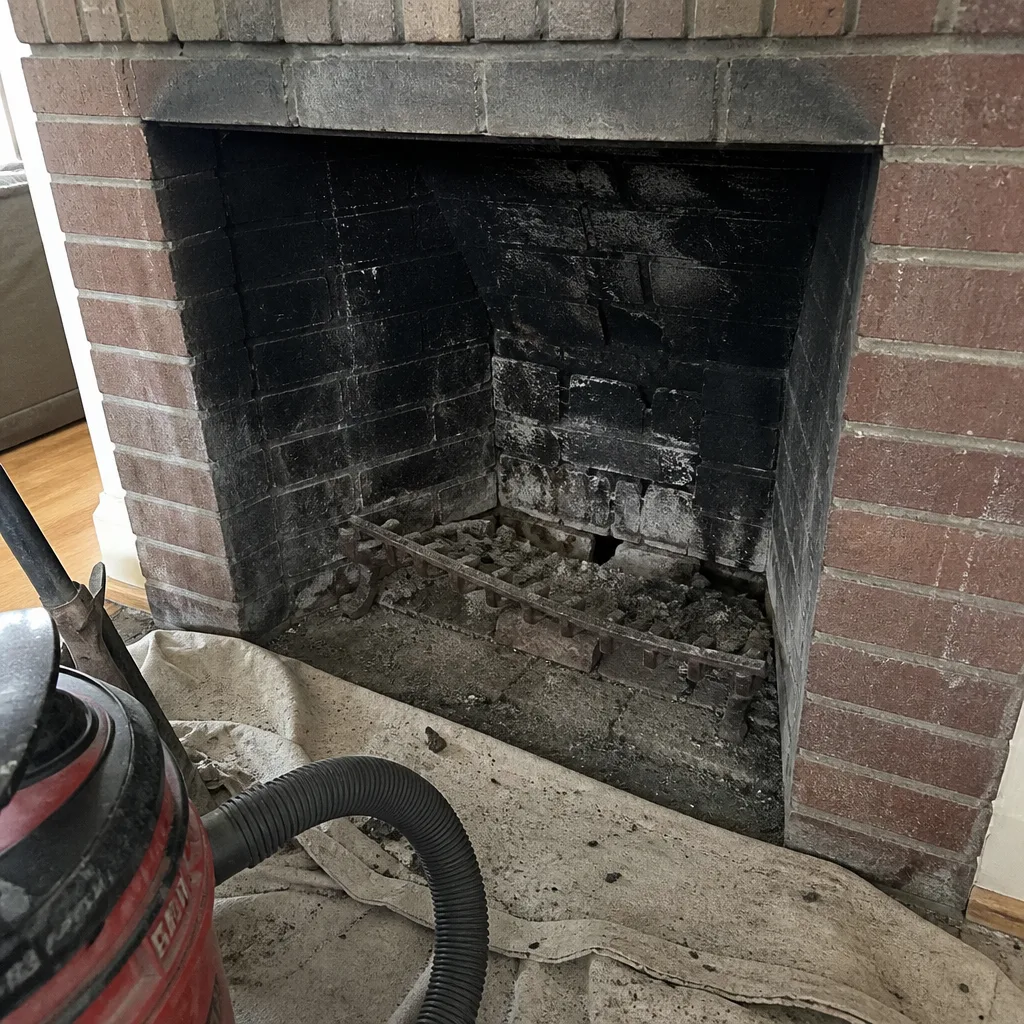 Before
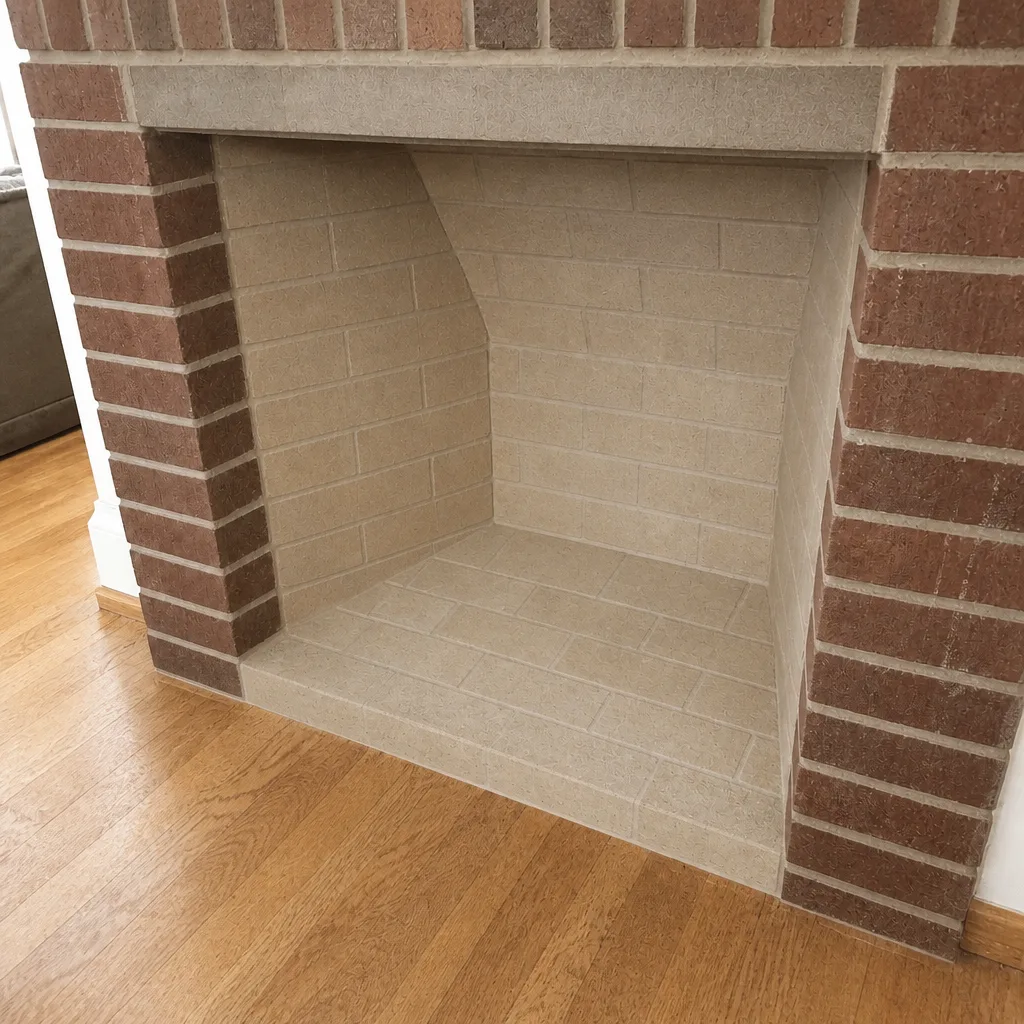 After
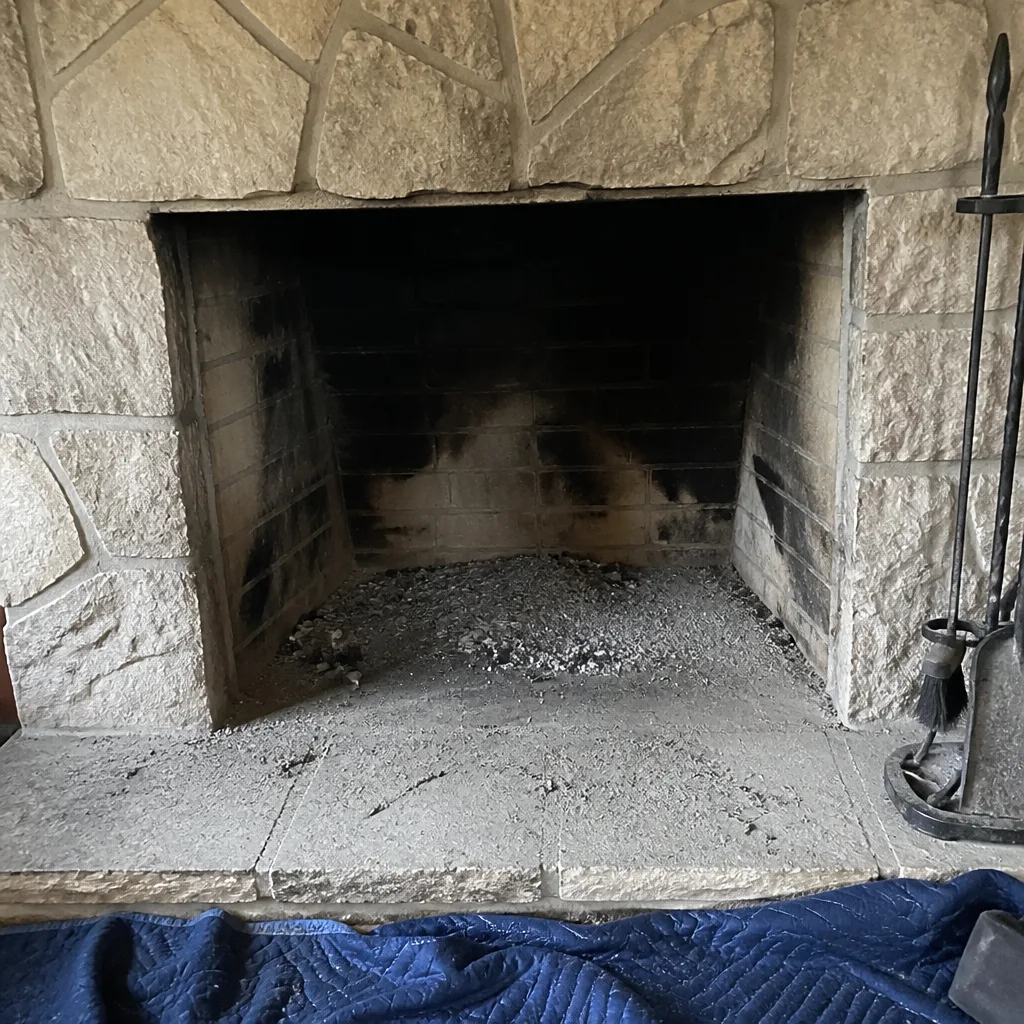 Before
 After
 Before
 After